
Why Start a Small Herb Garden
Growing a small herb garden is one of the easiest ways to add fresh flavor to meals and reduce grocery costs. Herbs require little space and can thrive in containers, windowsills, or small balconies.
This guide gives practical, step-by-step instructions to start and maintain a productive small herb garden at home.
Essential Steps to Start a Small Herb Garden
Begin with planning: choose location, select a few easy herbs, and pick the right containers. Planning reduces common mistakes and helps you harvest herbs sooner.
Follow these core steps to get started and keep plants healthy through the growing season.
Choosing Location for a Small Herb Garden
Sunlight is the main consideration. Most culinary herbs need 5 to 6 hours of direct sunlight each day.
Indoors, pick a south- or west-facing window. Outdoors, use a balcony ledge or patio where pots get morning sun and some afternoon light.
Selecting Herbs for a Small Herb Garden
Start with easy, forgiving herbs that suit your cooking habits. Good beginner choices are basil, parsley, mint, chives, and rosemary.
- Basil: Fast-growing and ideal for pots; harvest leaves frequently.
- Mint: Vigorous spreader; keep in its own pot to avoid crowding.
- Chives: Perennial and compact; ready to snip repeatedly.
- Rosemary: Woody and drought-tolerant; prefers full sun.
Containers and Soil for a Small Herb Garden
Choose containers with drainage holes and use a light potting mix designed for herbs or vegetables. Avoid heavy garden soil in containers; it compacts and drains poorly.
Container size affects growth. Use at least 6 to 8-inch pots for single herbs and 10 to 12-inch pots for mixed plantings.
Planting and Spacing in a Small Herb Garden
Plant seedlings at the same depth as they were in their nursery pots. Firm the soil gently and water to settle roots.
Allow enough space between plants for air circulation. Crowding can increase disease risk and reduce growth.
Watering and Feeding a Small Herb Garden
Water when the top inch of potting mix feels dry. Containers dry faster than ground soil, so check moisture two to three times per week in warm weather.
Fertilize lightly every 4 to 6 weeks with a balanced, water-soluble fertilizer. Overfertilizing makes herbs grow lush leaves but reduces flavor intensity.
Pest and Disease Management for a Small Herb Garden
Inspect plants weekly for pests like aphids or spider mites. Use a strong spray of water or insecticidal soap for small infestations.
Good airflow and proper watering are the best defenses against fungal diseases. Remove yellowing or diseased leaves promptly.
Harvesting and Using Herbs From a Small Garden
Harvest herbs regularly to encourage new growth. Pinch or snip stems above a leaf node to promote branching.
Use harvested herbs fresh, or dry them in small bunches for later use. Freezing chopped herbs in oil or water cubes preserves flavor well.
Seasonal Care and Overwintering
Many herbs are annuals and will die back after frost; others are perennials that need protection. Bring potted herbs indoors before the first hard freeze.
Trim perennials lightly in late fall and reduce watering during dormancy to prevent root rot.
Practical Tips for Success With a Small Herb Garden
- Rotate pots occasionally so all sides receive sun evenly.
- Label containers to avoid confusion between similar-looking seedlings.
- Use companion planting: parsley pairs well with chives, while mint should be isolated to a single pot.
- Start seeds indoors 6 to 8 weeks before the last frost for an earlier harvest.
Common Mistakes to Avoid in a Small Herb Garden
Overwatering is the most common error for container herbs. Letting the topsoil dry slightly prevents root problems.
Another mistake is overcrowding. Give each herb enough space for roots and leaves to develop fully.
Case Study: Balcony Success With a Small Herb Garden
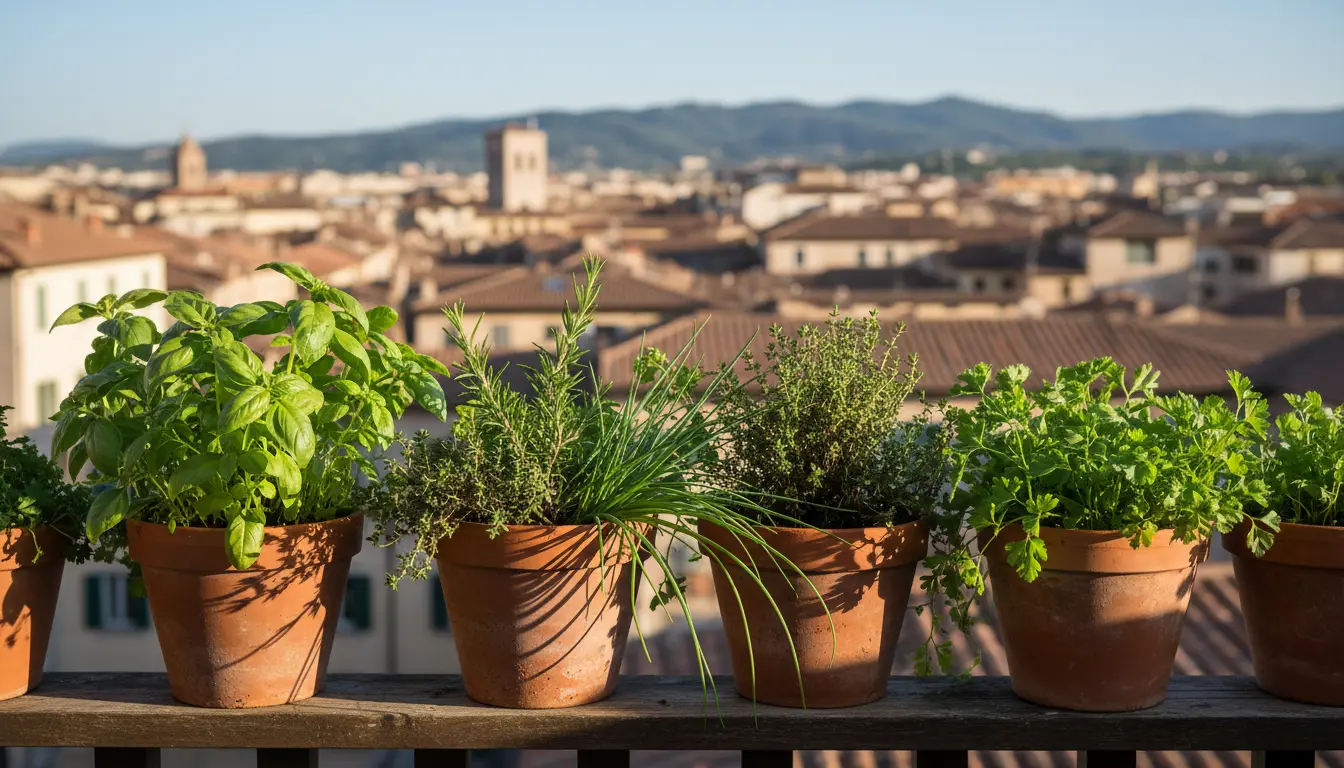
Maria, an apartment cook, started a small herb garden on a sunny balcony using five 8-inch pots. She chose basil, parsley, chives, thyme, and mint.
By planting one herb per pot and following a simple watering schedule, she harvested fresh herbs weekly and reduced store-bought herb purchases by half in three months.
Her key changes were using lightweight potting mix, moving mint to its own pot, and trimming basil regularly to avoid flowering too soon.
Quick Start Checklist for a Small Herb Garden
- Pick a sunny spot with 5–6 hours of sun daily.
- Choose 3–5 easy herbs based on your cooking needs.
- Use containers with drainage and a quality potting mix.
- Water when the top inch is dry and fertilize lightly.
- Harvest regularly and monitor for pests.
Final Thoughts on Growing a Small Herb Garden
A small herb garden is an accessible project that delivers quick rewards for new and busy gardeners. With minimal space and routine care, you can enjoy fresher flavors and a greener home.
Start small, observe how your plants respond, and expand your garden as confidence grows.