
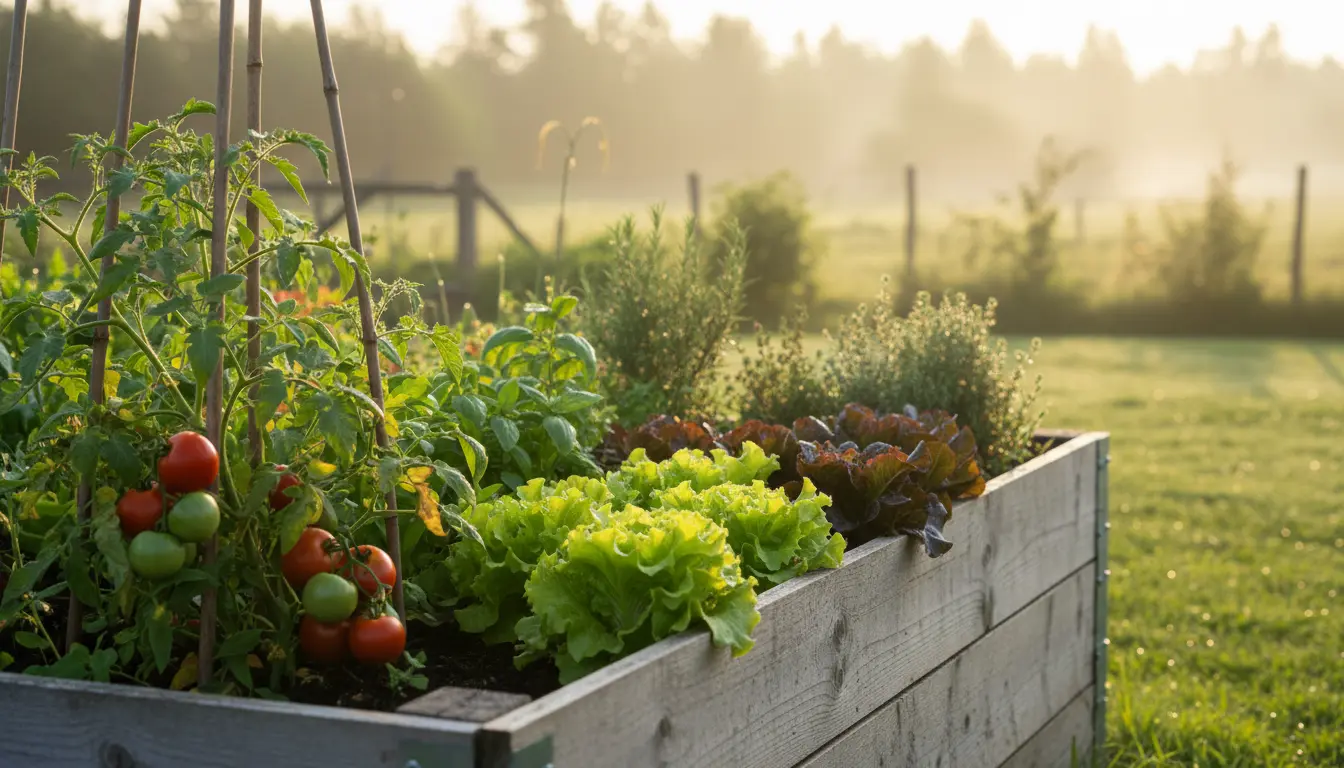
Plan Your Small Vegetable Garden
Decide where you will place your garden before buying supplies. Look for a spot that gets at least 6 hours of sunlight a day for most vegetables.
Measure the available space and choose a layout that fits your lifestyle. Small gardens work well in containers, raised beds, or a compact in-ground area.
Choose the Right Size and Layout
Smaller spaces benefit from rectangular raised beds or a series of containers. A 4×8 foot raised bed is a common starter size that is easy to manage.
Consider access paths so you can reach plants without stepping on soil. Good access reduces compaction and makes maintenance easier.
Prepare Soil for a Small Vegetable Garden
Soil quality determines how healthy your plants will be. In a small garden, invest time in building rich, fertile soil with good drainage.
Use a mix of topsoil, compost, and a light organic amendment to create a productive growing medium.
Soil Options and Mixes
- Raised bed mix: 60% topsoil, 30% compost, 10% coarse sand or perlite for drainage.
- Container mix: high-quality potting mix with added compost and slow-release organic fertilizer.
- In-ground improvement: add 2-3 inches of compost and lightly work it into the top 6-8 inches of soil.
Pick Easy Vegetables for a Small Garden
Select crops that match your climate and the sun available. Start with easy-to-grow vegetables to build confidence.
Choose varieties labeled as compact, patio, or bush types for small spaces.
Recommended Starter Crops
- Leafy greens: lettuce, spinach, arugula
- Herbs: basil, parsley, chives
- Compact fruiting plants: cherry tomatoes, bush beans, peppers
- Root crops: radishes, baby carrots
Planting and Timing
Follow the planting dates for your zone and the seed packet or plant tag. Some crops thrive in cool weather while others need warm soil.
Stagger plantings for continuous harvests. For example, sow lettuce every 2-3 weeks to keep fresh leaves through the season.
Seed vs. Transplants
- Start seeds for fast growers and inexpensive crops like lettuce and radishes.
- Use transplants for tomatoes, peppers, and eggplants to get an early, reliable start.
Watering and Fertilizing a Small Vegetable Garden
Consistent water is critical. Small beds and containers dry out faster than large beds, so check moisture daily in hot weather.
Water at the base of plants to reduce leaf disease and deliver moisture to roots efficiently.
Practical Watering Tips
- Use a drip line or soaker hose on a timer for steady moisture.
- Mulch with straw or shredded bark to retain moisture and suppress weeds.
- Feed plants monthly with a balanced organic fertilizer or compost tea.
Keep Pests and Diseases Under Control
Prevent problems with good practices: crop rotation, clean tools, and removing diseased plants promptly.
Use physical barriers like row covers for early-season insect control and netting to protect fruit from birds.
Organic Pest Options
- Handpick slugs and caterpillars in the evening.
- Apply insecticidal soap or neem oil for soft-bodied insects.
- Encourage beneficial insects with flowering companion plants like alyssum and borage.
Raised beds warm faster in spring than in-ground rows, letting you plant earlier and extend your harvest season.
Harvesting and Ongoing Care
Harvest regularly to encourage more production. Pick beans, peas, and leafy greens before they become over-mature to keep plants productive.
Maintain a light feeding schedule and refresh mulch or compost between crops to rebuild nutrients.
Season Extension Techniques
- Use cloches or cold frames to protect young plants from late chills.
- Install a simple hoop house for frost protection in early spring and late fall.
Small Garden Case Study
Case: A renter named Priya used a 4×6 raised bed on a small apartment patio. She planted compact cherry tomatoes, basil, and mixed salad greens.
In her first season she followed a weekly watering schedule, added compost twice, and used a drip line on a timer. She harvested fresh greens within 30 days and tomatoes by mid-summer.
Outcome: Priya reported less food waste, a steady supply of salad greens, and two jars of tomatoes preserved. The setup cost under $250 and returned a steady supply of fresh produce.
Quick Checklist to Start a Small Vegetable Garden
- Choose a sunny location and measure the space.
- Decide on raised beds or containers and prepare soil mix.
- Select easy, compact vegetable varieties for your climate.
- Plan planting dates and stagger sowings.
- Set up watering with drip lines or a routine schedule.
- Mulch, monitor for pests, and feed monthly.
- Harvest regularly and refresh soil each season.
Starting a small vegetable garden is manageable with a bit of planning and basic care. Focus on a simple layout, fertile soil, consistent water, and the right plant choices. These steps will maximize yield in a compact space and make gardening an enjoyable, productive hobby.