
Home Composting Basics
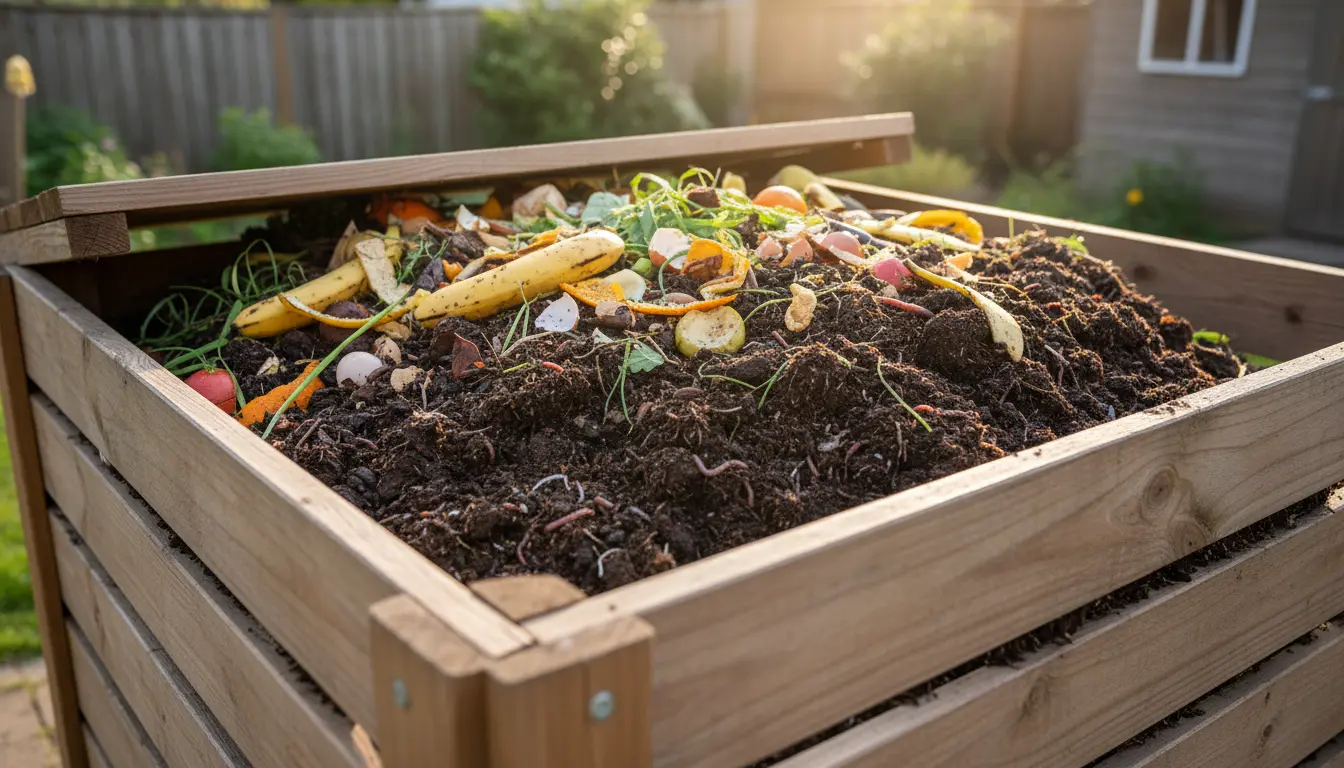
Home composting transforms kitchen scraps and yard waste into nutrient-rich soil. It reduces trash volume and improves garden health.
This guide explains how to start and maintain a compost bin with practical, step-by-step instructions you can use today.
Why Choose Home Composting
Composting lowers household waste and cuts methane emissions from landfills. It also returns valuable nutrients to soil, reducing the need for synthetic fertilizers.
For many households, a small compost bin handles most food scraps and yard waste easily.
Choose a Compost Bin
Selecting the right compost bin is the first practical step in home composting. Your choice depends on space, climate, and how much waste you produce.
Common Compost Bin Types
- Open pile: Simple but may attract pests; good for large yards.
- Tumbler: Enclosed and easy to turn; works well for small yards and fast composting.
- Plastic or wooden bin: Stable and affordable; provides better containment.
What to Compost and What to Avoid
Balancing materials is key to a healthy compost bin. Think in terms of carbon (browns) and nitrogen (greens).
Good Materials (Browns and Greens)
- Greens: Vegetable scraps, fruit peels, coffee grounds, fresh grass clippings.
- Browns: Dry leaves, shredded paper, straw, cardboard.
- Small amounts of garden trimmings and soft plant material.
Materials to Avoid
- Meat, fish, dairy or greasy foods that attract pests.
- Diseased plants, pet waste, and chemically treated wood.
- Large branches and thick wood that decompose very slowly.
Step-by-Step: Start a Compost Bin
Follow these steps to get your compost bin active and productive. Each step keeps the pile balanced and odor-free.
- Step 1 — Location: Place the bin on bare soil in a partially shaded spot for good drainage and microbe activity.
- Step 2 — Base Layer: Start with coarse browns (small twigs or straw) to improve airflow at the bottom.
- Step 3 — Add Materials: Alternate thin layers of greens and browns. Aim for roughly 2:1 browns to greens by volume.
- Step 4 — Moisture: The pile should feel like a wrung-out sponge. Add water if dry; add more browns if too wet.
- Step 5 — Aeration: Turn or mix the pile every 1–2 weeks to add oxygen and speed decomposition.
Maintaining a Compost Bin
Regular maintenance helps produce finished compost in a few months to a year depending on conditions. Monitor three key factors: carbon/nitrogen balance, moisture, and aeration.
Practical Maintenance Tasks
- Turn the pile regularly to prevent compacting and odor issues.
- Add dry browns if the pile smells sour or is overly wet.
- Chop or shred large items so they break down faster.
- Keep a compost pail in the kitchen lined with a compostable bag or a small lid to reduce pests.
Troubleshooting Common Problems
If your compost smells bad, it is likely too wet or lacks air. Add browns and turn the pile. If decomposition is slow, add more greens or increase turning.
Pest issues usually arise from meat or dairy in the pile. Remove these items and secure the bin with a lid or mesh if necessary.
Composting a single household can divert up to 400 pounds of waste per year from landfills, depending on diet and yard work habits.
Small Real-World Example
Case study: A two-person household in a suburban setting started a 50-liter tumbler. They collected kitchen scraps and yard trimmings for 12 months.
After six months of regular turning and a 2:1 browns-to-greens ratio, they produced enough compost to top-dress vegetable beds and potted plants. Their weekly trash volume decreased by about 40%.
Using Finished Compost
Finished compost looks dark and crumbly and smells earthy. Use it as a soil amendment, mulch, or potting mix ingredient.
Incorporate a 1–3 inch layer into garden beds or mix 10–30% compost into potting mixes for improved water retention and nutrient content.
Quick Tips for Success
- Keep a small countertop bin to collect scraps—empty it into the outdoor bin every few days.
- Shred leaves and cardboard to speed decomposition.
- Use a thermometer for large piles: 120°F–160°F indicates active decomposition.
- Be patient—composting is a biological process that benefits from steady input and occasional attention.
Home composting is a simple, effective way to reduce household waste while producing valuable soil amendments. With the right bin, consistent layering, and routine maintenance, anyone can run a successful compost system that benefits the garden and the planet.