
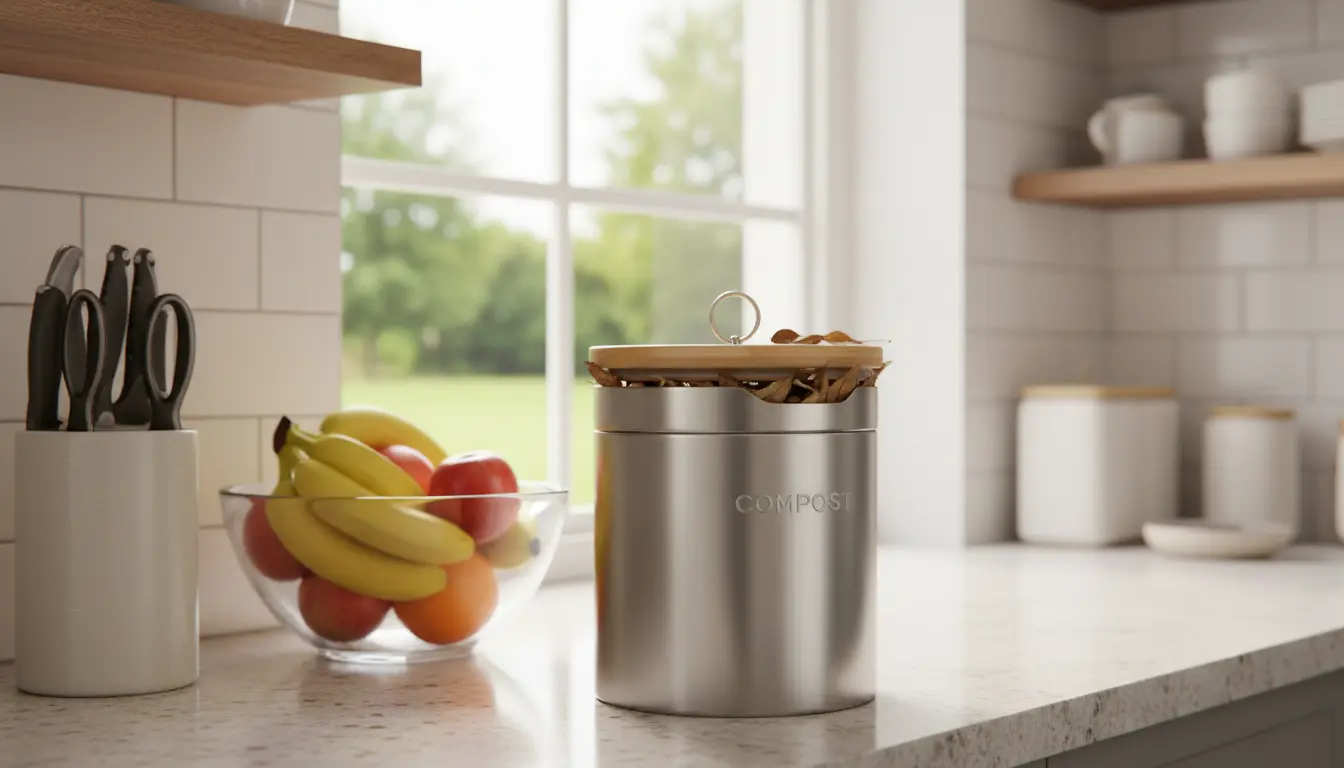
What is Home Composting for Beginners
Home composting is the process of turning organic kitchen and yard waste into nutrient-rich soil. It is a simple, low-cost way to reduce waste and improve garden health.
This guide explains practical steps for beginners so you can start composting with confidence.
Why Choose Home Composting
Composting at home lowers the amount of organic waste sent to landfills and returns valuable nutrients to your soil. It also reduces greenhouse gas emissions compared to landfill disposal.
Beginners benefit from composting because it is accessible and flexible for different living situations, from apartments to houses with yards.
Basic Materials for Home Composting
Successful composting needs a balance of materials, airflow, moisture, and time. Here are the common categories to use:
- Greens: fresh vegetable scraps, coffee grounds, tea bags, grass clippings.
- Browns: dry leaves, shredded paper, cardboard, straw, small wood chips.
- Water: keeps the pile moist but not soggy.
- Air: turning or aeration helps decomposition and prevents odor.
What to Avoid
Avoid meat, dairy, oily foods, diseased plants, and pet waste in a simple home compost pile. These can attract pests or create odors.
Choosing a Method for Home Composting for Beginners
Pick a method that fits your space and time commitment. Popular options include:
- Open pile: Low cost, good for yards with space.
- Compost bin: Tidy and contained, suitable for most backyards.
- Tumbler: Faster breakdown with easier turning.
- Bokashi: Fermentation method for small spaces and indoor use.
For beginners, a bin or tumbler usually balances convenience and results.
Step-by-Step: How to Start Home Composting for Beginners
Follow these steps to establish a functional compost system quickly.
- Choose a spot: pick a shaded, level area with good drainage.
- Set up your container: place a bin or create a small pile on bare soil.
- Layer materials: start with coarse browns for drainage, then alternate greens and browns.
- Maintain moisture: keep the pile like a wrung-out sponge.
- Turn regularly: every 1–2 weeks for faster composting, or less often for slow composting.
- Harvest: when dark and crumbly, compost is ready to use in beds and pots.
Tips for Balance and Speed
Balance greens and browns roughly 1:2 by volume for a stable compost. Shredding or chopping materials speeds decomposition.
Turning the pile increases oxygen and accelerates the process. Use a pitchfork or a tumbler for easy mixing.
Composting can divert up to 30% of household waste from the trash and reduce methane emissions from landfills.
Troubleshooting Common Problems
New composters often face issues like bad smells, pests, or slow breakdown. Each problem has a simple fix.
- Smelly compost: add more browns and turn to add air. Too much wet green material causes odors.
- Pests: avoid adding meat and dairy, bury food scraps, or switch to a closed bin or tumbler.
- Slow decomposition: chop materials smaller, increase greens for nitrogen, or turn more often.
- Dry pile: add water and fresh greens, then cover to retain moisture.
How to Use Finished Compost
Finished compost is versatile and improves soil structure, water retention, and nutrient content. Use it in these ways:
- Top dress garden beds with a 1–2 inch layer.
- Mix into potting soil to enrich containers.
- Work into vegetable beds before planting to boost fertility.
Example Uses
Sprinkle compost around perennials in spring, mix with native soil for new planting holes, or blend with sand for seed starting mixes.
Small Real-World Case Study
Case: A small apartment household used a bokashi bin for six months. They collected all fruit and vegetable scraps and sealed them in the bokashi bucket with bran inoculant.
Result: After six months and a short outdoor soil burial to finish, they produced enough compost to top-dress two balcony planters. Their food waste to landfill dropped by about 40% and their herbs grew noticeably stronger.
Final Checklist for Home Composting for Beginners
Use this checklist to ensure steady progress as you start composting.
- Choose a method that fits space and lifestyle.
- Collect both greens and browns and maintain balance.
- Keep the pile moist and aerated by turning or using a tumbler.
- Monitor for pests and odors and adjust materials accordingly.
- Harvest finished compost and apply to your plants.
Home composting for beginners is achievable with a small investment of time and a bit of routine. Start small, learn from each batch, and adapt the system to fit your home and garden.