
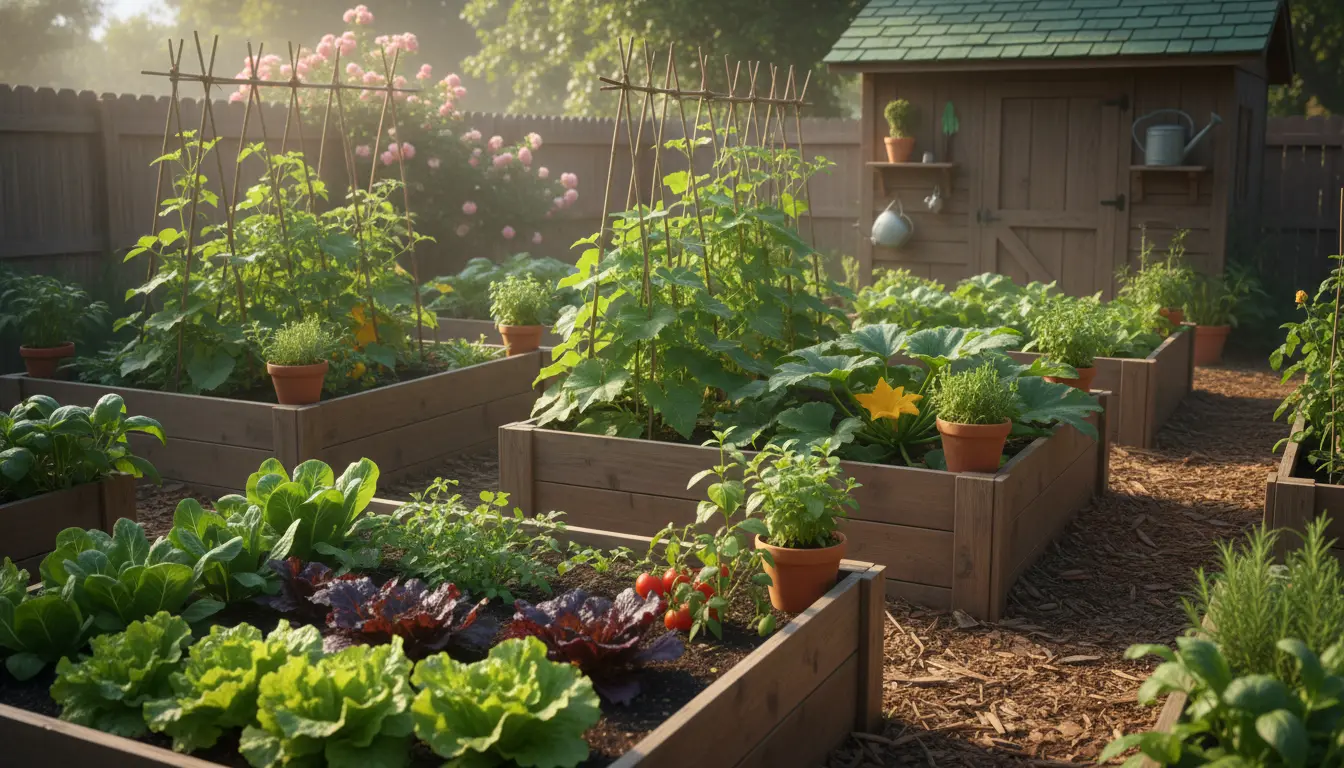
Starting a small vegetable garden is a practical way to grow fresh food, save money, and enjoy outdoor time. This guide walks you through clear steps you can use in a backyard, patio, or balcony space.
How to Start a Small Vegetable Garden: Plan the Space
Good planning prevents wasted effort. Identify where your small vegetable garden will go and how much sun the spot receives.
Choose the location
- Aim for 6+ hours of direct sunlight for most vegetables.
- Ensure easy access to water and a flat, well-drained area.
- Consider proximity to your kitchen to encourage frequent harvesting.
Decide the garden type
Small gardens work well as raised beds, containers, or compact in-ground rows. Choose based on space and budget.
- Raised beds: Good drainage and soil control.
- Containers: Ideal for balconies and patios.
- In-ground: Best when soil is healthy and space allows.
How to Start a Small Vegetable Garden: Prepare Soil and Containers
Healthy soil is the foundation of your small vegetable garden. If using containers, choose a quality potting mix.
Soil basics
For in-ground or raised beds, test your soil for pH and nutrients. Most vegetables prefer a pH of 6.0 to 7.0.
- Amend heavy clay with compost and coarse sand for drainage.
- Add compost annually to supply nutrients and improve texture.
- Avoid freshly treated manure; composted organic matter is best.
Container tips
Use containers with drainage holes and at least 12 inches deep for most vegetables. Larger containers hold moisture better and need less frequent watering.
- Choose lightweight pots if you need mobility.
- Use a premium potting mix with compost and slow-release fertilizer.
How to Start a Small Vegetable Garden: Select Plants and Planting Times
Select vegetables suited to your climate, space, and skill level. Start simple and expand as you learn.
Easy crops for a small vegetable garden
- Leafy greens: lettuce, spinach, arugula.
- Herbs: basil, parsley, cilantro.
- Fast growers: radishes, green onions, bush beans.
- Container-friendly: cherry tomatoes, peppers, dwarf squash.
Timing and succession planting
Check your local frost dates and plant accordingly. Use succession planting to harvest continuously: sow small amounts every 2–3 weeks for greens and radishes.
How to Start a Small Vegetable Garden: Planting and Spacing
Follow seed packet or plant tag spacing to avoid crowding. Proper spacing improves airflow and reduces disease risk.
Planting tips
- Transplant seedlings after hardening off (gradual outdoor exposure).
- Water new transplants thoroughly and keep soil moist until established.
- Use stakes or cages early for vining plants like tomatoes to save space.
How to Start a Small Vegetable Garden: Maintenance and Harvesting
Regular care keeps yields high. Maintenance tasks are simple but should be consistent.
Routine care
- Water deeply once or twice weekly rather than shallow daily watering.
- Mulch with straw or bark to retain moisture and suppress weeds.
- Fertilize based on plant needs; a balanced fertilizer early, higher potassium when fruiting.
- Prune only when necessary to improve air flow or plant shape.
Common problems and solutions
- Pests: handpick, use row covers, or apply insecticidal soap for soft-bodied insects.
- Disease: remove affected leaves and avoid overhead watering.
- Yellowing leaves: check for nutrient deficiency or overwatering.
Real-World Example: A Successful Balcony Plot
Maria had a 6 foot by 3 foot balcony and wanted fresh salad greens and herbs. She used three 18-inch containers and one long trough to create a small vegetable garden.
She planted lettuce, spinach, basil, and a dwarf cherry tomato. With weekly watering, monthly compost top-up, and staggered sowing, she harvested fresh salads all summer and cut grocery bills for greens by half.
This case shows that with thoughtful plant choices and simple care, even limited spaces can produce consistent food.
Final Checklist for Your Small Vegetable Garden
- Choose a sunny spot and the right garden type for your space.
- Prepare or buy quality soil and containers with drainage.
- Select easy, space-efficient crops and follow planting times.
- Water deeply, mulch, and fertilize when needed.
- Monitor pests and diseases and harvest regularly to encourage yield.
Starting a small vegetable garden is achievable with simple planning and consistent care. Begin with a few easy crops, learn from each season, and expand as your confidence grows.