
Working from home productivity depends on more than willpower. Small changes in your environment, schedule, and tools produce steady improvements you can sustain.
Working from Home Productivity: Set Up Your Workspace
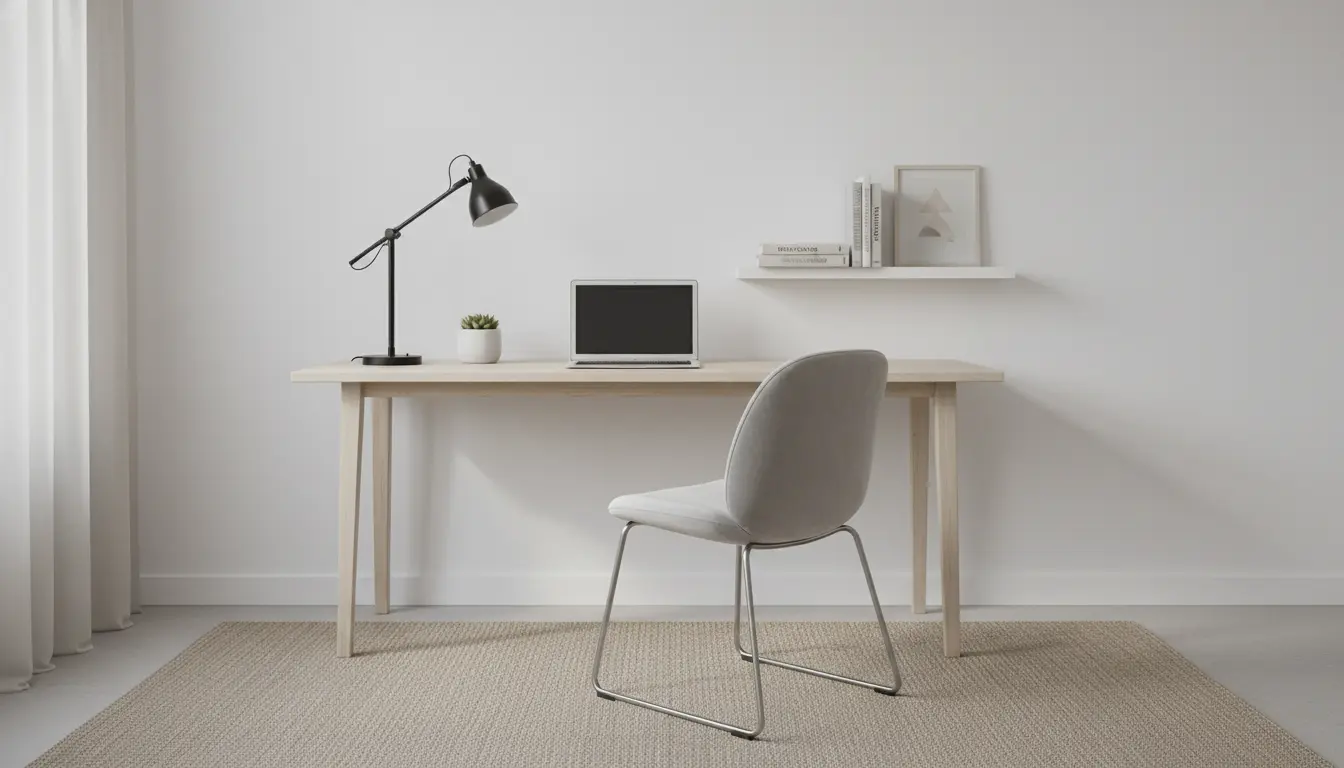
A consistent workspace signals your brain that it is time to work. Choose a dedicated spot, even if space is limited, and optimize for light, comfort, and minimal distractions.
- Desk and chair at comfortable height to reduce fatigue.
- Natural light and a task lamp for long sessions.
- Headphones or a white-noise device to block household sounds.
- Minimal visible clutter with essential items within reach.
Position your monitor at eye level and keep a notebook nearby for quick notes. A simple, repeatable setup removes decision friction every morning.
Working from Home Productivity: Build a Daily Routine
Routines create structure around deep work. Break the day into predictable blocks and align your most demanding tasks with peak energy times.
Working from Home Productivity: Use Time Blocks and Breaks
Time blocking reduces task switching and improves focus. Use focused blocks of 45–90 minutes followed by short breaks to reset attention.
- Morning: deep work block (90 minutes) for complex tasks.
- Midday: shorter tasks, meetings, and administrative work.
- Afternoon: creative or low-energy tasks and a planning block.
Try the Pomodoro technique (25/5) if you are new to focused work. After four cycles, take a longer break of 15–30 minutes to recharge.
Working from Home Productivity: Reduce Interruptions
Interruptions are the biggest productivity drain. Set clear signals and rules for when you are available and when you are not.
- Use calendar blocks labeled Busy and share them with teammates.
- Turn off non-essential notifications on your phone and computer.
- Communicate start and end times to household members.
Physical cues like a closed door, headphones, or a desk flag work well. Clear expectations prevent frequent context switching.
Research shows it takes an average of 23 minutes to return to a task after an interruption. Structured work blocks reduce these costly recovery times.
Case Study: Working from Home Productivity in Practice
Maria is a freelance UX designer who struggled with long work hours and low focus. She created a compact home workstation, blocked mornings for design work, and scheduled afternoons for client calls and admin.
Within four weeks, Maria reported finishing projects faster and feeling less exhausted. She credits the routine, a 90-minute deep work block, and batching emails twice a day.
Working from Home Productivity: Tools and Boundaries
Right tools make workflows leaner and clearer. Use simple apps that support your routine rather than distract from it.
- Task manager: Keep a short daily to-do list (3–5 must-dos).
- Calendar: Block time for focused work and meetings.
- Timer app: Pomodoro or time-block timers to enforce breaks.
- Communication: Set status messages in chat tools to indicate deep work.
Set boundaries with clients and colleagues about response times. A standard message like “I check messages at 11:00 and 16:00” establishes a predictable rhythm.
Working from Home Productivity: Quick Start Checklist
Use this checklist to start improving productivity today. It focuses on actions you can complete in one morning.
- Designate or tidy a dedicated workspace.
- Identify your top three priorities for the day.
- Block one 90-minute deep work session on your calendar.
- Turn off non-essential notifications for the work block.
- Set a visible signal for household members that you are working.
Consistency matters more than perfection. Small, repeatable habits add up and make working from home more productive and less stressful.
Start with one change this week, measure how it affects your focus, and then add another. Over time you will build a reliable system that fits your work and life.