
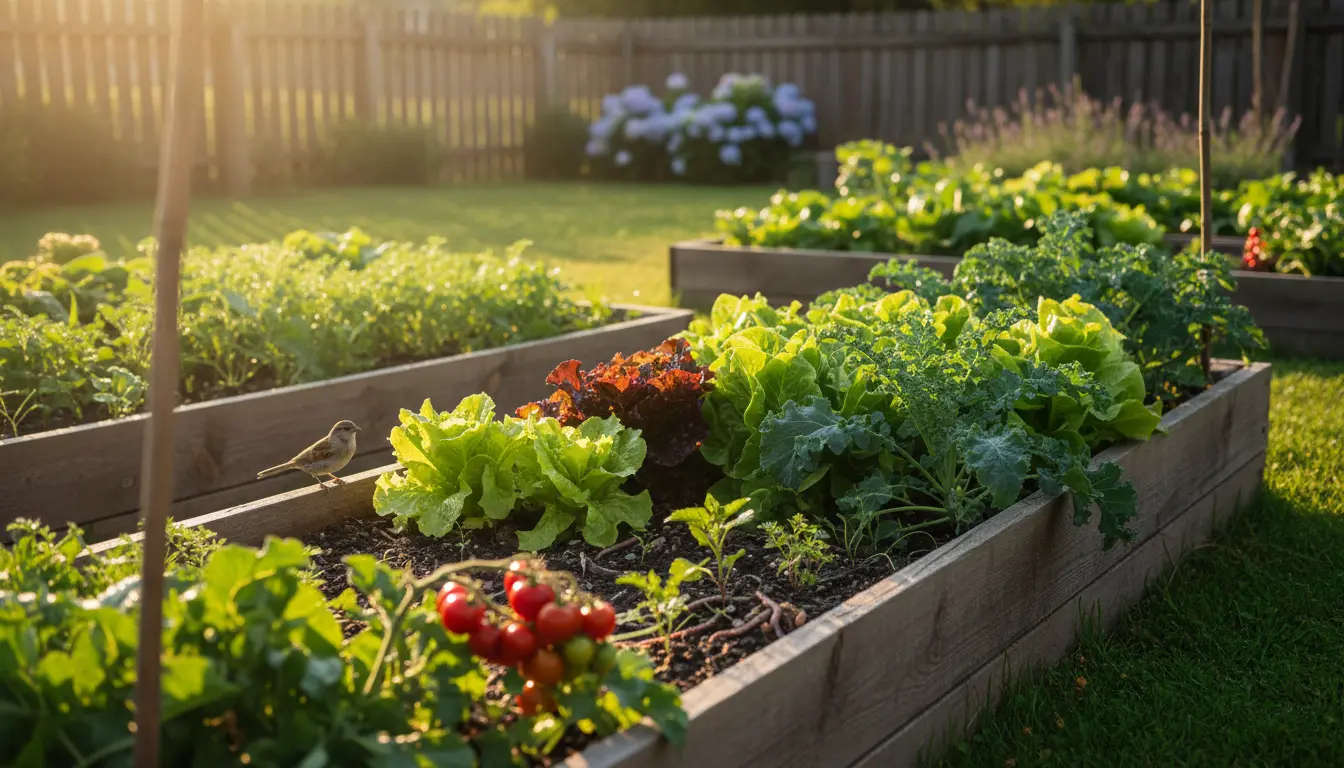
Starting a vegetable garden can feel overwhelming, but clear steps make the process manageable. This guide shows how to start a vegetable garden from planning to harvest with practical instructions you can follow.
Plan Your Garden: How to Start a Vegetable Garden
Begin by deciding why you want a vegetable garden and what you hope to harvest. A clear goal helps shape the size, layout, and crop choices.
Consider these planning points:
- Space available: containers, raised beds, or in-ground plots.
- Time commitment: daily watering or low-maintenance perennials.
- Climate and growing season length in your area.
Choose the Right Location and Soil
Location is one of the most important factors when you learn how to start a vegetable garden. Most vegetables need at least six hours of direct sunlight per day.
If possible, pick a spot with:
- Good drainage to avoid waterlogged roots.
- Access to a water source for easy irrigation.
- Protection from strong winds and pests.
Test and Improve Your Soil
Healthy soil equals healthy plants. Do a simple soil test for pH and nutrient levels. Typical garden vegetables prefer a pH between 6.0 and 7.0.
To improve soil:
- Add compost to increase organic matter and drainage.
- Work in aged manure or a balanced organic fertilizer if nutrients are low.
- Use raised beds or containers when soil is poor or compacted.
Select Vegetables for Your Garden
Choose vegetables that match your climate, soil, and skill level. Begin with easy, fast-growing crops to build confidence.
Good starter vegetables include:
- Leafy greens: lettuce, spinach, and Swiss chard.
- Root crops: radishes, carrots, and beets.
- Warm-season crops: tomatoes, peppers, and bush beans.
Plan Succession and Companion Planting
Stagger plantings to extend harvests, and use companion plants to reduce pests and improve growth. For example, plant basil near tomatoes to help flavor and potentially deter some pests.
Prepare the Bed and Planting Schedule
Clear weeds, loosen soil, and mark rows or bed sections for each vegetable. If using seedlings, harden them off before transplanting outdoors.
Create a simple planting calendar:
- Early spring: cool-weather crops like peas and spinach.
- Late spring: transplant tomatoes and peppers after frost risk passes.
- Summer: direct-sow beans, squash, and late corn varieties.
- Fall: plant brassicas and cover crops for soil health.
Planting, Watering, and Mulching
Plant at the depth recommended on seed packets or plant tags. Space plants to allow airflow and reduce disease risk.
Watering tips:
- Water deeply and less often to encourage strong root systems.
- Morning watering reduces disease pressure and evaporation loss.
- Use drip irrigation or soaker hoses for efficiency.
Mulch around plants to conserve moisture, suppress weeds, and regulate soil temperature. Organic mulches like straw or shredded leaves also break down to improve soil.
Maintenance and Troubleshooting
Regular maintenance keeps a vegetable garden productive. Schedule tasks weekly so nothing is missed.
- Inspect plants for pests and diseases; remove affected leaves early.
- Thin seedlings to avoid overcrowding and competition for nutrients.
- Fertilize according to crop needs—leafy greens may need more nitrogen while fruiting crops benefit from balanced feeding.
Common Problems and Fixes
Yellowing leaves often indicate nutrient deficiencies or overwatering. Check soil moisture and test nutrients as needed.
Slugs and snails can be handled with traps or hand removal. For persistent pest issues, rotate crops and use physical barriers like row covers.
Harvesting and Saving Seeds
Harvest vegetables at peak ripeness for best flavor. Regular picking can encourage more production from plants like beans and squash.
To save seeds, choose open-pollinated varieties, allow fruits to fully mature, and dry seeds thoroughly before storing in a cool, dark place.
Small Real-World Example: One-Season Success
Case: A suburban family used two 4×8 raised beds and started with lettuce, cherry tomatoes, and bush beans. They improved soil with compost and mulched heavily.
Outcome: In a single season they harvested lettuce for five months by staggering plantings, harvested continuous cherry tomatoes, and picked beans every few days for fresh meals. Time investment was about 30 minutes twice a week.
Quick Checklist to Start Your Vegetable Garden
- Choose location with 6+ hours sun.
- Test and amend soil; add compost.
- Select easy crops and create a planting calendar.
- Plant, mulch, and water deeply.
- Inspect weekly and harvest at peak ripeness.
Learning how to start a vegetable garden comes down to planning, consistent care, and small adjustments. Start small, keep records of what works, and expand in future seasons as you gain experience.