
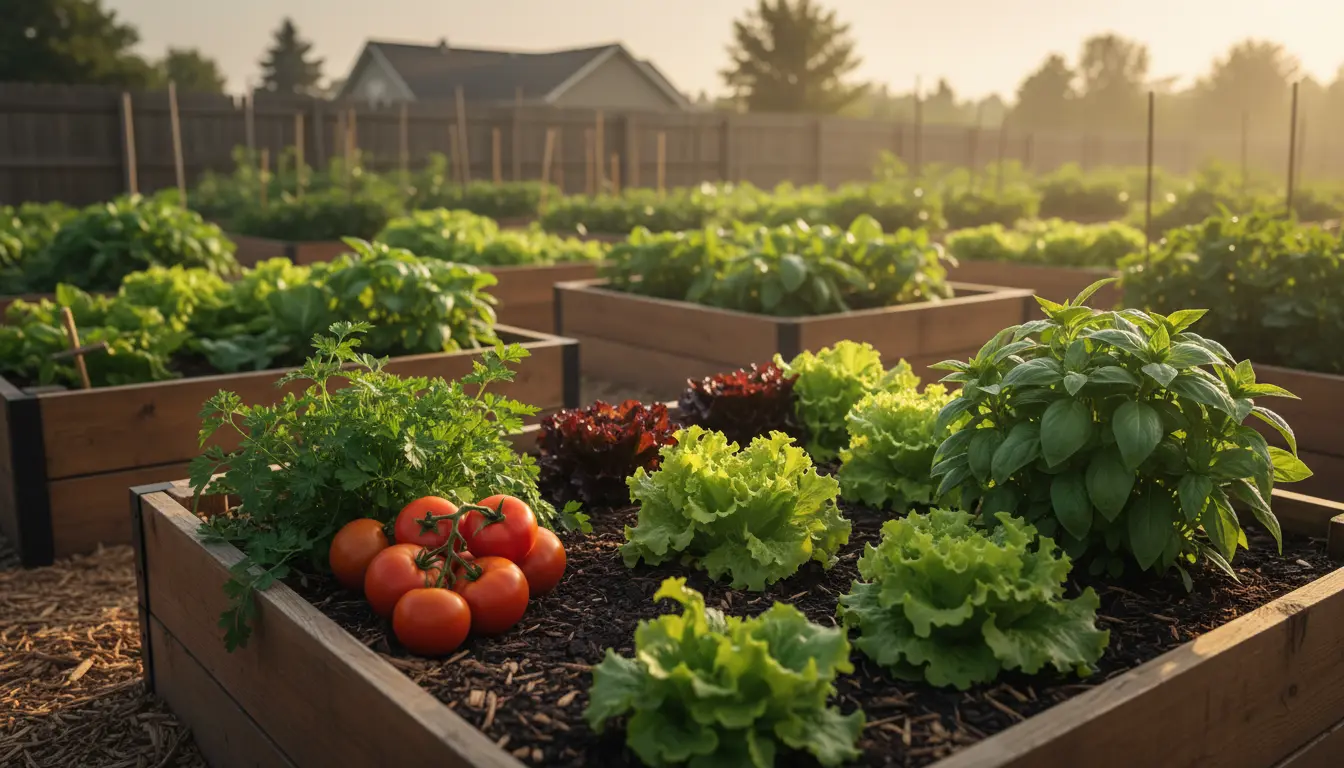
Why start a vegetable garden
Growing your own vegetables saves money and gives fresher produce than store-bought options. It also lets you control how food is grown and reduces packaging waste.
Starting small will help you learn the basics without becoming overwhelmed. This guide walks through practical steps you can use in a backyard, balcony, or community plot.
How to Start a Vegetable Garden: Step-by-Step
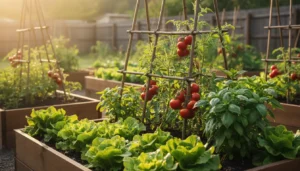
Follow these steps to start a vegetable garden that suits your space and schedule. Each step includes short, actionable advice you can implement this weekend.
1. Choose the right location for your vegetable garden
Most vegetables need at least six hours of direct sunlight. Pick a site with good sun exposure and level ground to avoid drainage problems.
Consider access to water and proximity to your home so regular care is easier. If ground space is limited, use containers or raised beds.
2. Test and improve soil for your vegetable garden
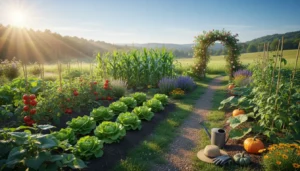
Good soil is the foundation of a productive vegetable garden. Get a simple soil test kit to check pH and nutrient levels.
Improve heavy clay or sandy soils by adding organic matter like compost or well-rotted manure. Aim for loose, crumbly soil that drains yet holds moisture.
3. Plan what to plant when you start a vegetable garden
Select vegetables that match your climate and season. Beginners do well with tomatoes, lettuce, radishes, beans, and herbs like basil.
Use a planting calendar to stagger sowing dates and extend your harvest. Group plants by water needs and maturity time to simplify care.
4. Start seeds or buy seedlings
Starting from seed is cheaper and offers more variety but takes more time. Buying seedlings gets you a head start when the season is short.
Read seed packets for depth and spacing instructions. Thin seedlings early so remaining plants have room to grow.
5. Watering and basic care for your vegetable garden
Most vegetables need consistent moisture, especially during flowering and fruiting. Water deeply once or twice a week rather than shallow daily sprinkles.
Mulch around plants to conserve moisture, suppress weeds, and moderate soil temperature. Use straw, shredded leaves, or bark chips.
6. Manage pests and diseases in your vegetable garden
Start with prevention: crop rotation, proper spacing, and healthy soil reduce pest pressure. Inspect plants weekly for early signs of trouble.
- Use row covers to protect young plants from insects.
- Hand-pick larger pests like slugs and caterpillars.
- Choose disease-resistant varieties when possible.
Design and layout tips to start a vegetable garden
Efficient layout saves time and increases yield. Use square beds, rows, or containers depending on your space.
Consider companion planting to maximize space and discourage pests. For example, plant basil near tomatoes and marigolds near beans.
Tools and supplies to start a vegetable garden
You don’t need every tool at once. Start with these essentials:
- Hand trowel and digging fork
- Garden gloves and a watering can or hose with a nozzle
- Basic soil test kit and a small rake
- Mulch and compost
Seasonal checklist to keep your vegetable garden productive
Use this checklist each season to maintain a steady supply:
- Spring: Prepare beds, start seeds, and plant cool-season crops.
- Summer: Mulch, water deeply, and harvest regularly to encourage production.
- Fall: Sow cover crops, clean beds, and harvest remaining produce.
- Winter: Plan next season and repair tools.
Planting a mix of flowering herbs and vegetables can increase pollinator visits and boost yields. Bees prefer diverse blooms and will visit more often when you include herbs like borage and lavender.
Small case study: Sarah’s 10×10 backyard vegetable garden
Sarah converted a 10×10 foot patch of lawn into a raised-bed vegetable garden. She improved the soil with two wheelbarrows of compost and selected easy crops.
In her first season she harvested lettuces, cherry tomatoes, beans, and basil enough to supply fresh salads for her family. Simple watering and weekly inspections kept pests under control.
Her key wins were starting small, keeping a planting log, and rotating beans and leafy greens to maintain soil fertility.
Common mistakes to avoid when you start a vegetable garden
- Overplanting: Crowded plants reduce air flow and increase disease risk.
- Inconsistent watering: Fluctuating moisture causes blossom end rot and splitting fruit.
- Ignoring soil health: Without organic matter, growth and flavor suffer.
Final tips for beginners who want to start a vegetable garden
Start with a small, manageable area and expand as you gain experience. Keep notes on what worked and what didn’t so each season improves on the last.
Gardening is a learning process. Expect some failures and treat them as experiments that teach what to change next year.