
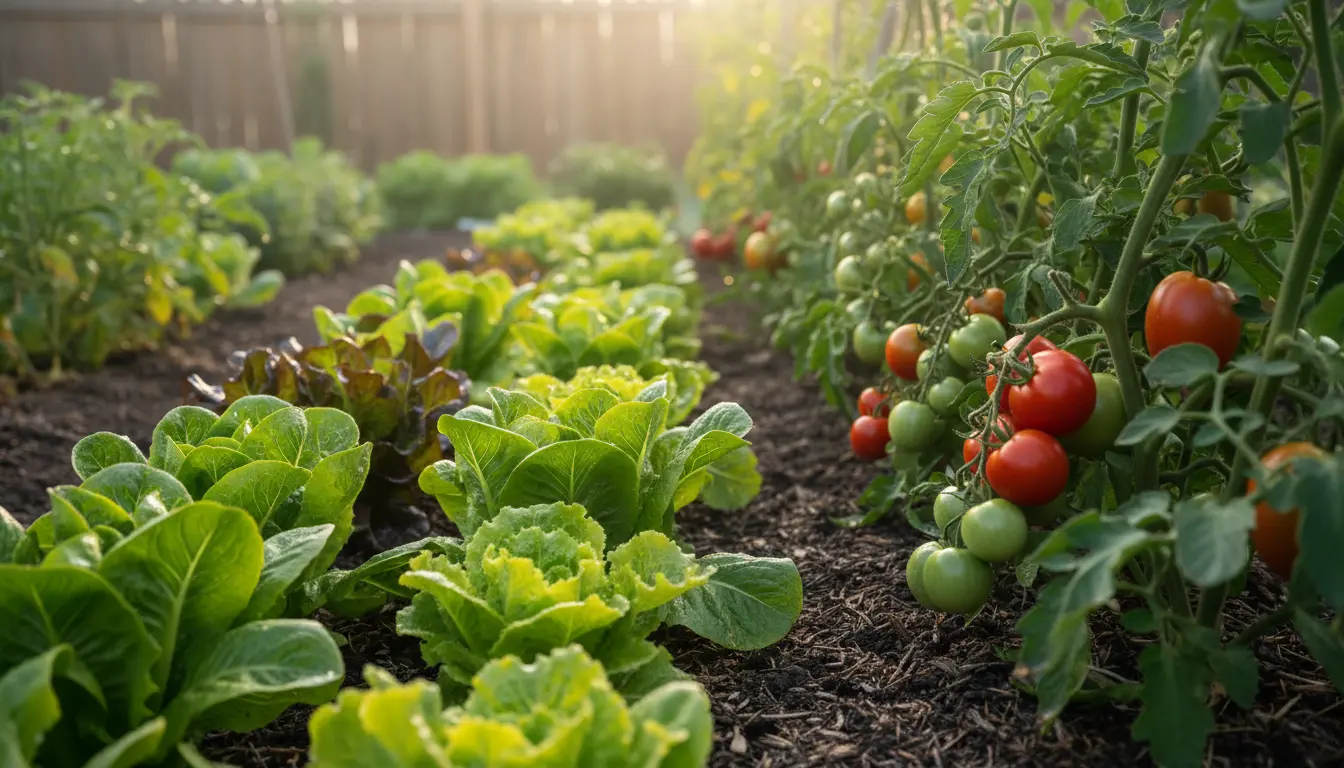
Why start a vegetable garden
Growing your own vegetables saves money and gives you fresher food. It also helps you control how produce is grown and reduces trips to the store.
This guide explains how to start a vegetable garden with clear steps for beginners. Follow these practical instructions to get plants established and productive.
Plan before you start a vegetable garden
Good planning prevents early problems and wasted effort. Start small and choose a few easy-to-grow crops to build confidence.
- Decide how much time you can spend on the garden each week.
- Choose vegetables suited to your climate and growing season.
- Consider space: raised beds, containers, or an in-ground plot.
Pick a location for your vegetable garden
Most vegetables need at least six hours of direct sunlight a day. Observe sun patterns before choosing the site.
Look for a location near a water source and with good drainage. Avoid low spots where water pools after rain.
Prepare soil to start a vegetable garden
Soil quality determines how well your vegetables grow. Test or examine soil so you can make targeted improvements.
Work on creating loose, crumbly soil that drains yet holds moisture. Organic matter and balanced nutrients are key.
- Remove weeds, grass, and debris from the planting area.
- Mix in 2–4 inches of compost to improve fertility and structure.
- Use a soil test or pH kit to check nutrient needs and pH level.
Soil tips for a healthy vegetable garden
If soil is heavy clay, add coarse sand and lots of compost to improve texture. For sandy soil, add compost and organic mulch to retain moisture.
Avoid compacting soil; work it only when slightly damp. Overworking wet soil can harm structure and future plant roots.
Choose plants when you start a vegetable garden
Select vegetables that match your skill level and local climate. Fast-growing crops give results quickly and keep beginners motivated.
- Easy choices: lettuce, radishes, cherry tomatoes, green beans, and herbs.
- Choose disease-resistant varieties if available for your region.
- Stagger planting times (succession planting) for continuous harvests.
Seeds or seedlings for your vegetable garden
Seeds are cheaper and offer more variety, but seedlings (transplants) give a quicker start. Use seedlings for long-season crops like tomatoes and peppers.
Follow seed packet instructions for spacing, depth, and timing. Proper spacing reduces disease and improves airflow.
Watering and feeding your vegetable garden
Consistent watering is more important than frequent light sprays. Deep, infrequent watering encourages deeper root growth.
- Water early in the morning to reduce evaporation and leaf disease.
- Use drip irrigation or soaker hoses to deliver water to the root zone.
- Mulch around plants to conserve moisture and suppress weeds.
Fertilize based on your soil test. A balanced, slow-release organic fertilizer works well for many home gardens.
Common pests and disease management
Monitor plants weekly for pests and signs of disease. Early detection makes control easier and less chemical-dependent.
Use physical barriers like row covers, hand-pick pests when possible, and encourage beneficial insects such as ladybugs and lacewings.
Maintenance tasks for a productive vegetable garden
Regular tasks keep the garden healthy and productive. Set a simple weekly routine to check water, remove weeds, and inspect plant health.
- Weed as needed to reduce competition for nutrients and water.
- Harvest promptly; many vegetables produce more when picked regularly.
- Rotate crops each season to limit soil-borne pests and nutrient depletion.
Interplanting fast crops like radishes between slower crops like tomatoes can increase yields and make efficient use of garden space.
Small real-world case study
Case: Anna, a first-time gardener in a small urban backyard, started with two raised beds (4×4 feet). She planted lettuce, radishes, basil, and cherry tomatoes.
She added compost before planting, used a soaker hose for watering, and mulched with straw. In her first season she harvested continuously from spring through fall and saved money on salads.
The key changes were starting small, regular checking, and choosing easy crops. Her confidence grew and she expanded beds in year two.
Quick checklist to start a vegetable garden
- Choose a sunny, well-drained location.
- Decide on beds, containers, or in-ground planting.
- Improve soil with compost and test nutrients if possible.
- Select beginner-friendly vegetables and proper planting times.
- Set up watering and mulch to conserve moisture.
- Monitor pests, harvest regularly, and rotate crops yearly.
Final tips for a lasting vegetable garden
Keep a simple garden journal to track planting dates, varieties, and harvests. This record helps you improve year to year.
Start small, learn from one season, and expand when ready. With steady care, a home vegetable garden is reliable and rewarding.