
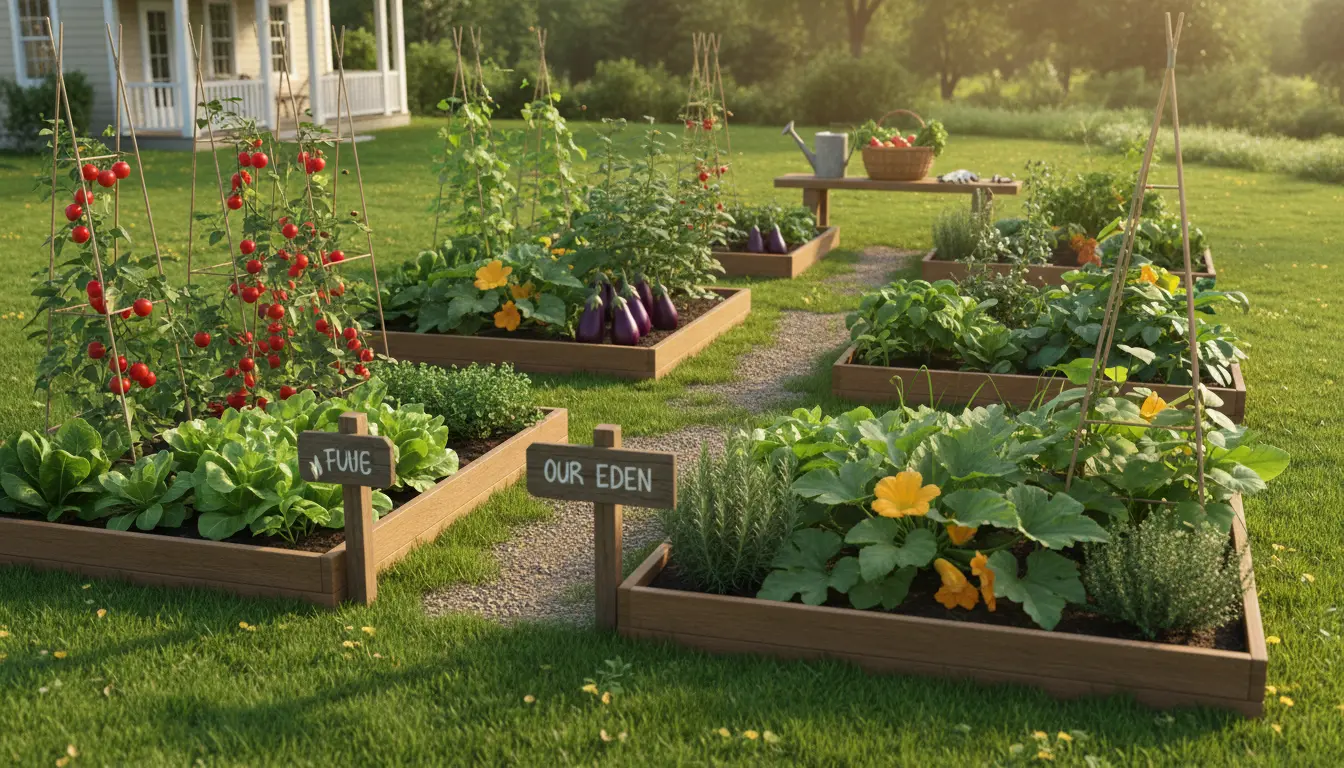
How to Start a Vegetable Garden: Quick Overview
Starting a vegetable garden is achievable with basic planning and a small investment of time. This guide gives clear, practical steps to get a productive garden whether you have a backyard, balcony, or community plot.
Prepare Before You Start a Vegetable Garden
Good planning reduces mistakes and wasted effort. Begin by assessing light, space, and water access.
Choose the Right Location
Vegetables need sunlight. Pick a spot that gets at least six hours of direct sun daily for most crops. Keep the area near a water source to simplify irrigation.
Decide Between Beds, Containers, or Rows
Raised beds are ideal for soil control and drainage. Containers work well for small spaces and patios. Rows remain cost-effective for larger yards.
Soil and Soil Preparation for Your Vegetable Garden
Healthy soil is the backbone of a productive garden. Test and improve soil before planting.
Test and Improve Soil
Use a simple soil test kit to check pH and nutrient levels. Most vegetables prefer a pH between 6.0 and 7.0. Add lime or sulfur only if the test indicates a need.
Improve texture and fertility by adding organic matter. Mix in compost, aged manure, or leaf mold to increase water retention and nutrients.
Simple Soil Mix for Containers
- 40% high-quality potting mix
- 40% compost
- 20% perlite or coarse sand for drainage
Choose Plants When You Start a Vegetable Garden
Pick vegetables that match your climate, available light, and skill level. Beginners do well with fast-growing, low-maintenance crops.
Easy Vegetables for Beginners
- Leaf lettuce and spinach — fast harvest and tolerate partial shade
- Tomatoes — choose determinate or patio varieties for small spaces
- Radishes — mature in 3–4 weeks and reveal quick success
- Beans and peas — productive and good for soil nitrogen
- Zucchini and summer squash — high yield with minimal care
Planting and Spacing Tips
Follow seed packet or plant label spacing to avoid overcrowding. Proper spacing improves airflow and reduces disease risk.
- Stagger plant heights so taller plants do not shade smaller ones.
- Use succession planting for continuous harvest — sow lettuce every two weeks.
- Label rows or containers so you remember planting dates and varieties.
Watering and Fertilizing Your Vegetable Garden
Consistent watering is more important than frequent light watering. Aim for deep, infrequent waterings that soak the root zone.
Watering Guidelines
- Water in the morning to reduce disease risk and evaporation.
- Use drip irrigation or soaker hoses to deliver water efficiently.
- Mulch around plants to retain moisture and suppress weeds.
Fertilizer Basics
Start with a balanced organic fertilizer or compost. Monitor plant growth; yellowing leaves may indicate a need for additional nitrogen.
Pest and Disease Management
Healthy plants resist pests better. Use preventative measures first and targeted controls when needed.
- Rotate crops yearly to reduce soil-borne disease buildup.
- Encourage beneficial insects with flowering herbs and companion planting.
- Remove diseased foliage promptly and dispose of it away from the garden.
Harvesting and Season Extension
Harvest vegetables when mature but not overripe to encourage continued production. Frequent harvesting can increase yield for many crops.
- Use row covers to protect early crops from frost and insects.
- Start a second planting in late summer for a fall harvest.
Small Real-World Example: A Simple Urban Garden Case Study
Maria had a small balcony and wanted fresh salad greens. She built two 12-inch deep containers and filled them with a mix of potting soil and compost. She chose lettuce, radishes, and cherry tomatoes.
Within four weeks she harvested baby lettuce and radishes. The tomatoes produced later in the season. Maria used a drip watering stake system and rotated containers to manage light. Her initial investment was under $150 and she reports saving money and enjoying fresher meals.
Checklist to Start a Vegetable Garden
- Assess sunlight and space for at least six hours of sun.
- Choose container, raised bed, or in-ground planting.
- Test and amend soil with compost and organic matter.
- Select easy crops suited to your climate and space.
- Install simple irrigation and add mulch to conserve moisture.
- Plan succession plantings and record harvests to learn what works.
Final Tips When You Start a Vegetable Garden
Start small and expand as you gain confidence. Keep a garden journal to record planting dates, varieties, and notes on performance.
Learn season by season. Most successful gardeners adapt their plan based on local experience and small experiments.
With basic planning and consistent care you can start a vegetable garden that produces fresh food and reduces grocery trips. Begin with a few reliable crops and grow your skills over time.