
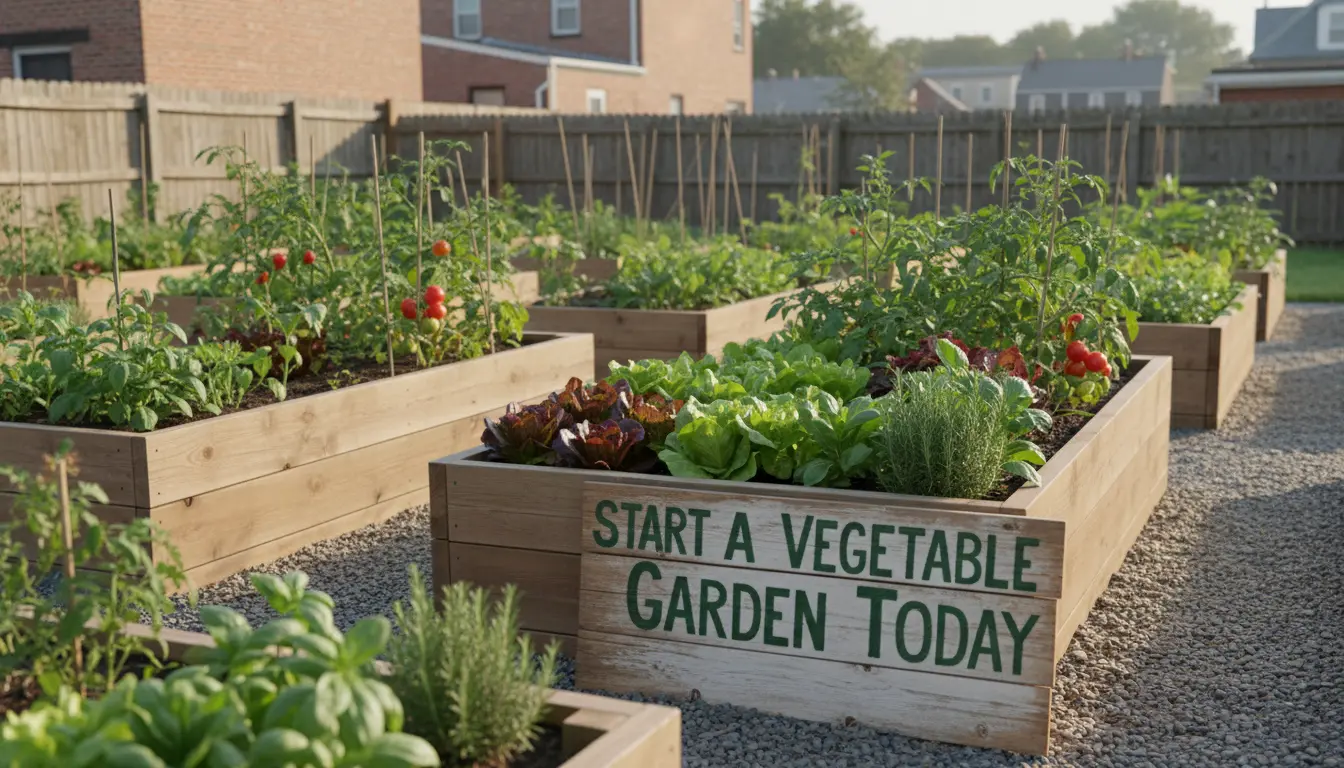
Starting a vegetable garden is a practical way to grow fresh food, save money, and enjoy time outdoors. This guide explains basic steps you can follow whether you have a backyard, balcony, or community plot.
How to Start a Vegetable Garden: Plan Your Space
Begin by evaluating where you will grow vegetables and how much space you can dedicate. Consider sunlight, water access, and foot traffic to choose a practical location.
Choose the Right Spot to Start a Vegetable Garden
Most vegetables need at least 6 hours of direct sun per day. Observe the site for several days to confirm sunlight patterns before planting.
Also check for nearby water sources and level ground for easier irrigation and maintenance. If soil is poor, raised beds or containers are effective alternatives.
How to Start a Vegetable Garden: Test and Improve Soil
Healthy soil is the foundation of a productive garden and determines many outcomes. Test soil texture and pH or use a simple home test kit to learn what amendments are needed.
Soil Preparation Steps
- Remove weeds and grass from the planting area.
- Loosen soil to a depth of 8–12 inches for root vegetables.
- Work in compost or well-rotted manure at a rate of 2–4 inches across the surface.
- Adjust pH if needed: lime to raise pH or sulfur to lower it.
Well-drained, crumbly soil with organic matter will retain moisture and supply nutrients throughout the season. Mulch with straw or shredded leaves to conserve water and suppress weeds.
How to Start a Vegetable Garden: Select Plants and Timing
Choose vegetables suited to your climate and growing season. Beginners should start with easy crops that establish quickly and tolerate mistakes.
Best Beginner Vegetables
- Leafy greens: lettuce, spinach, chard
- Root crops: radishes, carrots
- Nightshades: cherry tomatoes, peppers (start indoors if needed)
- Legumes and heat-tolerant crops: bush beans, zucchini
Refer to your local frost dates and seed packet recommendations for planting times. Succession planting—sowing a little every 2–3 weeks—extends harvests for many vegetables.
How to Start a Vegetable Garden: Planting and Layout
Plan rows, hills, or raised beds for efficient use of space and easier care. Group plants with similar water and sun needs together to simplify maintenance.
Basic Layout Tips
- Place taller plants on the north side of beds to avoid shading smaller crops.
- Keep pathways wide enough for wheelbarrows and comfortable access.
- Use companion planting to deter pests and improve growth when appropriate.
Mark seedlings and label varieties to track performance. Small stakes or washable plant labels work well for this purpose.
How to Start a Vegetable Garden: Watering and Feeding
Consistent moisture is essential, especially for young plants and during fruit set. Water at the soil level early in the morning for best results and to reduce disease risk.
Fertilizer and Nutrient Care
Start with a balanced organic fertilizer or granular slow-release formula at planting. Monitor plant growth and add side-dressings of compost or liquid feed through the season if needed.
- Tip: Over-fertilizing leafy crops can reduce fruit production—follow label rates.
- Tip: Use mulch to slow evaporation and keep roots cool in hot weather.
How to Start a Vegetable Garden: Common Maintenance Tasks
Routine tasks keep your garden productive and healthy. Spend a little time most days or a longer session weekly to stay ahead of issues.
- Weed regularly to reduce competition for nutrients and water.
- Inspect for pests and diseases; remove affected leaves promptly.
- Harvest regularly to encourage continued production.
Many common vegetables like lettuce and radishes mature in under 30 days, making them excellent for beginners seeking quick results.
Small Case Study: Maria’s Raised Bed Success
Maria had a sunny 10-foot balcony and wanted fresh salad greens. She built two 4×2 foot raised beds and filled them with a commercial organic mix and compost.
She planted mixed lettuce, radishes, and a few cherry tomatoes in spring. By using succession sowing and daily morning watering, she harvested salads almost continuously for three months.
Maria’s simple approach—good soil, regular watering, and frequent harvesting—turned a small space into a reliable source of fresh vegetables.
How to Start a Vegetable Garden: Troubleshooting and Next Steps
If plants show yellowing leaves, test soil and check for watering problems. Pests can often be managed with handpicking or row covers rather than strong chemicals.
As you gain experience, try new crops, start seeds indoors for earlier harvests, or expand with herbs and perennials. Keep notes each season to track what varieties perform best in your space.
Starting a vegetable garden is a step-by-step process that rewards patience and small consistent efforts. Use this guide as a checklist and adapt methods to your climate and available space.