
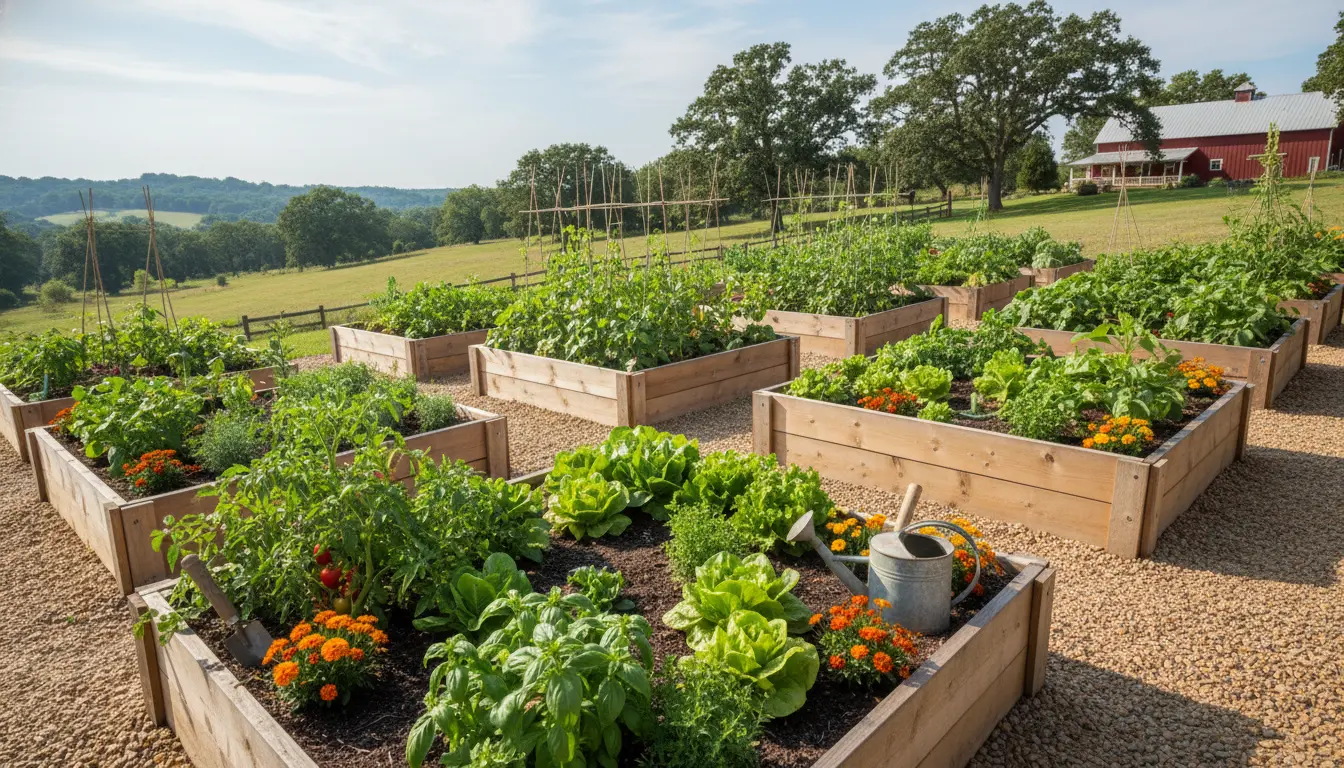
Why start a small vegetable garden
Growing vegetables at home is a practical way to get fresh food, save money, and learn basic gardening skills. A small vegetable garden fits yards, balconies, and containers while staying manageable for beginners.
This guide shows clear steps to plan, plant, and maintain a small vegetable garden with simple, low-cost techniques.
Plan your small vegetable garden
Planning reduces mistakes and helps you pick the right size and crops. Start with a small, defined area—about 4 x 8 feet—or a few large containers.
Decide what you want to grow by considering taste, space, and season. Pick 3–6 varieties for a first season to keep work low.
Choose easy starter crops
- Leafy greens: lettuce, spinach
- Root vegetables: radish, carrot
- Quick fruiting: cherry tomatoes, bush beans
- Herbs: basil, parsley
Pick the right spot
Light, water access, and soil or container space determine success. Most vegetables need 6–8 hours of sun a day.
Near a water source and close to the kitchen are practical choices. If you have limited sun, select shade-tolerant crops like leafy greens.
Prepare soil for a small vegetable garden
Good soil is the most important factor. For ground beds, loosen soil to 8–12 inches and mix in organic matter like compost.
For raised beds or containers use a mix of topsoil, compost, and a light soilless component like coconut coir for drainage. Aim for loose, crumbly soil with good drainage.
Soil test and amendments
- Test pH with a simple kit; most vegetables prefer pH 6.0–7.0.
- Add lime if soil is acidic or sulfur if too alkaline (follow test instructions).
- Work 2–3 inches of compost into the topsoil before planting.
Layout and planting in a small vegetable garden
Use straight rows, raised beds, or container groupings depending on space. Keep paths narrow to maximize planting area and reduce weed growth.
Follow seed packet spacing or plant transplants at recommended distances. Dense planting of compatible crops can reduce weeds and boost yield.
Succession planting and companion planting
- Succession planting: stagger plantings every 2–3 weeks for continuous harvest.
- Companion planting: place basil near tomatoes, and marigolds near beans to deter pests.
Watering and feeding
Consistent moisture is key. Water deeply and less often rather than light daily sprays. Aim to wet the root zone 6–8 inches deep.
Mulch with straw or shredded leaves to reduce evaporation and suppress weeds. Feed with a balanced organic fertilizer or liquid feed every 3–4 weeks during the growing season.
Common pests and simple control
Small gardens attract common pests like aphids, slugs, and caterpillars. Start with low-impact solutions before chemicals.
- Handpick large pests and drop them in soapy water.
- Use row covers for young plants to keep insects off.
- Encourage predators like ladybugs and birds by providing water and shelter.
Harvesting and ongoing care
Harvest regularly to encourage more production. Pick leafy greens from the outside in and harvest tomatoes when fully colored for best flavor.
Keep a simple log of planting dates and harvest yields to improve planning next season.
Many vegetables can be grown in containers with only 6–12 inches of soil depth. Radishes, lettuce, herbs, and dwarf tomatoes are excellent container choices.
Small case study: A balcony vegetable garden
Olivia, a city renter, used four large 12-inch containers on her sunny balcony. She planted cherry tomatoes, basil, lettuce, and radishes in spring.
She added compost to potting mix, watered deeply twice a week, and used a tomato cage for support. By mid-summer she harvested regular salads and fresh tomatoes, with minimal cost and effort.
Tips for success with a small vegetable garden
- Start small and expand gradually as you gain confidence.
- Keep tools simple: trowel, watering can, pruning shear, and gloves.
- Monitor plants weekly and act early if problems appear.
- Record what works and what fails to refine choices next season.
Final checklist before planting
- Site chosen with adequate sunlight
- Soil tested and amended with compost
- Crops chosen for space and season
- Irrigation plan and mulch ready
- Simple pest controls prepared
Starting a small vegetable garden is an achievable project that rewards you with fresh produce and gardening skills. Follow the steps above, begin with a modest plan, and expand as you learn which crops fit your space and taste.