
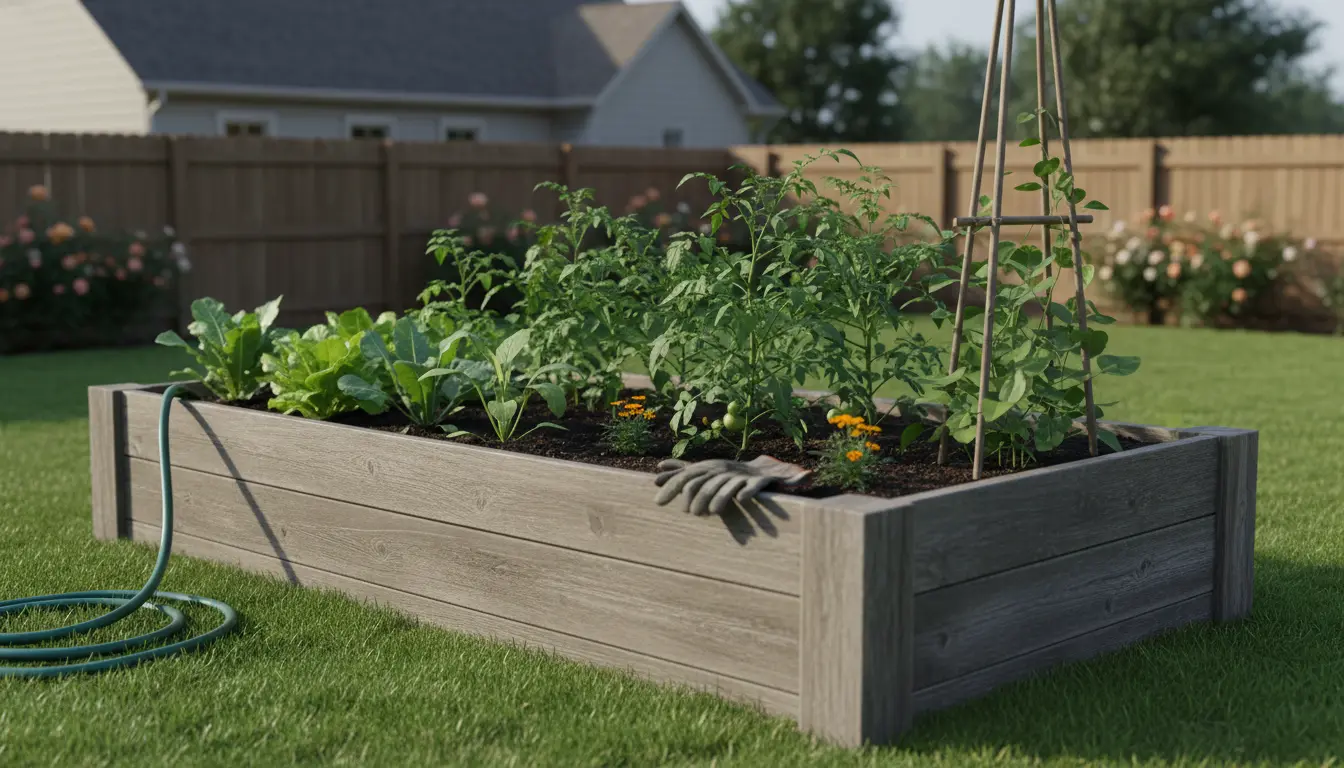
Starting a small vegetable garden is a practical way to grow fresh food and learn basic gardening skills. This guide gives clear, step-by-step instructions you can apply in a backyard, balcony, or community plot.
Plan Before You Start a Small Vegetable Garden
Good results begin with planning. Pick a spot that gets at least 4–6 hours of sun daily. Consider access to water, space, and how much time you can commit each week.
Decide Garden Type and Size

Choose between in-ground beds, raised beds, or containers. Each works for a small vegetable garden. Containers suit balconies and patios. Raised beds warm faster and drain well.
- Small backyard: one 4 x 8 ft raised bed
- Balcony: several 12–18 inch deep containers
- Community plot: multiple small rows or square-foot sections
Prepare Soil to Start a Small Vegetable Garden
Soil quality determines plant health. If using containers, buy a quality potting mix. For beds, test and amend your soil.
Simple Soil Steps
Follow these steps to prepare soil for a small vegetable garden:
- Test pH if possible; aim for 6.0–7.0 for most vegetables.
- Add compost to improve texture and nutrients.
- Mix in aged manure or slow-release organic fertilizer if needed.
Choose the Right Vegetables for a Small Vegetable Garden
Select crops that match space, season, and your eating habits. Start with easy, compact varieties that produce quickly.
Best Picks for Beginners
- Lettuce and salad greens — fast and space-efficient.
- Radishes — quick harvest in 3–4 weeks.
- Cherry tomatoes — productive and suitable for containers.
- Bush beans — compact and high-yielding.
- Herbs like basil, parsley, and chives — low maintenance.
Planting Tips to Start a Small Vegetable Garden
Planting at the right time helps seedlings thrive. Check frost dates in your area and follow seed packet instructions for depth and spacing.
Spacing and Succession Planting
Give plants enough room to grow. Use succession planting to get continuous harvests. For example, sow lettuce every two weeks for steady salad leaves.
Watering and Maintenance for a Small Vegetable Garden
Consistent watering is crucial. Small gardens often dry faster, especially in containers. Water deeply and less often to encourage strong roots.
- Water in the morning to reduce disease risk.
- Use mulch to retain moisture and suppress weeds.
- Monitor for pests and address problems early with simple methods like hand-picking or insecticidal soap.
Simple Fertilizing Routine
Feed plants with a balanced organic fertilizer every 4–6 weeks. Vegetables that fruit, like tomatoes, benefit from extra phosphorus and potassium once they set fruit.
Harvesting from a Small Vegetable Garden
Harvest often to encourage more production. Pick leaves, fruits, or roots when they reach recommended size for the variety.
- Leafy greens: harvest outer leaves continually.
- Tomatoes: pick when fully colored and slightly soft.
- Beans: harvest when pods are firm and before seeds bulge.
Common Problems and Easy Solutions
Small vegetable gardens can face pests, disease, or nutrient deficiencies. Regular observation prevents small issues from becoming major losses.
- Pests: use row covers, companion planting, or manual removal.
- Disease: improve airflow and avoid overhead watering.
- Nutrient issues: add compost or targeted fertilizer based on symptoms.
Many compact vegetable varieties are bred for small spaces and produce the same yield per square foot as full-size plants. Choosing the right cultivar can double your harvest area efficiency.
Case Study: Small Balcony Vegetable Garden
Maria converted a 6 ft by 3 ft balcony into a small vegetable garden. She used three 12-inch deep containers and one 4 x 2 ft raised trough. She planted cherry tomatoes, basil, lettuce, and bush beans.
Watering took about 10 minutes every other day in summer. Compost and slow-release fertilizer were added at the start. By mid-summer, Maria harvested tomatoes weekly and had continuous salad greens for two months.
Her gains: fresh salads, reduced grocery trips, and a small but steady yield from minimal space and time.
Quick Checklist to Start a Small Vegetable Garden
- Pick a sunny site and choose garden type (containers, raised bed, in-ground).
- Prepare soil with compost and test pH if possible.
- Select beginner-friendly crops and compact varieties.
- Plant at the right time and follow spacing guidelines.
- Water consistently, mulch, and fertilize lightly.
- Harvest regularly and monitor for pests.
Starting a small vegetable garden is manageable and rewarding. With a little planning and consistent care you can grow healthy food in limited space. Use this guide as a checklist and adapt steps to your local climate and schedule.