
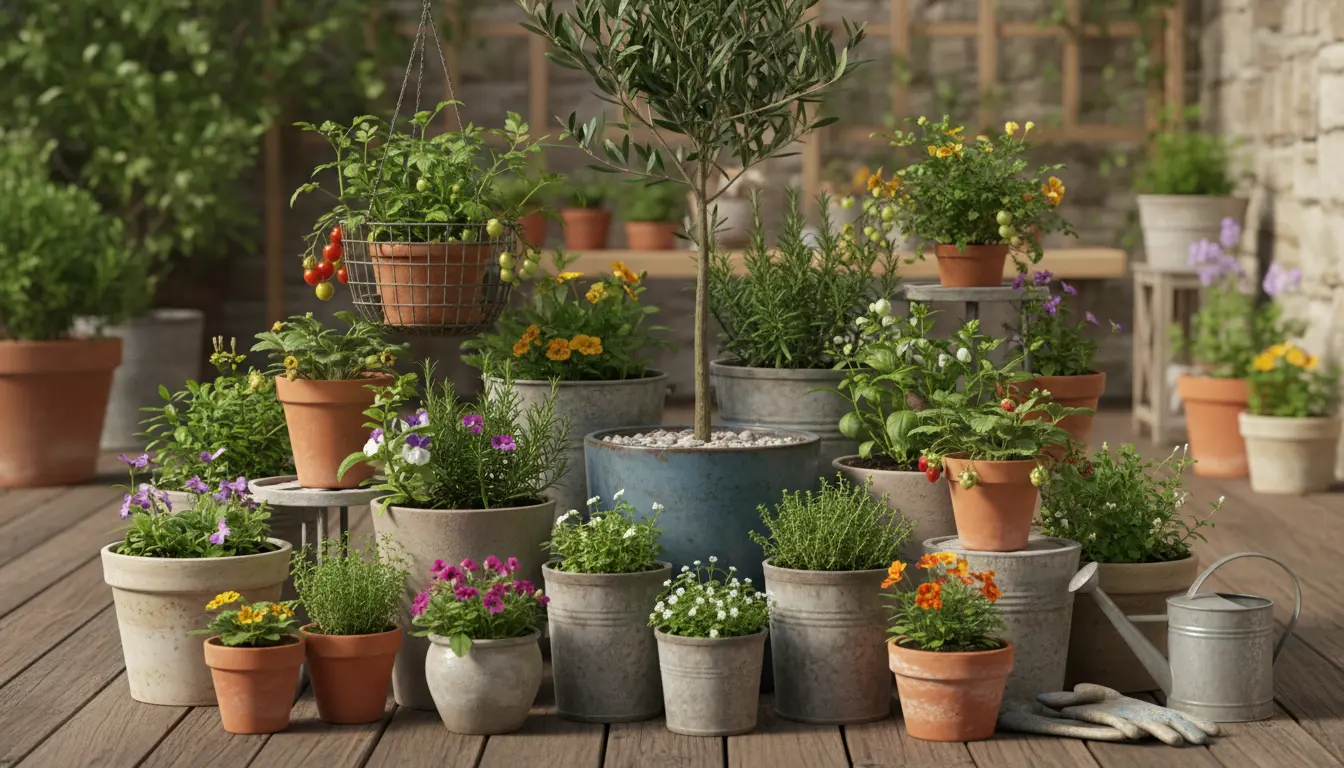
Why Start a Small Vegetable Garden
A small vegetable garden is a practical way to grow fresh food in limited space. It saves money, reduces trips to the store, and gives you control over how your food is grown.
This guide covers site selection, soil and containers, plant choices, watering, feeding, and simple maintenance so you can start quickly and keep it productive.
Choosing the Right Spot for a Small Vegetable Garden
Sunlight is the top priority. Most vegetables need 6–8 hours of direct sun daily to produce well.
If you have limited ground space, consider containers, raised beds, or balcony planters. Good air circulation and easy access are also important.
Site checklist for a small vegetable garden
- Full sun or as much direct sun as possible
- Flat or gently sloped area with good drainage
- Close to a water source for easy watering
- Accessible for regular maintenance and harvesting
Soil and Container Choices for Small Spaces
Healthy soil is the foundation of a productive garden. For ground plots, use a mixture of compost and native soil to improve structure and fertility.
For containers, use a high-quality potting mix designed for vegetables. Avoid garden soil in containers because it compacts and drains poorly.
Container options
- Fabric grow bags or plastic pots (5–20 gallons depending on crop)
- Self-watering containers for consistent moisture
- Raised beds for better root space and easier weeding
Picking Vegetables for a Small Vegetable Garden
Choose plants that fit your space, climate, and dietary preferences. Greener leafy vegetables and herbs are often the best use of limited space.
Consider compact or bush varieties labeled suitable for containers or small gardens.
Top picks for small spaces
- Leafy greens: lettuce, spinach, arugula
- Herbs: basil, parsley, chives, cilantro
- Compact fruiting plants: bush tomatoes, patio peppers
- Root crops: radishes, baby carrots, scallions
Planting, Watering, and Feeding
Follow seed packet or plant tag instructions for spacing and depth. Overcrowding reduces yield and increases disease risk.
Water consistently. Containers dry faster than ground beds, so check moisture daily during hot weather.
Simple care routine
- Water in the morning to reduce evaporation and leaf diseases.
- Mulch ground beds or add a surface layer in containers to retain moisture.
- Feed with a balanced organic fertilizer every 3–4 weeks or use slow-release formulas.
- Pinch or prune plants to encourage bushier growth and higher yields.
Pest and Disease Management
Early monitoring prevents small problems from becoming major issues. Inspect leaves weekly for chewed edges, spots, or wilting.
Use non-toxic controls first: hand-picking, neem oil, insecticidal soap, or row covers for young plants.
Prevention tips
- Rotate crops each season to reduce disease buildup.
- Remove dead or diseased foliage promptly.
- Encourage beneficial insects with flowering herbs and native plants.
Many common vegetables, such as lettuce and radishes, can be harvested in as little as 30 days, making them ideal for fast results in a small vegetable garden.
Seasonal Planning and Succession Planting
Maximize year-round production by planning seasons and using succession planting. After an early crop is harvested, replant the space with a new quick-growing vegetable.
Use cold frames or row covers to extend the growing season in cooler climates.
Small Vegetable Garden Case Study
Case: A 4×6-foot raised bed on an urban patio produced steady vegetables for a family of two. The gardener used a 50/50 mix of compost and topsoil, planted bush tomatoes, three lettuce succession rows, and a few herbs.
Results: In one growing season the bed yielded about 15 pounds of tomatoes, continuous lettuce harvests, and regular herb snips. Consistent watering and fortnightly organic feeding kept plants healthy.
Key takeaways: Start small, rotate crops, and focus on high-value plants for your household to see quick benefits.
Practical Examples and Quick Plans
Beginner 4-pot plan: one pot each for lettuce, herbs, cherry tomatoes, and radishes. This simple layout fits a balcony or small patio.
Raised bed plan (4×6 feet): two rows of lettuce for succession, one row of bush beans, and a corner for tomatoes and basil. This yields continuous greens and seasonal vegetables.
Final Checklist to Start Your Small Vegetable Garden
- Choose a sunny spot and the right container or bed size
- Use quality soil or potting mix and add compost
- Select compact varieties suited to your space
- Water regularly, mulch, and feed moderately
- Inspect plants weekly and manage pests early
Starting a small vegetable garden is manageable with simple planning and regular care. Focus on the basics: light, soil, water, and plant selection, and you will have a steady supply of fresh produce from a modest space.