
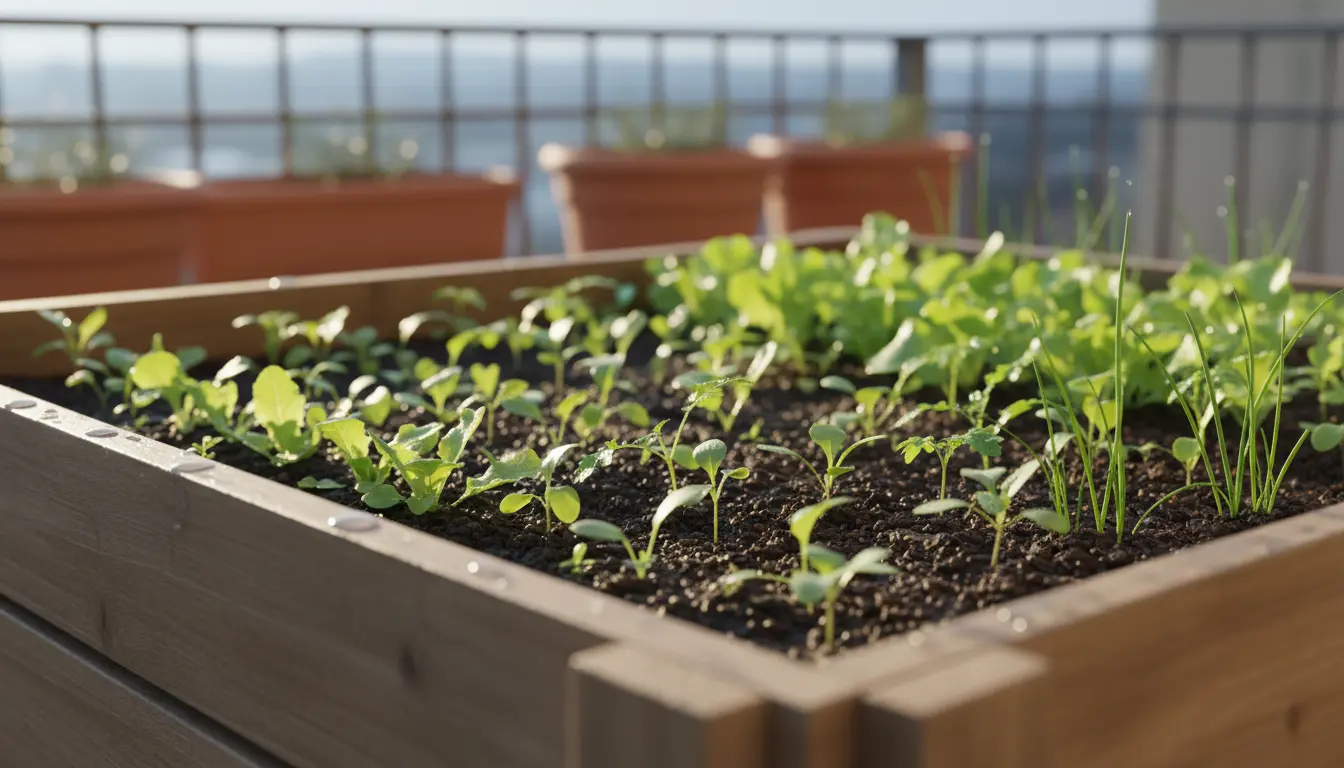
Why Start a Small Vegetable Garden
Growing a small vegetable garden saves money, improves food quality, and gives hands-on control over what you eat. Small gardens are easier to manage than large plots, and they fit balconies, patios, or small back yards.
This guide gives a clear, practical plan to set up a productive small vegetable garden and start harvesting quickly.
Choose the Right Location for a Small Vegetable Garden
Sunlight is the most important factor. Most vegetables need 6–8 hours of direct sun daily. Observe your space for 2–3 days to track sun angles and shade.
Also consider access to water, wind exposure, and proximity to your door. Closer gardens get more attention and better results.
Location checklist
- At least 6 hours of direct sun
- Easy access to a hose or watering can
- Good drainage (no puddles after rain)
- Protection from strong winds or pets
Decide on Growing Method: Containers, Raised Beds, or In-Ground
Small gardens work well with containers or raised beds because they let you control soil quality and reduce bending. In-ground is fine if soil is healthy.
Choose based on budget, space, and how long you plan to garden.
Pros and cons
- Containers: Good for balconies, portable, warms quickly in spring. Require frequent watering.
- Raised beds: Better soil control, less compaction, easier weeding. Initial cost for materials.
- In-ground: Cheapest if soil is good, holds moisture well. May need soil improvement.
Prepare Soil for a Small Vegetable Garden
Healthy soil is the foundation. Aim for loose, crumbly soil rich in organic matter and good drainage.
Test or observe: if your soil is heavy clay, add compost and coarse sand. If it’s very sandy, add compost and composted manure to improve water retention.
Basic soil mix for raised beds or containers
- 40% topsoil or screened garden soil
- 40% high-quality compost
- 20% coconut coir or peat moss for moisture retention
Pick Easy, Fast-Growing Vegetables
For quick success, choose crops that mature fast and are forgiving. Good choices include lettuce, radishes, spinach, baby carrots, bush beans, and cherry tomatoes.
Start with a mix of leafy greens (quick), root crops (moderate), and one fruiting plant like tomato or pepper for variety.
Planting schedule (example for temperate climates)
- Early spring: peas, radishes, spinach, lettuce
- Late spring: tomatoes, peppers, beans
- Late summer: fall greens, carrots
Planting and Spacing Tips
Follow seed packet or plant tag spacing, but use succession planting for continuous harvests. For example, sow salad lettuce every two weeks in small rows.
Use vertical supports for vining plants to save space and increase yield.
Watering, Feeding, and Maintenance
Water consistently: small gardens dry out quickly. Aim for deep, infrequent watering that moistens the root zone.
Feed with balanced organic fertilizer or regular compost tea every 3–4 weeks for heavy feeders like tomatoes.
Daily and weekly tasks
- Daily: quick check for pests and soil moisture
- Weekly: water deeply, remove weeds, harvest ripe produce
- Monthly: add compost or light fertilizer as needed
Pest and Disease Basics for Small Vegetable Gardens
Healthy plants resist pests. Use crop rotation, clean up fallen leaves, and practice companion planting to reduce problems.
For common pests, hand-pick slugs, use insecticidal soap for aphids, and apply row covers early in the season if needed.
Harvesting and Extending Your Season
Harvest frequently to encourage more production—pick lettuce leaves or peas when young for best flavor. For tomatoes and peppers, harvest when fully colored.
Use shade cloth for intense summer sun and frost cloth to extend the season in spring or fall.
Planting marigolds near tomatoes can reduce some soil nematode damage and help deter pests like whiteflies.
Small Case Study: Compact Raised Bed Success
Anna, a city apartment renter, used one 4×4 foot raised bed on her balcony. She filled it with a homemade mix of compost and topsoil, then planted a row of lettuce, a couple of tomato seedlings, and a trellised cucumber.
Within six weeks she harvested baby lettuce and radishes. By mid-summer she had several pounds of cherry tomatoes and fresh cucumbers, proving a small space can be very productive.
Simple Example Planting Plan for a 4×4 Bed
- North side: Tomato (1 plant) with a 4 ft stake
- Center rows: Lettuce (6-8 plants) and spinach mixed for succession
- South side: Bush beans (6 plants) and a few radishes between rows
Final Tips to Start a Small Vegetable Garden
- Start small and expand as you gain confidence.
- Keep a simple journal to track planting dates and harvests.
- Invest in good soil and a reliable watering routine; they matter more than fancy tools.
With consistent care and simple planning, a small vegetable garden can supply fresh produce through the growing season and give you the skills to scale up later.