
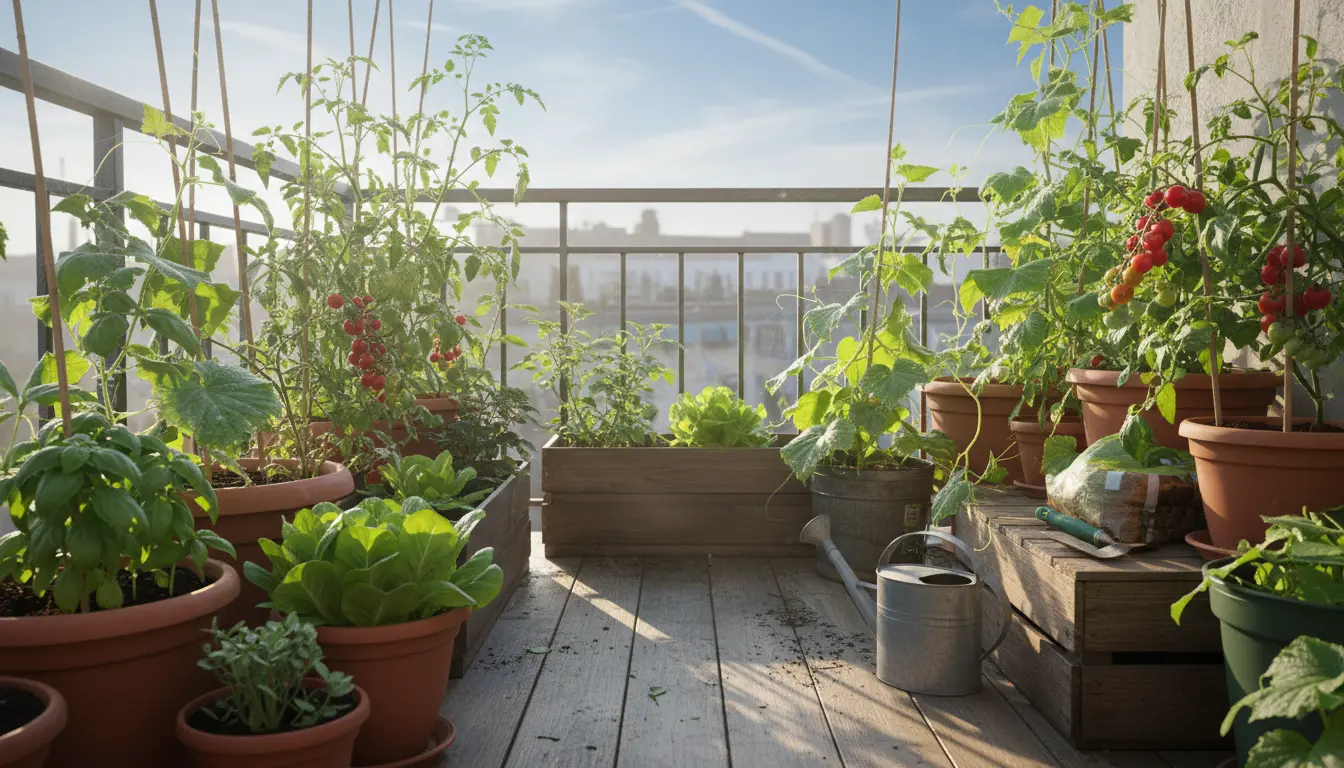
Starting a small vegetable garden at home is practical and rewarding. This guide covers planning, soil, planting, and maintenance so you can grow reliable produce even with limited space.
Plan Your Small Vegetable Garden
Choose the right location first. Most vegetables need 6–8 hours of direct sunlight; a sunny balcony, patio, or small patch of yard is ideal.
Decide on a planting method: raised beds, containers, or in-ground rows. Each method suits different spaces and budgets.
Checklist for planning
- Measure available space and note sun exposure at different times of day.
- Decide how much time you can spend on maintenance each week.
- Pick 4–8 easy starter vegetables suited to your climate.
Choose Plants for a Small Vegetable Garden
Select compact, high-yield varieties for small spaces. Look for terms like bush, compact, or dwarf on seed packets.
Good starter vegetables for small gardens include tomatoes (bush varieties), lettuce, radishes, spinach, peppers, bush beans, and herbs.
Companion planting and rotation
Use companion plants to repel pests and maximize yield. For example, plant basil near tomatoes to improve flavor and deter pests.
Rotate families each season when possible to reduce disease buildup—move leafy greens away from where they grew last season.
Prepare Soil and Containers
Soil quality is the most important factor for a small vegetable garden. If using containers, choose a high-quality potting mix with good drainage.

For raised beds or in-ground plots, mix compost into the top 6–12 inches of soil. Aim for a loose, crumbly texture and neutral pH when possible.
Soil tips for productivity
- Add 2–3 inches of compost each year to maintain fertility.
- Use a slow-release organic fertilizer at planting and side-dress with compost mid-season.
- Mulch around plants to conserve moisture and suppress weeds.
Planting and Layout for a Small Vegetable Garden
Maximize space with staggered and vertical layouts. Use trellises, cages, and shelves to grow upward instead of outward.
Plant fast-maturing crops between slower-growing plants. For example, sow radishes or lettuce between tomato seedlings; they will be harvested before tomato plants need the space.
Spacing examples
- Tomatoes (bush): 18–24 inches apart in containers or beds.
- Leafy greens: 6–8 inches apart; can be planted densely and thinned.
- Bush beans: 3–6 inches apart in rows or clusters for succession sowing.
Watering and Care for Small Vegetable Gardens
Consistent watering matters more than frequent watering. Aim to keep soil evenly moist but not waterlogged.
Use drip irrigation, soaker hoses, or a watering can with a gentle rose to avoid compacting soil and damaging seedlings.
Pest and disease management
Inspect plants weekly. Remove damaged leaves, handpick pests, and use row covers for early protection.
Start with non-chemical controls: neem oil, insecticidal soap, and beneficial insects like ladybugs for aphid control.
Maintenance Tasks for Ongoing Success
Schedule small weekly tasks: watering, checking supports, harvesting ripe produce, and weeding. Short regular checks prevent bigger problems.
Track what you plant and where with a simple notebook. Note varieties, planting dates, and harvest yields to improve planning next season.
Seasonal tasks
- Spring: soil prep, sow cool-season crops, install supports.
- Summer: mulching, pest control, regular harvesting.
- Fall: remove spent plants, add compost, plant cover crops if needed.
Containers can warm up faster than ground soil, allowing an earlier start in spring. Use black or dark-colored pots to absorb heat and extend the growing season in cool climates.
Small Vegetable Garden Case Study
Case Study: A balcony gardener named Maria used two 12-inch deep containers, one 4×2-foot raised trough, and a vertical trellis to grow a mix of crops.
She chose cherry tomatoes (bush type), a variety of lettuce, parsley, and dwarf peppers. With weekly compost top-ups and drip irrigation, she harvested fresh salad ingredients for a family of two for five months.
Key outcomes: consistent yields, minimal pest problems due to regular checks, and a 30% reduction in grocery salad purchases during the season.
Quick Start Checklist for a Small Vegetable Garden
- Pick a sunny spot and measure available space.
- Choose 4–8 compact vegetable varieties suitable for your climate.
- Prepare soil or buy quality potting mix and add compost.
- Plant with proper spacing and add supports for vertical growth.
- Water consistently and inspect weekly for pests and disease.
Starting a small vegetable garden at home is achievable with basic planning, the right plants, and simple care routines. Focus on improving soil and regular maintenance, and you will enjoy fresh, homegrown produce even in limited spaces.