
Planning Your Small Vegetable Garden
Starting a small vegetable garden begins with a simple plan. Decide goals: fresh salad greens, herbs, or a few tomato plants for summer.
Measure available space and check sunlight. Most vegetables need at least 6 hours of direct sun per day.
Choosing Location for a Small Vegetable Garden
Pick a spot with the best sunlight and easy access to water. Consider on-ground beds, raised beds, or containers depending on space and soil quality.
Also think about wind protection and proximity to your kitchen for convenient harvests.
Planting companion plants like basil near tomatoes can reduce pests and improve flavor. Small gardens benefit most from thoughtful plant pairings.
Design Choices for a Small Vegetable Garden
Choose a layout that fits your daily routine and space. Popular options are a single raised bed, a row of containers, or vertical trellises for vining crops.
Keep pathways narrow and beds accessible. Aim for no spot more than 3 feet from a path for easy maintenance.
What to Grow in a Small Vegetable Garden
Select high-yield, space-efficient vegetables. Try:
- Leafy greens: lettuce, spinach, kale
- Compact fruits: cherry tomatoes, bush beans, peppers
- Herbs: basil, parsley, chives
- Root crops in deep containers: carrots, radishes
Choose varieties labeled ‘compact’, ‘patio’, or ‘bush’ for best results in small spaces.
Soil, Containers, and Tools for a Small Vegetable Garden
Good soil is the foundation of a productive small vegetable garden. If you use raised beds or containers, use a quality mix with compost and drainage.
A basic tool kit includes a trowel, hand fork, watering can or hose with a gentle nozzle, and a pair of pruning shears.
Soil Preparation for a Small Vegetable Garden
Test your soil if planting in-ground. Amend heavy clay with compost and grit to improve drainage. Add organic matter to sandy soils to increase water retention.
For containers, use a sterile potting mix and mix in slow-release organic fertilizer or compost for steady nutrients.
Planting and Maintenance for a Small Vegetable Garden
Follow seed packet or plant label spacing to avoid overcrowding. In small gardens, you can interplant fast-growing crops with slower ones to maximize yield.
Mulch around plants to conserve moisture, suppress weeds, and keep soil temperature stable.
Watering, Feeding, and Pest Management in a Small Vegetable Garden
Water deeply and less frequently to encourage strong roots. Most vegetables need about 1 inch of water per week, more in heatwaves.
Fertilize regularly with balanced organic fertilizer or compost tea. Monitor plants for pests and use physical controls first: hand-pick, use row covers, or introduce beneficial insects.
Seasonal Care and Crop Rotation in a Small Vegetable Garden
Rotate crops each season to minimize soil-borne diseases and nutrient depletion. Move families of plants (nightshades, brassicas, legumes) to different beds each year.
Use succession planting to keep beds productive: sow new greens every 2–3 weeks for a continuous harvest.
Extending the Season in a Small Vegetable Garden
Use cold frames, cloches, or row covers to extend growing into early spring and late fall. Containers can be moved to warmer spots during cold snaps.
Choose fast-maturing varieties for short seasons to ensure harvest before frost.
Harvesting and Storage Tips for a Small Vegetable Garden
Harvest regularly to encourage new growth. Pick leafy greens when young for the best flavor, and harvest tomatoes when fully colored but still firm.
Store produce properly: root crops in cool, dark places; leafy greens wrapped in damp cloth in the fridge; tomatoes at room temperature for best taste.
Common Mistakes to Avoid in a Small Vegetable Garden
- Overwatering or underwatering due to inconsistent schedule.
- Overcrowding plants, which increases disease pressure and reduces yield.
- Neglecting soil health—compost and organic matter matter more than fertilizers alone.
Small Real-World Example
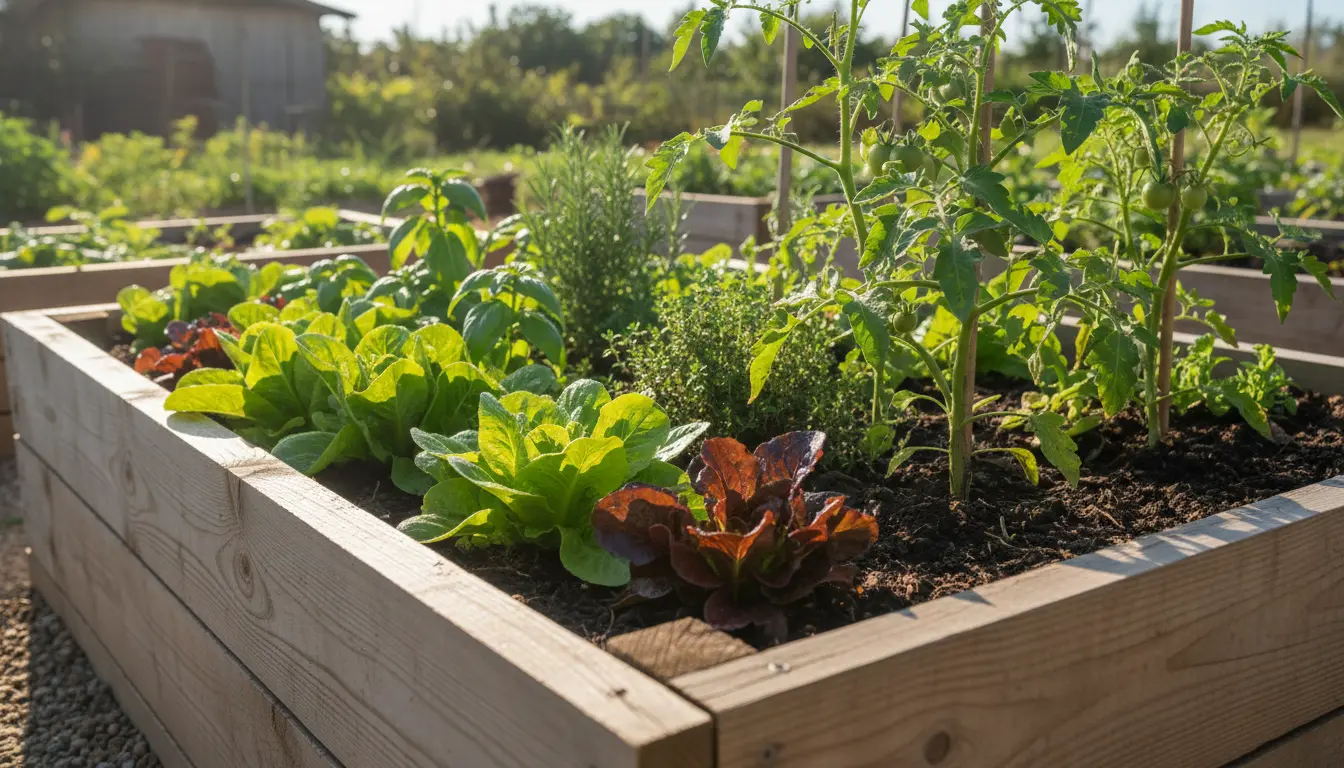
Case study: A 4×4 foot raised bed on a city balcony produced a season’s worth of salad greens and two tomato plants. The gardener used a 50/50 mix of compost and potting soil, staggered lettuce sowings, and used a single trellis for indeterminate cherry tomatoes.
Result: Continuous salads from May through October and a steady supply of tomatoes. Minimal pest issues were managed with hand-picking and floating row cover during peak insect weeks.
Quick Start Checklist for a Small Vegetable Garden
- Choose the sunniest spot and decide between bed or containers.
- Pick 3–6 easy crops with compact varieties.
- Prepare soil or container mix and add compost.
- Water regularly, mulch, and monitor for pests.
- Harvest often and rotate next season.
Starting a small vegetable garden is a manageable project that rewards planning and regular care. With the right layout, soil, and plant choices, even limited space can produce fresh, healthy food.