
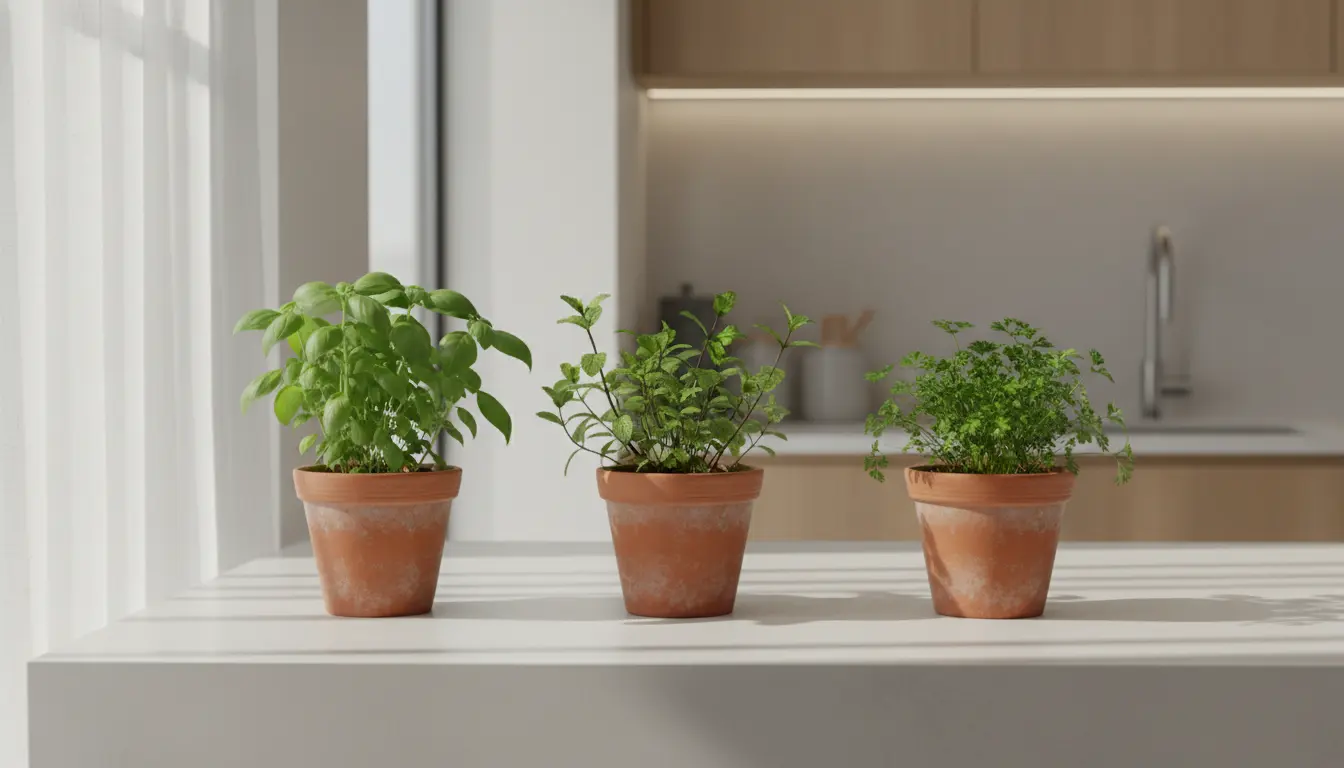
Starting a small herb garden at home is an easy way to add fresh flavor to meals and bring a bit of green into a small space. This guide covers practical steps you can follow whether you have a windowsill, balcony, or a tiny patch of yard.
Why start a small herb garden
A small herb garden saves money and gives you fresh ingredients on demand. Herbs are forgiving, require minimal space, and provide sensory benefits like scent and visual appeal.
For beginners, herbs are a low-risk way to learn basic gardening skills like watering, pruning, and pest observation.
Choosing plants for a small herb garden
Picking the right herbs makes your small garden successful. Choose herbs that match your cooking preferences and the light you have available.
Best herbs for beginners
- Basil – great for sunny spots and summer cooking.
- Parsley – tolerates light variations, useful year-round.
- Mint – very hardy but invasive outdoors, best in a pot.
- Chives – ideal for small pots, mild onion flavor.
- Thyme and oregano – drought-tolerant and compact.
Indoor vs outdoor small herb garden
If you have a sunny window (6+ hours of direct light), most Mediterranean herbs thrive indoors. For limited light, choose parsley, chives, and mint which tolerate less sun.
Outdoors you can grow the same herbs but plan for wind exposure and quick soil drying in containers.
Soil, containers, and location for a small herb garden
Good soil and the right container are essential for healthy herbs. Use a well-draining potting mix to avoid root rot and nutrient lockup.
Container tips
- Choose pots with drainage holes to prevent waterlogging.
- Use containers appropriate to the plant size—6–8 inch pots for single herbs, larger troughs for mixed plantings.
- Consider lightweight materials like plastic or resin if you move pots often.
Soil and fertilizer
Mix a general-purpose potting soil with a bit of perlite or coarse sand for drainage. Apply a balanced liquid fertilizer every 4–6 weeks during the growing season.
Avoid heavy garden soil in containers; it compacts and drains poorly.
Planting and care tips for a small herb garden
Planting herbs properly and following a simple care routine will keep them productive. Use quality starter plants or seeds based on your comfort level.
Planting steps
- Fill the container with potting mix, leaving 1–2 inches at the top.
- Make a hole slightly larger than the root ball and place the plant at the same depth it was in the nursery pot.
- Firm the soil gently and water thoroughly until excess drains.
Watering, pruning, and harvesting
Water when the top inch of soil feels dry. Herbs generally prefer consistent moisture but not soggy conditions.
Prune regularly to encourage bushy growth and prevent flowering if you want more leaves. Harvest by pinching or cutting stems just above a node to stimulate new growth.
Troubleshooting common issues in a small herb garden
Even simple gardens can experience pests, nutrient deficiencies, or watering problems. Spot issues early and act quickly.
Common problems and fixes
- Yellow leaves: Check watering and drainage. Yellowing often means overwatering or poor drainage.
- Leggy growth: Move herbs to brighter light or pinch back stems to promote compact growth.
- Pests (aphids, spider mites): Spray plants with water or use an insecticidal soap for control.
- Mint overtaking other plants: Keep mint isolated in its own pot to prevent spreading.
Many herbs are perennial in warm climates and will come back year after year. Thyme, oregano, and chives often survive mild winters and can mature into larger clumps over time.
Case study: Balcony herb garden
Maria, a city dweller with a small balcony, started a three-pot herb garden to cook with fresh ingredients. She chose basil, parsley, and chives and placed them on a sunny rail shelf.
She used 8-inch pots with drainage, a quality potting mix, and rotated pots weekly for even light exposure. Within six weeks, she had frequent harvests and cut her grocery herb purchases by half.
Key takeaways from Maria’s case: choose compact containers, monitor water closely in hot weather, and harvest often to encourage growth.
Quick setup checklist for a small herb garden
- Decide between indoor or outdoor location based on light.
- Choose 3–5 beginner-friendly herbs you use often.
- Buy pots with drainage and a well-draining potting mix.
- Plant, water thoroughly, and place in your chosen spot.
- Follow routine pruning, watering, and occasional fertilizing.
Starting a small herb garden is achievable in a weekend and rewarding over the long term. With the right plant choices, proper containers, and simple care, you can enjoy fresh herbs year-round even in a small space.