
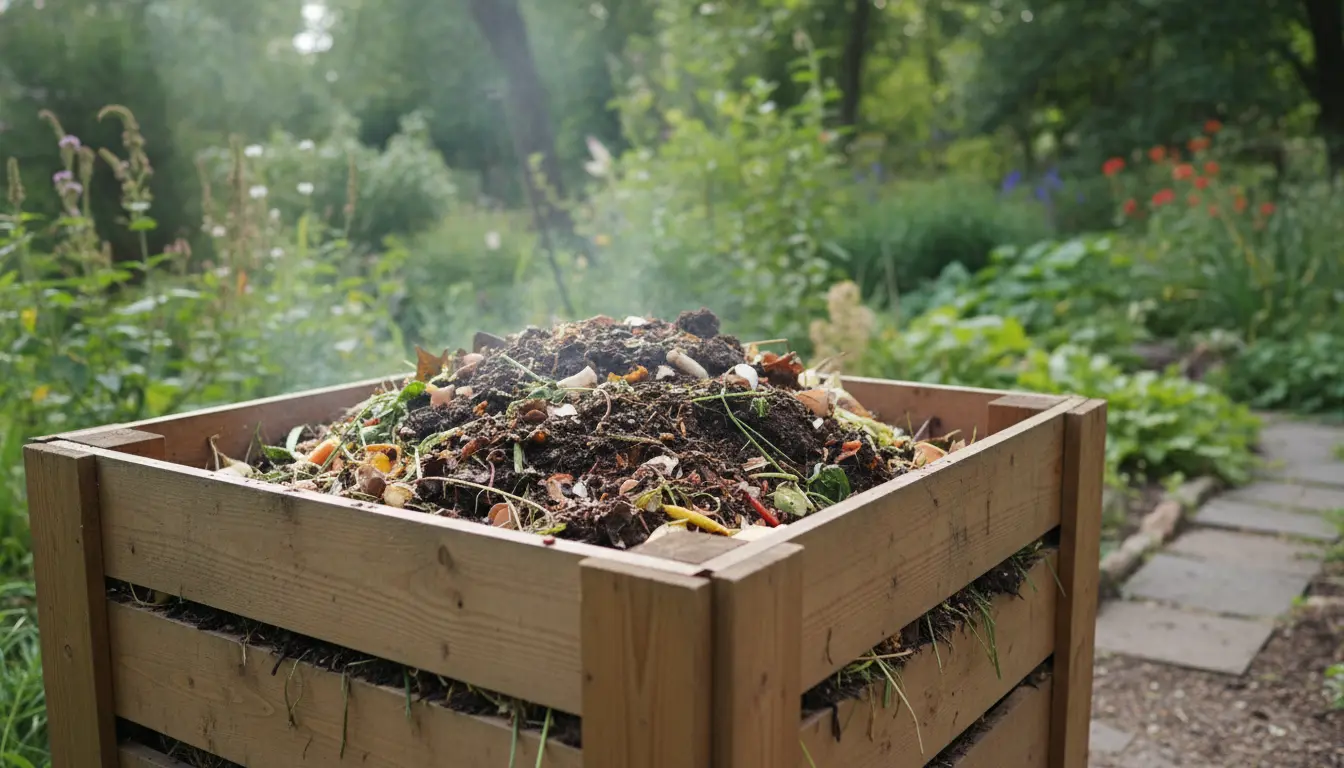
Composting is a practical way to reduce kitchen waste and produce rich soil for plants. This guide explains the basics and gives step-by-step instructions so you can begin composting at home with confidence.
Why composting at home matters
Composting diverts organic waste from landfills and reduces methane emissions. It also creates nutrient-rich humus that improves soil structure and plant health.
Basic composting principles
Successful composting is about balancing four factors: carbon, nitrogen, air, and moisture. Understanding these will help you maintain a healthy pile that breaks down quickly.
Carbon and nitrogen
Carbon-rich materials (browns) provide energy and structure. Nitrogen-rich materials (greens) supply protein for microbes. Aim for roughly a 25–30:1 carbon-to-nitrogen ratio.
- Common browns: dry leaves, straw, shredded paper, cardboard
- Common greens: vegetable scraps, coffee grounds, fresh grass clippings
Air and moisture
Microbes need oxygen and moisture to break down materials. The pile should be as damp as a wrung-out sponge and turned occasionally to introduce air.
Choosing a composting method
Pick a method that matches your space, time, and needs. Each method works with the same basic inputs but differs in speed and maintenance.
Bin composting
Bins keep the pile tidy and deter pests. Use a plastic or wooden bin with drainage and air holes, or buy a purpose-built tumbler for faster turning.
Hot composting
Hot composting reaches higher temperatures and breaks material down within weeks. It needs regular turning and proper carbon-to-nitrogen balance.
Cold composting
Cold composting is low-maintenance and takes months to a year. Add scraps as they come and let nature do the work with occasional mixing.
Step-by-step: How to start composting at home
Follow these steps to establish a basic bin and maintain it until you have finished compost.
- Choose a location: pick a level, partly shaded spot with good drainage.
- Set up the bin: assemble or place your compost container on bare soil to allow worms and microbes in.
- Layer materials: start with coarse browns for airflow, then alternate greens and browns in 4–6 inch layers.
- Moisten: add water if materials are dry; aim for damp, not soggy.
- Turn: every 1–2 weeks for hot composting, or every month for cold piles, to add oxygen and mix materials.
- Monitor: check temperature, moisture, and smell. Healthy compost should smell earthy, not rotten.
What to add and what to avoid
Good additions speed decomposition. Avoid items that attract pests or carry disease.
- Safe: fruit and vegetable scraps, coffee grounds, eggshells, yard trimmings, shredded paper
- Avoid: meat, dairy, oils, diseased plants, pet waste, large woody branches
Troubleshooting common issues when you start composting at home
Small problems are normal and easy to fix with simple adjustments.
Bad odor
Cause: too much nitrogen or poor airflow. Fix: add more browns and turn the pile to introduce air.
Pile too dry or too wet
If dry, add water and greens. If waterlogged, add dry browns and mix to increase aeration.
Slow decomposition
Cause: materials too large or cold conditions. Fix: shred or chop items, add greens, and turn more often to increase temperature.
When is compost ready to use?
Finished compost is dark, crumbly, and smells earthy. Most materials fully decompose in 2–12 months depending on method and conditions.
How to use finished compost
Blend compost into garden beds, use as a top dressing for lawns, or mix with potting soil for container plants. Start with a 1–3 inch layer mixed into the topsoil.
Small case study: A city balcony compost
Maria, a city apartment gardener, started a 20-gallon tumbler on her balcony. She used a mix of shredded cardboard, coffee grounds, and vegetable peels. By following a weekly turning routine and keeping the tumbler damp, she produced usable compost in about three months.
Result: Maria reduced her kitchen waste by half and used the compost to feed container herbs, which improved growth and reduced the need for store-bought fertilizer.
Quick checklist to start composting at home
- Choose a bin and location
- Balance browns and greens
- Keep moisture and airflow in check
- Turn regularly for faster results
- Use finished compost to enrich soil
Starting composting at home is simple and scalable. With a few basic tools and regular attention, anyone can turn kitchen and yard waste into a valuable resource for healthy plants.