
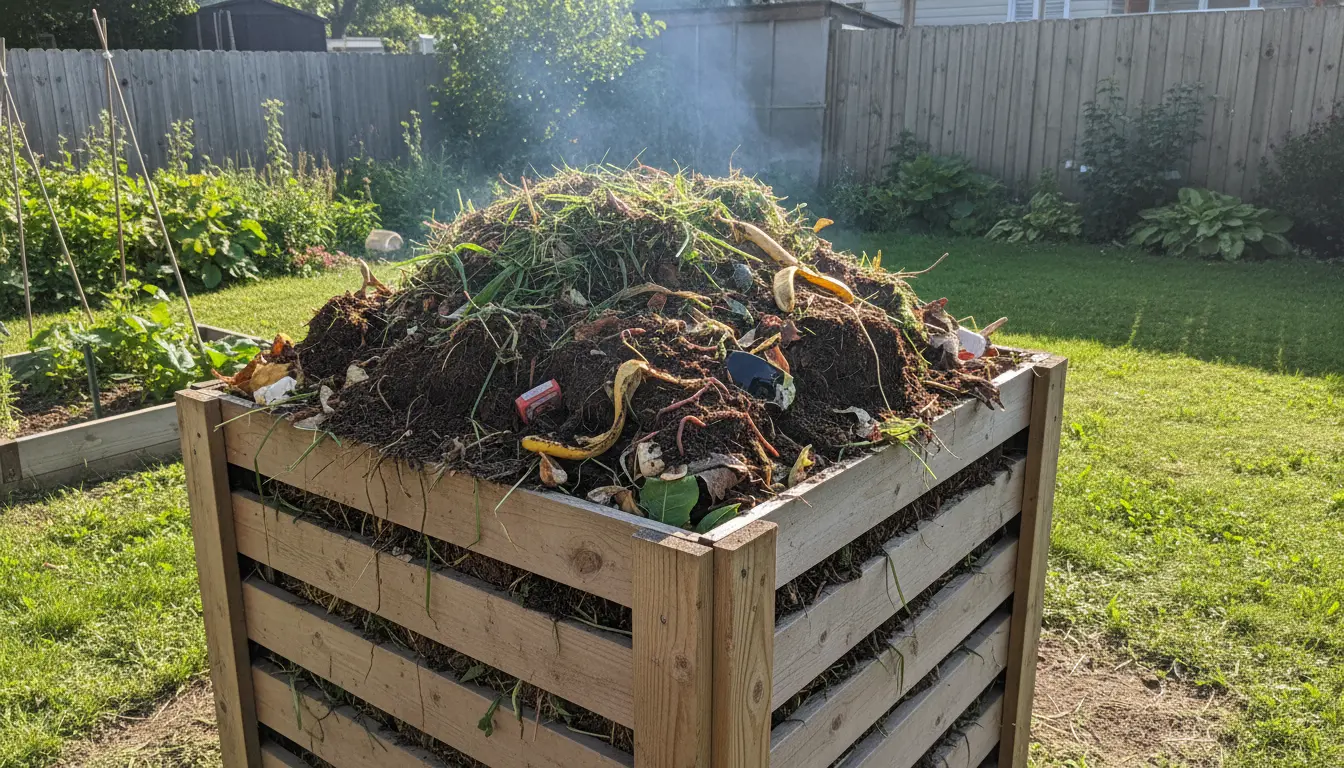
Why Home Composting Matters
Composting turns kitchen and yard waste into a valuable soil amendment. It reduces landfill waste and improves garden soil structure and nutrient content.
Starting composting at home is simple and affordable. This guide gives clear steps and practical tips to get you started and avoid common problems.
Choose a Composting Method for Home Composting
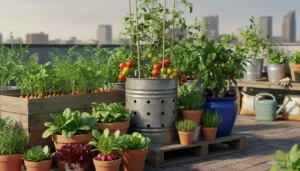
Pick a method that fits your space and time. Common choices are a simple compost pile, a bin, or worm composting (vermicomposting).
Each method has pros and cons for odor, speed, and maintenance. Choose one to match your goals.
Compost Bin
Bins keep the area tidy and can speed decomposition when turned regularly. Plastic or wooden bins work well for small yards.
Compost Pile
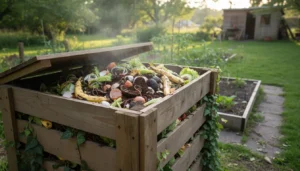
Piles need more space but are easy to start. They can be turned with a pitchfork for faster breakdown.
Worm Composting
Vermicomposting is ideal for apartments and small spaces. Special bins and red worms convert food scraps into rich castings.
What to Add: Greens, Browns, and Extras
Balance ‘greens’ (nitrogen-rich) and ‘browns’ (carbon-rich) for effective composting. The right balance prevents smell and supports microbial activity.
Typical green and brown materials include:
- Greens: fruit and vegetable scraps, coffee grounds, fresh grass clippings
- Browns: dried leaves, shredded paper, straw, cardboard
- Avoid: meat, dairy, oils, diseased plants, and pet waste
Practical Steps to Start Composting at Home
Follow these steps to build an effective compost system. Each step keeps your compost healthy and productive.
- Pick a spot with partial shade and good drainage to place your bin or pile.
- Start with a layer of coarse browns to allow air flow at the base.
- Add a mix of greens and browns in roughly 1:3 (greens to browns) volume for balanced C:N.
- Keep the pile moist like a wrung-out sponge; water lightly if it dries out.
- Turn or aerate every 1–2 weeks to introduce oxygen and speed up decomposition.
Troubleshooting Home Composting Problems
Some issues are common and easy to fix. Small adjustments usually solve them.
Bad Smell
Smelly compost is usually too wet or has too many greens. Add dry browns and turn the pile to add air.
Pile Not Heating
If the pile stays cool, add more greens or increase the size of the pile. A minimum volume about 1 cubic meter helps heat develop.
Fruit Flies or Pests
Cover fresh food scraps with a layer of browns. Use closed bins or bury scraps to deter pests. Avoid meat and dairy.
Speed and Temperature for Effective Composting
Hot composting (40–65°C) breaks materials faster and kills seeds and pathogens. It needs proper size and regular turning.
Cold composting is slower but low maintenance. It can still produce usable compost within months to a year.
How to Use Finished Compost in Your Garden
Finished compost is dark, crumbly, and smells earthy. Use it as a top dressing, soil amendment, or in potting mixes.
- Mix into planting beds at 10–20% by volume to improve structure.
- Top-dress lawns or around perennials to add slow-release nutrients.
- Use as potting mix component for seedlings and houseplants.
Composting diverts up to 30% of household waste from landfills. Food scraps and yard waste make up a large portion of everyday trash.
Simple Checklist for Starting Home Composting
- Choose bin or pile location
- Gather browns and greens
- Maintain moisture and aeration
- Turn regularly for hot composting
- Harvest finished compost after 2–12 months depending on method
Short Case Study: A Family Reduces Waste
Emily, a homeowner in Portland, started a backyard compost bin in spring. She kept a small kitchen pail for scraps and emptied it into the bin every few days.
Within six months she had usable compost. Her household waste to curbside trash dropped by roughly 40%, and her vegetable beds required less store-bought fertilizer.
Quick Examples and Tips for Success
- Example mix: 1 wheelbarrow of dried leaves + 1 bucket of kitchen scraps + water
- Tip: Shred or chop large items to speed decomposition
- Tip: Keep a container of dry leaves or shredded paper handy to quickly balance greens
Final Steps to Keep Composting Long Term
Start small and learn by doing. Monitoring moisture and balance will prevent most failures and make composting routine.
Composting at home saves money, closes the nutrient loop, and creates healthier soil for your plants. Begin with one bin and adjust as you learn.