
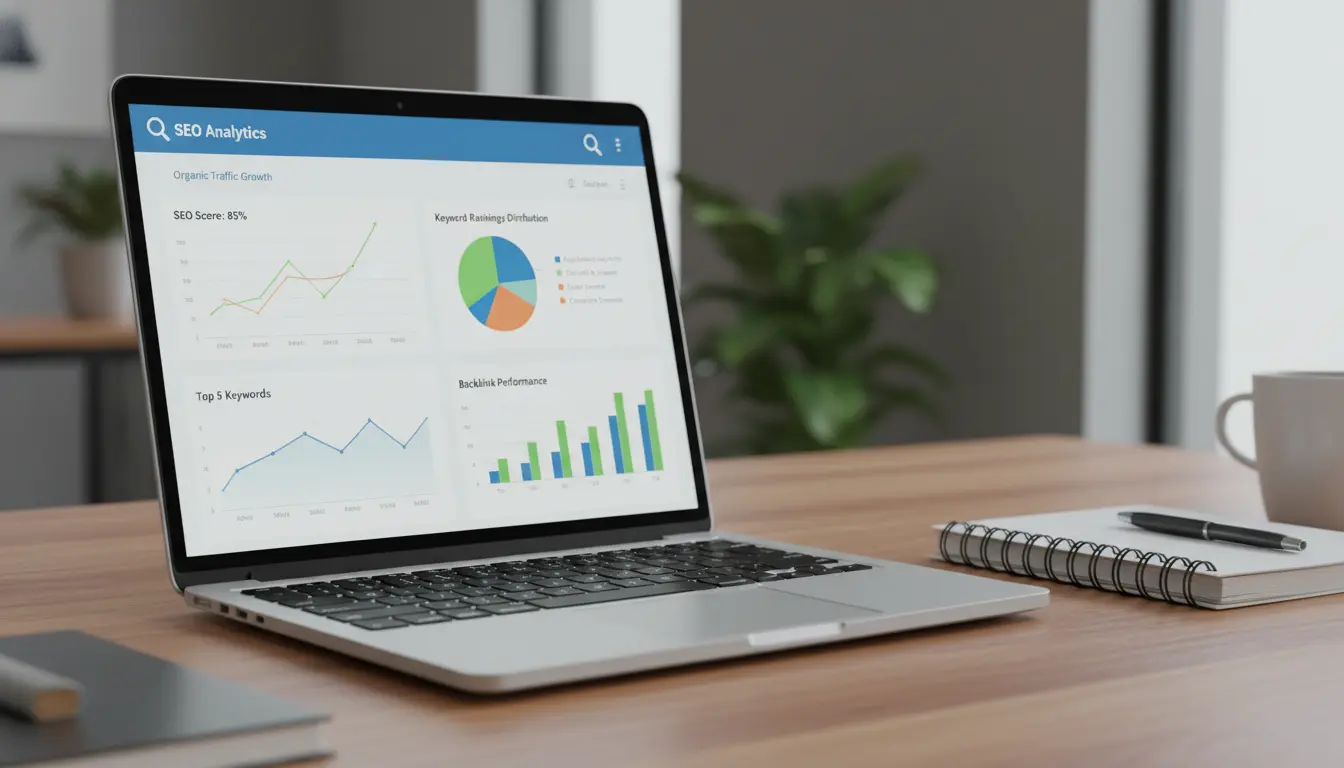
What is an on-page SEO checklist and why it matters
An on-page SEO checklist is a step-by-step list of tasks that ensure each web page is optimized for search engines and users. It covers elements like titles, content, images, internal links, and page speed.
Using a checklist makes optimization consistent and repeatable, helping you avoid common mistakes that reduce ranking potential.
Quick on-page SEO checklist overview
Start each page by running through this concise on-page SEO checklist before publishing. Treat it as a quality-control tool for every content piece.
- Target one clear keyword or topic per page
- Optimize the title tag and meta description
- Use clear, descriptive URLs
- Structure content with H2 and H3 headings
- Write helpful, original content over 800 words when needed
- Optimize images and add alt text
- Use internal links to related pages
- Check mobile usability and page speed
- Implement structured data where relevant
Title tags and meta descriptions
Title tags and meta descriptions are the first things searchers see. Make the title clear and include your target keyword near the start.
Keep titles under 60 characters and meta descriptions under 160 characters. Use the meta description to summarize the page benefit and include a call to action if appropriate.
Example title and meta for a blog post
Title: How to Prune Roses for Better Blooms | Beginner Guide
Meta: Learn simple rose pruning steps to boost blooms and plant health. Step-by-step tips for beginners.
URL structure and headings
Use short, readable URLs that include the target keyword. Avoid long query strings or numbers that add no meaning.
Headings (H1, H2, H3) help readers and search engines understand page structure. Use the main keyword in at least one H2 and naturally in subheadings.
Content quality and keyword placement
Prioritize helpful content written for humans. Use the target keyword in the first 100 words, but avoid keyword stuffing.
Include related terms and questions users might search. Break the page into short paragraphs and lists to improve readability.
Image optimization
Compress images to reduce file size and improve page speed. Use descriptive filenames and alt text that contains the keyword when relevant.
Example: filename “rose-pruning-step1.jpg” and alt text “Step 1 prune dead wood from rose bush”.
Internal linking and outbound links
Use internal links to point readers to related guides, products, or category pages. Choose descriptive anchor text rather than generic phrases like “click here.”
Link to authoritative external sources when they add value. This builds trust and context for search engines.
Mobile usability and page speed
Check mobile layout and ensure buttons and links are easy to tap. Google uses mobile-first indexing, so mobile issues can hurt rankings.
Run speed checks and address common slowdowns: large images, excessive scripts, and lack of caching. Aim for a load time under 3 seconds on mobile.
Structured data and rich snippets
Structured data helps search engines understand content and can enable rich results. Use schema for articles, products, recipes, FAQs, and events when relevant.
Validate your structured data with testing tools before deploying it to production.
Accessibility and semantic HTML
Use semantic HTML elements (header, nav, main, footer) and add alt text for images. Proper accessibility improves user experience and can indirectly benefit SEO.
Include clear link text, readable contrast, and logical tab order for keyboard users.
Final pre-publish checklist
- Does the title include the target keyword and match search intent?
- Is the meta description clear and compelling?
- Is the URL short and descriptive?
- Are headings used to break up content and include the keyword?
- Are images optimized with alt text and compressed?
- Are internal and external links in place and descriptive?
- Does the page load quickly on mobile and desktop?
- Is structured data implemented where useful?
Small case study: Local bakery increases organic traffic
A small bakery followed an on-page SEO checklist for their product pages. They focused on clear titles, descriptive URLs, improved images, and internal links to recipes.
Within 10 weeks they saw a 35% increase in organic visits to product pages and a 12% rise in online orders. The key actions were optimizing title tags, compressing images for faster loading, and adding recipe content that matched user intent.
Tools to help run your on-page SEO checklist
- SEO crawlers: to find broken links and missing tags
- Page speed tools: to test loading times and suggestions
- Content editors: to check readability and keyword use
- Schema testers: to validate structured data
Wrap-up and next steps
Use this on-page SEO checklist for each important page and update it as search engines evolve. Focus on user intent, clear structure, and fast performance.
Track changes in rankings and traffic after optimizations and iterate—small, consistent improvements compound over time.