
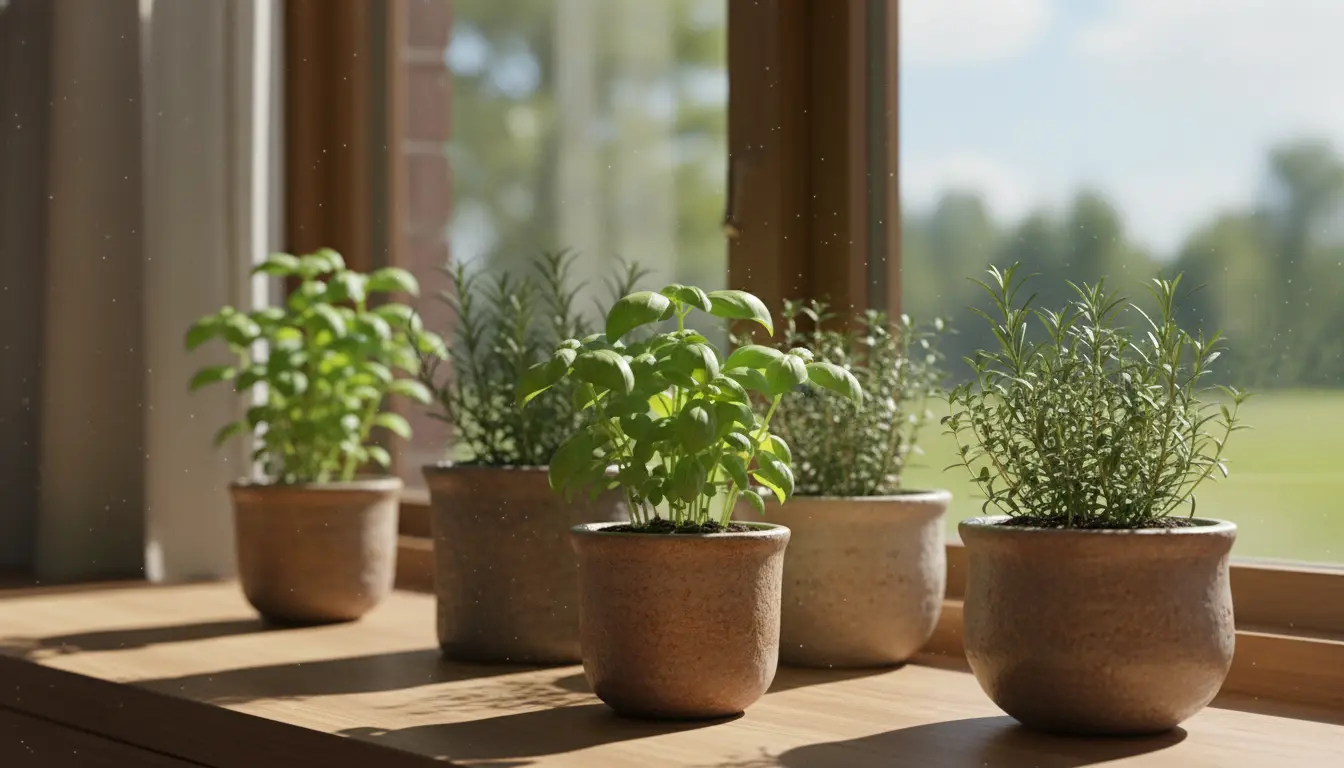
Indoor herb gardening for beginners is an approachable way to add fresh flavor to meals and greenery to living spaces. This guide breaks down the essential steps, equipment, and care tips to get started quickly and with minimal fuss.
Why choose indoor herb gardening for beginners
Growing herbs indoors saves money and offers immediate access to fresh ingredients. Herbs also adapt well to containers and small spaces, making them ideal for apartments and kitchens.
Beginner gardeners can expect fast results because many culinary herbs grow quickly and tolerate regular trimming.
Basic supplies for indoor herb gardening for beginners
You do not need much to begin. Focus on light, containers, potting mix, and basic tools.
- Containers with drainage holes (4–8 inches for most herbs).
- High-quality potting mix formulated for indoor plants.
- Liquid balanced fertilizer (diluted) for monthly feeds.
- Sunny windowsill or a simple grow light if natural light is limited.
- Hand trowel, pruning scissors, and a spray bottle for humidity.
Best herbs to start with
Choose herbs known for being forgiving and fast-growing. They build confidence and deliver harvests within weeks.
- Basil: Likes bright light and regular watering; great for windowsills.
- Mint: Very hardy but prefers separate containers to avoid spreading.
- Parsley: Slow to start but reliable once established.
- Chives: Compact and tolerant of moderate light.
- Cilantro: Fast-growing but prefers cooler indoor spots.
Light and placement tips for indoor herb gardening for beginners
Light is the most common limiting factor indoors. Aim for a south- or west-facing window when possible.
If natural light is less than 4–6 hours daily, use a full-spectrum LED grow light placed 6–12 inches above the plants.
Signs of insufficient light
- Leggy stems and stretched growth.
- Pale or small leaves.
- Slow growth despite proper watering.
Watering and soil guidance
Herbs prefer well-draining soil. Overwatering is a common mistake for beginners.
- Water when the top 1 inch of soil feels dry to the touch.
- Allow excess water to drain; do not let roots sit in water-filled saucers.
- Use a light, peat-free potting mix for airier drainage.
Fertilizing and pruning
Feed herbs lightly to encourage leaf production. A balanced liquid fertilizer applied at half strength once a month is sufficient for most indoor herbs.
Pruning is both a harvest method and a growth stimulant. Regular trimming keeps plants bushy and productive.
Pruning schedule
- Pinch or trim tips weekly for fast-growing herbs like basil and mint.
- Remove flower spikes to prevent bitter-tasting leaves for some varieties.
- For slower growers, trim lightly every 2–3 weeks to maintain shape.
Many herbs, including basil and mint, release more aromatic oils when slightly stressed by moderate sunlight and a light drying between waterings. This can intensify flavor for cooking.
Common problems and troubleshooting
Watch for these typical issues and take simple corrective actions.
- Yellow leaves: Often water-related—check drainage and watering routine.
- Pests (aphids, whiteflies): Wipe leaves with soapy water or use insecticidal soap.
- Leggy growth: Increase light intensity or rotate the pot regularly.
Harvesting and storing your herbs
Harvest regularly to encourage new growth. Cut stems in the morning after dew evaporates for strongest flavor.
For short-term storage, place trimmed stems in a glass of water in the fridge. For longer storage, dry or freeze herbs in small portions.
Practical example: Small windowsill herb setup
Case study: Anna, a city renter with limited space, started three 6-inch pots on a south-facing windowsill: basil, chives, and mint. She used a lightweight potting mix and a saucer for drainage. Anna watered when the top inch dried and fed monthly with diluted fertilizer.
Within three weeks, she harvested fresh basil for weekly pasta dishes. Rotating the pots weekly kept growth even. A single inexpensive LED lasted through winter months and maintained leaf quality.
Quick checklist to start your indoor herb gardening for beginners
- Choose 2–4 beginner herbs (basil, mint, chives).
- Use containers with drainage and light potting mix.
- Provide 4–6 hours of light or a grow light.
- Water when top 1 inch of soil is dry.
- Prune regularly and fertilize monthly at half strength.
Indoor herb gardening for beginners is low-cost and high-reward. With basic supplies and simple care routines, you can enjoy fresh herbs year-round. Start small, observe your plants, and adapt watering and light as you learn their needs.