
Why container vegetable gardening works
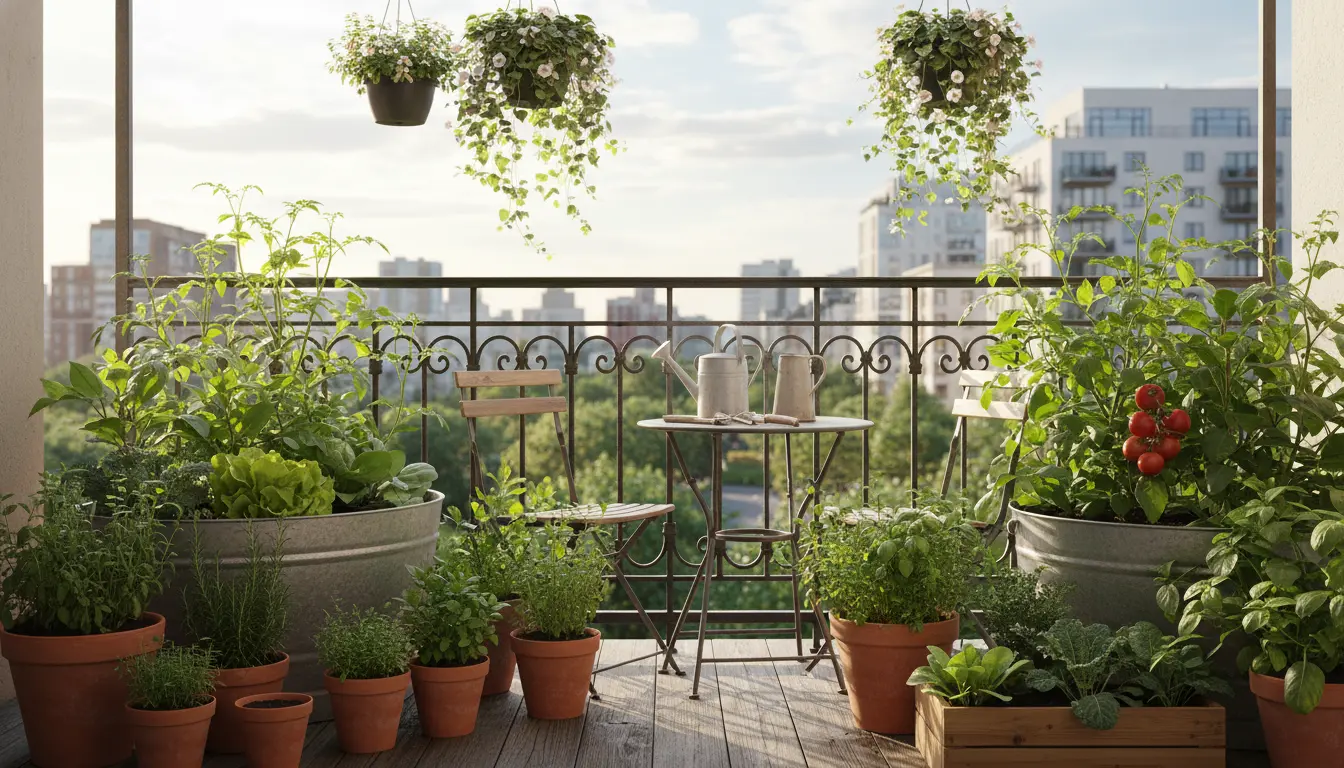
Container vegetable gardening brings growing food to small spaces like balconies, patios, and windowsills. It removes the need for ground soil and lets beginners control conditions more easily.
This method reduces weeding, improves drainage, and can extend the growing season with the right setup. It’s ideal for apartment dwellers and people with poor backyard soil.
Getting started with container vegetable gardening
Start by assessing available light, space, and your climate. Most vegetables need at least 6 hours of direct sun, so observe the area for a few days before planting.
Create a simple plan listing the vegetables you want, container locations, and a basic schedule for planting and watering. Keep the plan realistic for the space you have.
Choose the right spot
Place containers where they receive maximum sunlight and are easily accessible for watering. Consider wind exposure because strong gusts can dry soil quickly and damage plants.
Best containers and soil for container vegetable gardening
Container choice affects root health, moisture, and temperature. Use containers with drainage holes and choose sizes that match the plants’ root systems.
Good container soil mixes are light, well-draining, and nutrient-rich. Avoid using garden soil alone, which compacts in pots and limits root growth.
Container size and material
Shallow containers (6–8 inches) suit herbs and lettuce. Larger vegetables like tomatoes and peppers need 12–20 gallon containers for healthy root development.
Materials matter: clay pots breathe but dry faster, while plastic retains moisture and is lighter. Choose based on your watering routine and where you place the pots.
Recommended soil mix
- 2 parts peat-free compost or quality potting compost
- 1 part coarse sand or perlite for drainage
- 1 part well-rotted compost or worm castings for nutrients
Mix these components well. Add a slow-release granular fertilizer at planting time or use liquid feeds during the season.
Selecting vegetables for container vegetable gardening
Pick vegetables that perform well in containers and match your growing season. Start with easy, high-reward choices to build confidence.
Top container-friendly vegetables
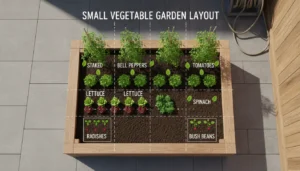
- Lettuce, spinach, and other leafy greens
- Cherry tomatoes and patio tomato varieties
- Peppers and chillies
- Radishes and baby carrots
- Bush beans and dwarf peas
Read seed packets for maturity dates and space requirements. Choose compact or bush varieties when available.
Planting, watering, and feeding in container vegetable gardening
Plant at the depth recommended on seed packets or plant labels and space seedlings according to their mature size. Avoid crowding to reduce disease risk.
Watering is the most common challenge. Containers dry out faster than garden beds, so check moisture daily in hot weather.
Watering tips
- Water until it runs from the drainage holes to ensure deep wetting.
- Water in the morning when possible to reduce evaporation and fungal risk.
- Mulch the container surface with straw or compost to retain moisture.
Feeding schedule
Use a balanced liquid feed every 2–3 weeks for heavy-feeding vegetables like tomatoes and peppers. For leafy greens, a higher nitrogen feed once every 2–3 weeks supports growth.
Slow-release fertilizer in the potting mix can reduce the need for frequent feeding, but monitor plant health and adjust as needed.
Maintenance and common problems in container vegetable gardening
Routine maintenance keeps plants productive. Prune, support, and inspect plants regularly for pests or nutrient deficiencies.
Common problems include overwatering, nutrient deficiency, and pests like aphids or slugs. Early detection avoids major crop loss.
Quick troubleshooting
- Yellow leaves: Check watering and nitrogen levels.
- Leggy seedlings: More light or thinner sowing density helps.
- Slow growth: Test feeding schedule and pot size—upgrade to a larger container if roots bind.
Tomatoes grown in containers can ripen faster than those in ground beds because pots warm up more quickly in spring. Using reflective mulch can further boost fruit production by increasing light and heat around plants.
Case study: A small balcony tomato success
Lisa, an apartment resident, grew three cherry tomato plants in 15-liter containers on a south-facing balcony. She used a peat-free potting mix with perlite and slow-release fertilizer at planting.
She watered daily during hot July weeks, fed with liquid tomato feed every 10 days, and provided small cages for support. By mid-August she harvested over 40 pints of cherry tomatoes—enough for salads and several jars of sauce.
Final checklist for container vegetable gardening
- Assess light and space before choosing plants.
- Pick containers with good drainage and appropriate size.
- Use a light, well-draining potting mix and feed regularly.
- Water consistently and mulch to conserve moisture.
- Monitor plants and act early on pests or nutrient issues.
Container vegetable gardening is a flexible, low-barrier way to grow fresh food. With the right containers, soil, and routine, even small spaces can produce a substantial harvest.