
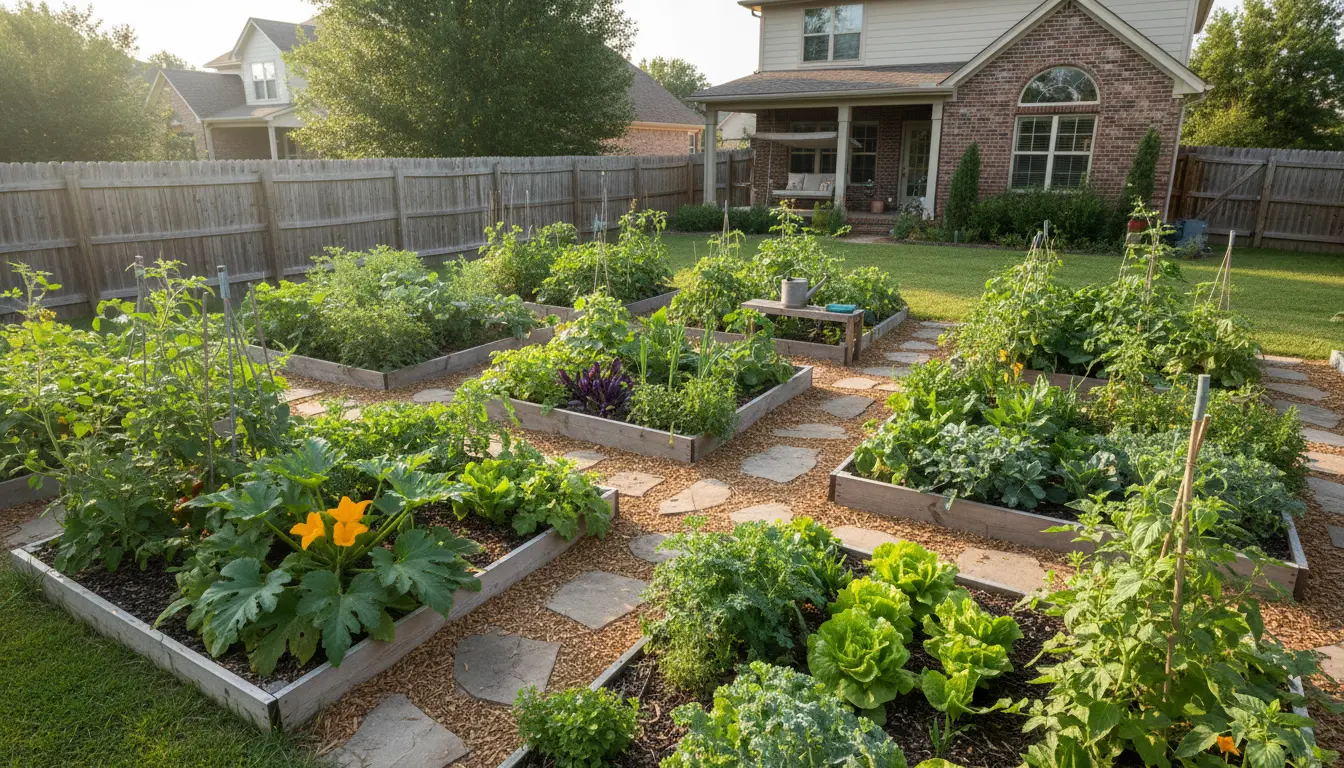
Why Start a Vegetable Garden
Starting a vegetable garden gives you fresh, flavorful produce and saves money on groceries. It also connects you to the seasons and reduces the environmental cost of store-bought produce.
How to Start a Vegetable Garden: Simple Planning
Good planning makes a garden easier to manage and more productive. Begin with a short list of crops you and your family like to eat and check their growing seasons.
Choose the Right Location
Sun exposure is the most important factor. Most vegetables need 6–8 hours of direct sun daily. Look for a level spot with good drainage and easy access to water.
Decide on Garden Type
Choose from raised beds, in-ground rows, or containers depending on space and soil quality. Raised beds warm faster in spring and offer better control over soil conditions.
How to Start a Vegetable Garden: Soil and Preparation
Healthy soil is the foundation of a productive garden. Test and amend soil before planting to ensure a balance of nutrients and good structure.
Test and Improve Soil
Use a simple soil test kit or send a sample to a local extension service. Aim for a pH around 6.0–7.0 for most vegetables.
Work organic matter into the soil: compost, well-rotted manure, or leaf mold. This improves water retention and nutrient availability.
Prepare Beds and Rows
Clear weeds and loosen the soil to a depth of 8–12 inches in beds. For compacted areas, double digging or using raised beds is often faster and more effective.
How to Start a Vegetable Garden: Planting Basics
Timing and spacing are key when planting. Follow seed packet instructions or transplant guidelines for your chosen crops.
Start from Seed or Transplants
Cool-season crops like lettuce and peas can be sown directly. Warm-season crops like tomatoes and peppers often perform better if started indoors and transplanted after frost danger passes.
Spacing and Succession Planting
Give plants enough room to mature; overcrowding reduces yields and raises disease risk. Use succession planting to maintain steady harvests, for example sowing lettuce every two weeks.
How to Start a Vegetable Garden: Watering and Fertilizing
Consistent water and a balanced feeding plan keep plants vigorous and productive. Avoid overwatering, which can cause root rot and nutrient leaching.
Watering Guidelines
- Water deeply once or twice a week rather than light daily watering.
- Use drip irrigation or soaker hoses to reduce evaporation and leaf wetness.
- Mulch around plants to conserve moisture and suppress weeds.
Feeding Your Plants
Apply a balanced organic fertilizer at planting and side-dress with compost or a low-nitrogen feed during the season. Observe plants for signs of deficiency like yellowing leaves.
How to Start a Vegetable Garden: Pest and Disease Management
Integrated pest management (IPM) focuses on prevention and uses targeted controls when needed. Regular observation is one of the best defenses.
Preventive Practices
- Rotate crops yearly to reduce soil-borne diseases.
- Remove diseased foliage and clean up plant debris in fall.
- Encourage beneficial insects by planting flowers like marigolds or dill.
Low-Toxicity Controls
Use barriers (row covers), hand-pick pests, or apply insecticidal soaps and neem oil for soft-bodied insects. Only use stronger pesticides as a last resort and follow label directions exactly.
Companion planting can reduce pests and improve yields. For example, planting basil near tomatoes may enhance tomato flavor and help deter certain insects.
How to Start a Vegetable Garden: Maintenance and Harvest
Regular maintenance keeps the garden productive. Spend short, consistent amounts of time each week weeding, checking irrigation, and scouting for pests.
Harvesting Tips
Pick vegetables at their peak for best flavor and to encourage continued production. For many crops, frequent harvesting increases total yield.
Small Real-World Example: Case Study
Case Study: A family of three started a 4×8 ft raised bed in spring. They chose cherry tomatoes, bush beans, lettuce, and herbs based on family preferences.
They amended the soil with 3 inches of compost, positioned the bed in full sun, and used drip irrigation on a timer. By midsummer they were harvesting salads twice a week and canned extra tomatoes in late summer.
Lessons learned: start small, choose easy crops, and water deeply. The family expanded to a second bed the next year after gaining confidence.
Quick Start Checklist to Start a Vegetable Garden
- Choose a sunny location with 6–8 hours of sun.
- Decide garden type: raised bed, containers, or in-ground.
- Test soil and add compost or amendments as needed.
- Select 4–6 easy crops you eat regularly.
- Plan planting dates and spacing, and set up watering.
- Mulch, monitor pests, and harvest regularly.
Final Tips to Start a Vegetable Garden Successfully
Start small to avoid becoming overwhelmed. Learn from each season and adjust plant choices and spacing accordingly.
Use local resources like extension services or garden clubs for region-specific advice. Over time you will refine your garden to match your tastes and climate.