
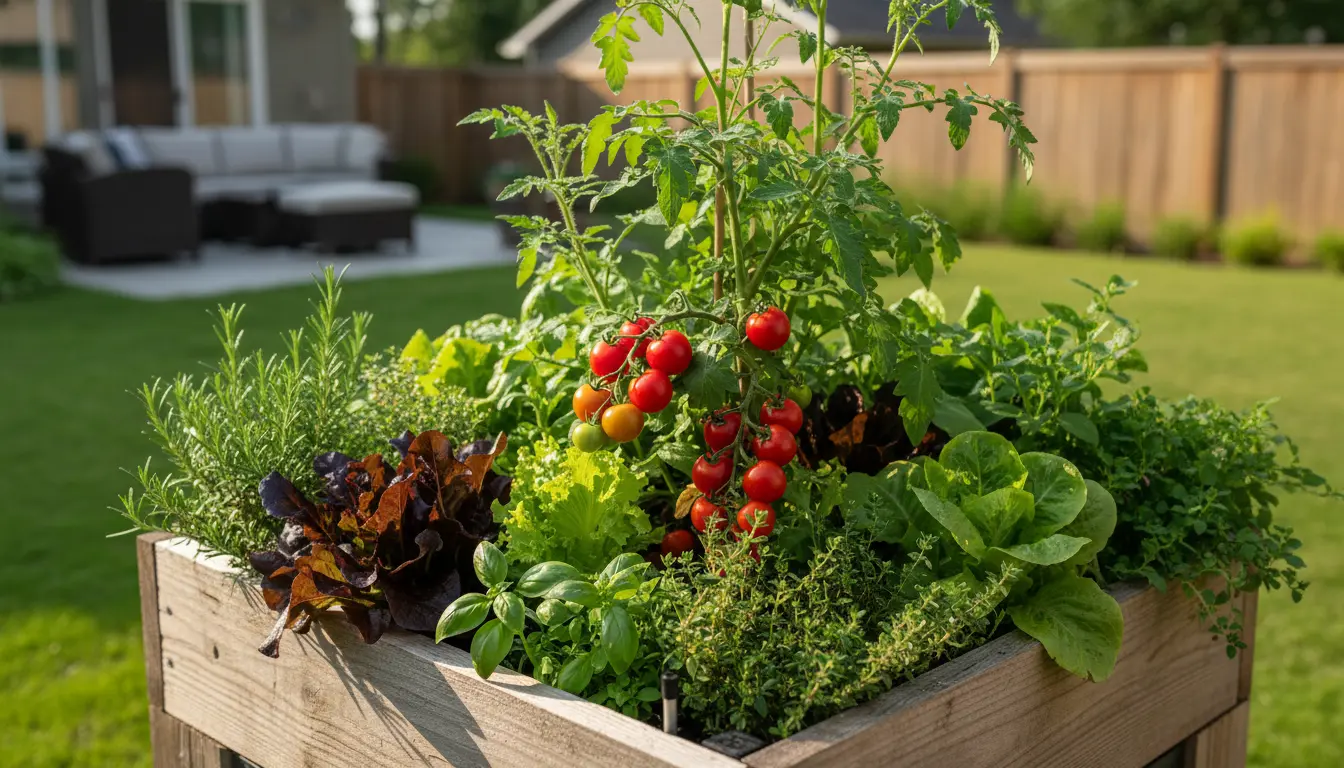
Starting a vegetable garden at home is practical and achievable for most people. This guide shows clear steps you can follow to plan, prepare, plant, and maintain a productive vegetable garden.
Plan Your Vegetable Garden Space
Decide where to place your garden before you buy seeds or soil. Choose a spot that gets at least 6 hours of direct sunlight and has relatively good drainage.
Measure the area and create a simple layout. Raised beds, containers, or in-ground rows work well depending on space and budget.
How to Start a Vegetable Garden: Layout and Size
Start small: a 4×8 foot raised bed can feed a small household. Smaller spaces like balconies need containers and vertical supports.
- Sunny location: 6–8 hours of sunlight daily.
- Easy access to water: within 50 feet of a faucet if possible.
- Good soil or raised beds for better control.
Prepare Soil and Beds for Your Vegetable Garden
Healthy soil is the foundation of a productive vegetable garden. Test soil pH and texture or assume average soil and improve it with organic matter.
Add compost, aged manure, or a balanced organic amendment to raise fertility and structure. Mix 2–4 inches of compost into the top 6–8 inches of soil.
Soil Tips for Beginners
Loosen compacted soil to allow roots to penetrate. Avoid working soil when it is soggy, as this can damage structure.
- pH target: Most vegetables prefer 6.0–7.0.
- Amendments: Compost, peat-free substitutes, or well-rotted manure.
- Mulch: Apply 2–3 inches of organic mulch to conserve moisture and suppress weeds.
Choose Vegetables to Plant
Select crops that match your climate, space, and eating habits. Beginner-friendly vegetables include lettuce, radishes, carrots, bush beans, tomatoes, and zucchini.
Plan succession planting to extend harvests. Plant cool-season crops in spring or fall, and warm-season crops after the last frost.
Vegetable Garden Planting Examples
- Lettuce, spinach: quick and cool, harvest in 30–60 days.
- Tomatoes, peppers: need warm weather and staking or cages.
- Carrots, beets: root crops that prefer loose soil.
Planting and Care in Your Vegetable Garden
Follow seed packet instructions for depth and spacing. Thin seedlings so remaining plants have room to grow.
Water regularly: most vegetables need about 1 inch of water per week. Use a soaker hose or drip irrigation for consistent moisture.
Watering and Fertilizing
Water at the base of plants to keep foliage dry and reduce disease. Morning watering is best to allow leaves to dry during the day.
Fertilize lightly with a balanced organic fertilizer at planting and again during the growing season as needed. Avoid over-fertilizing leafy crops if you want more flavor.
Common Problems and Practical Solutions
Pests, diseases, and weeds are common but manageable. Use integrated pest management: monitor, identify, and use targeted controls.
Row covers protect young plants from insects. Hand-pick pests like slugs and caterpillars or use biological controls like beneficial insects.
- Weeds: mulch and hand-weed regularly.
- Diseases: rotate crops and choose resistant varieties.
- Pests: use traps, barriers, or organic sprays when needed.
Harvesting and Storing Vegetables
Harvest regularly to encourage more production. Pick leafy greens young for better texture and flavor.
Store harvests properly: cool, dry storage for root crops, refrigeration for most vegetables, and blanch-and-freeze for long-term storage.
Small Case Study: Urban Balcony Vegetable Garden
A city renter used three large containers and vertical trellises to grow a seasonal supply of herbs, tomatoes, and salad greens. They started with potting mix and added compost at planting.
By watering with a drip bottle and staking tomatoes, the renter harvested fresh salad greens weekly and several pounds of tomatoes over the summer. Minimal space and simple care still yielded useful produce.
Planting marigolds near vegetables can help repel some insect pests and attract beneficial insects that improve pollination.
Practical Checklist to Start a Vegetable Garden
- Choose location with sun and water access.
- Decide bed type: raised, in-ground, or container.
- Test and amend soil or buy quality potting mix for containers.
- Select 3–6 easy vegetables for your first season.
- Water consistently and mulch to reduce work.
- Monitor for pests and rotate crops next year.
Starting a vegetable garden takes planning and small, consistent steps. By choosing the right spot, improving soil, and selecting suitable crops, even beginners can grow fresh vegetables at home.