
Why start a vegetable garden
Growing your own vegetables saves money, improves food quality, and gives reliable access to fresh produce. For beginners, a small, well-planned garden reduces common mistakes and speeds success.
How to Start a Vegetable Garden: Site and Layout
Choose a spot that gets at least six hours of sunlight for most vegetables. Avoid low, soggy areas and places under dense tree roots.
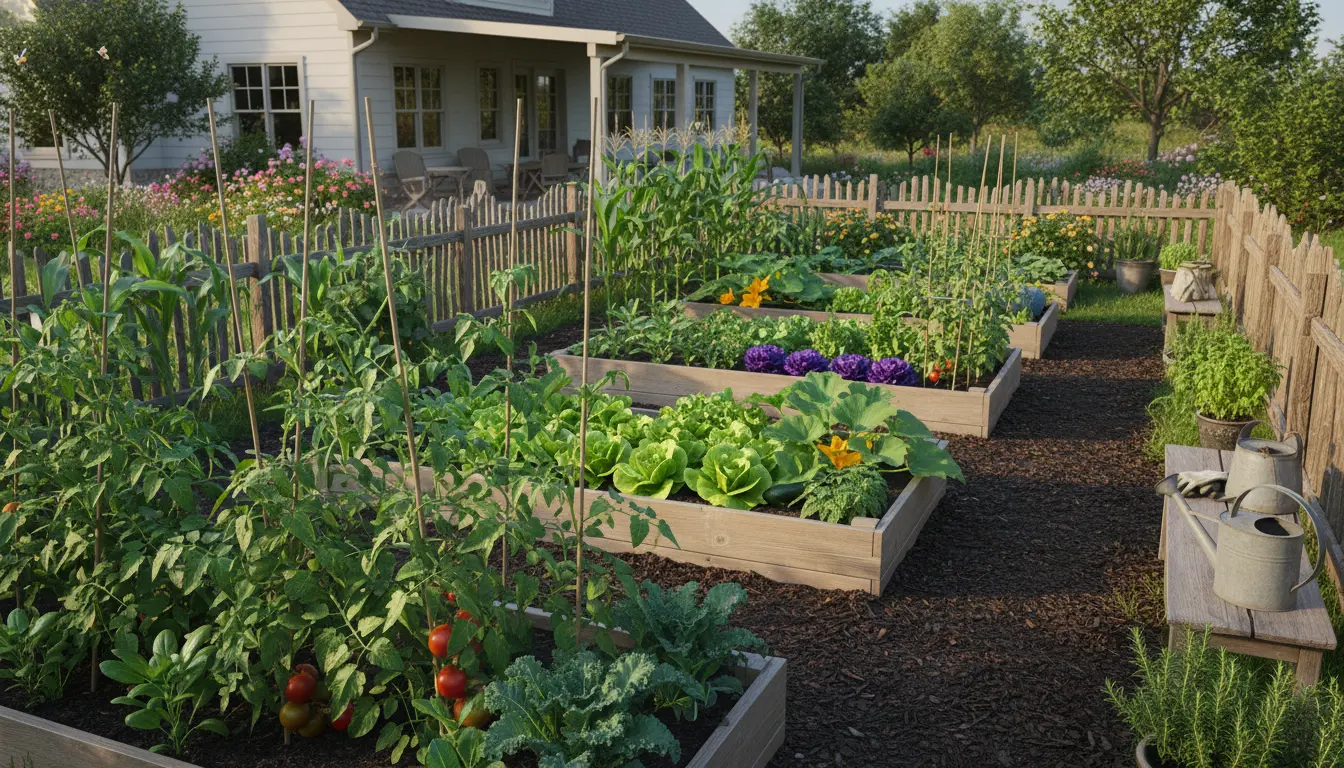
Decide on a layout: raised beds, containers, or in-ground rows. Raised beds warm faster in spring and limit soil compaction.
Quick checklist for site selection
- Sun: 6–8 hours daily for tomatoes, peppers, and cucurbits.
- Water access: hose or drip line within reach.
- Soil drainage: avoid puddles after rain.
- Protection: shelter from strong winds if possible.
Soil Preparation and Compost
Healthy soil is the most important factor. Most urban and suburban soils benefit from organic matter and basic testing.
Get a simple soil test kit or send a sample to a local extension office. Aim for a neutral pH (6.0–7.0) for most vegetables.
How to improve soil fast
- Add 2–4 inches of compost across the bed and mix into the top 6–8 inches of soil.
- Use well-rotted manure or leaf mold for organic matter.
- Avoid excessive tilling—light digging or double-digging for first time is sufficient.
How to Start a Vegetable Garden: Plant Selection
Start with easy, fast-maturing crops to build confidence. Choose varieties suited to your climate zone and season length.
Beginner-friendly vegetables
- Leafy greens: lettuce, spinach, and Swiss chard.
- Root crops: radishes, carrots, and beets.
- Warm-season staples: cherry tomatoes, bush beans, and peppers.
Consider starting some plants from seedlings and others from seed. Seedlings give a head start for slower crops like tomatoes.
Planting Tips and Timing
Follow spacing recommendations on seed packets or plant tags to reduce disease and improve yields. Plant at the right depth: usually twice the seed width for small seeds.
Stagger plantings (succession planting) every 2–3 weeks for continuous harvest through the season.
Example planting schedule
- Early spring: peas and radishes as soon as soil can be worked.
- After last frost: tomatoes, peppers, and beans.
- Late summer: sow fall crops like kale and cilantro for cooler weather.
Watering, Fertilizing, and Maintenance
Consistent watering is critical. Aim for 1–1.5 inches of water per week, delivered at soil level to keep leaves dry and reduce disease.
Use mulch to retain moisture, suppress weeds, and moderate soil temperature. Straw, shredded leaves, or wood chips work well for larger beds.
Simple fertilizing routine
- At planting: mix compost into the planting area.
- Mid-season: side-dress with compost or a balanced organic fertilizer.
- Follow label instructions for any commercial fertilizer to avoid burning plants.
Pest and Disease Basics
Monitor plants weekly. Early detection makes control easier and reduces loss.
Use these practical steps to minimize problems:
- Encourage beneficial insects with flowering plants like marigolds and alyssum.
- Hand-pick large pests such as slugs and caterpillars in the morning.
- Rotate crops yearly to reduce soil-borne diseases.
Interplanting basil with tomatoes can reduce some pests and improve tomato flavor according to many gardeners, while marigolds can deter certain nematodes when used as part of a crop rotation plan.
Harvesting and Storage
Harvest often to encourage continued production—picking beans and cucumbers regularly keeps plants producing. Harvest morning-sweet vegetables for best flavor preservation.
Store root crops in a cool, dark place and refrigerate tender greens. Freeze or can surplus tomatoes and peppers to extend homegrown benefits.
Small Real-World Case Study
Case: A first-time gardener used two 4×8 raised beds and followed a simple plan: compost-amended soil, tomatoes in one bed, succession-sown greens and radishes in the other.
Results: In the first season they harvested 25 pounds of tomatoes and weekly salads from greens. Mulch reduced watering frequency and improved yields. This small scale kept maintenance under 30 minutes a day in peak season.
Final Practical Tips
- Start small: one or two beds reduce overwhelm and increase learning speed.
- Keep a simple journal: planting dates, varieties, and harvest amounts help next season planning.
- Join a local garden group or extension service for region-specific advice.
How to start a vegetable garden is largely about small, consistent steps: pick a sunny site, improve the soil, choose easy crops, and water wisely. With a basic plan and weekly attention, most beginners succeed in their first season.