
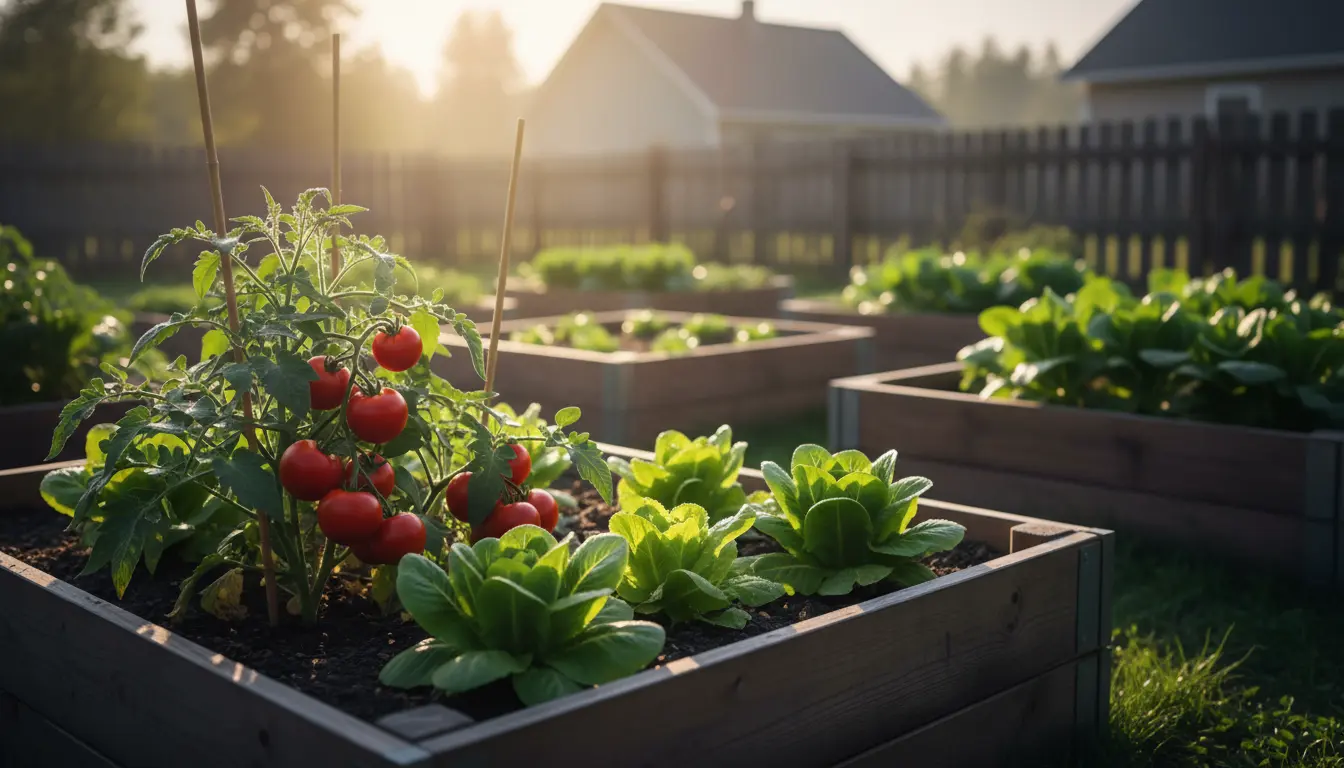
Why Start a Vegetable Garden
Starting a vegetable garden gives you fresh produce, saves money, and improves your outdoor space. It also connects you to seasonal food and reduces grocery trips.
This guide explains practical steps to start a vegetable garden, from planning through harvest. Follow clear actions and simple examples to get started this season.
Planning to Start a Vegetable Garden
Good planning reduces mistakes. Begin by deciding the garden size, layout, and the vegetables you want to grow.
Keep these planning tips in mind:
- Start small — a 4×8 foot bed is manageable for beginners.
- Choose vegetables you and your family like to eat.
- Plan for succession planting to extend harvests.
Choosing Site to Start a Vegetable Garden
Select a sunny area to start a vegetable garden. Most vegetables need 6–8 hours of direct sun daily.
Avoid low spots that collect water and aim for easy access to water for regular watering.
Preparing Soil and Beds to Start a Vegetable Garden
Soil quality is the most important factor when you start a vegetable garden. Test the soil or observe how existing plants perform.
Improve soil with organic matter and simple amendments.
- Loosen soil to a depth of 8–12 inches for rows or beds.
- Add 2–3 inches of compost and mix it in well.
- Use raised beds or containers if your native soil is poor.
Soil Testing and Amendments
A basic pH and nutrient test helps. Most vegetables prefer pH 6.0–7.0. Add lime to raise pH and sulfur to lower it if tests show extremes.
Organic fertilizers like well-rotted manure or balanced granular fertilizers provide predictable nutrients.
Planting and Care When You Start a Vegetable Garden
Decide between seeds and transplants. Seeds are cheaper and offer more variety, while transplants give a head start and faster harvests.
Follow planting depth and spacing on seed packets or plant tags to avoid overcrowding.
Watering and Mulching
Water consistently, especially during establishment. Most vegetables need about 1 inch of water per week, more in hot weather.
- Water early in the day to reduce disease risk.
- Use drip irrigation or soaker hoses for efficiency.
- Apply mulch to retain moisture and suppress weeds.
Feeding and Monitoring
Feed plants mid-season with a balanced organic fertilizer or compost tea. Monitor for nutrient deficiencies like yellowing leaves.
Regularly inspect plants for pests and diseases. Early action keeps problems small and manageable.
Common Problems After You Start a Vegetable Garden
Pests, fungal diseases, and poor yields are typical challenges. Use integrated pest management to reduce harm to beneficial insects.
- Handpick large pests like slugs and caterpillars.
- Encourage predators such as ladybugs for aphid control.
- Rotate crops yearly to limit soil-borne diseases and pests.
Companion Planting and Crop Rotation
Companion planting can deter pests and improve growth. For example, planting basil near tomatoes may enhance tomato flavor and repel flies.
Rotate families of vegetables each year (e.g., brassicas, legumes, nightshades) to maintain soil health.
Root vegetables like carrots and beets prefer cooler soil and benefit from sowing in early spring or late summer for fall harvests.
Harvesting Tips After You Start a Vegetable Garden
Harvest frequently to encourage continued production. Pick beans and squash when tender, and harvest herbs before flowering for best flavor.
Use clean tools and avoid tearing plants to reduce disease spread.
Storing and Using Your Harvest
Store root crops in a cool, dark place and refrigerate leafy greens promptly. Preserve surplus by freezing, canning, or fermenting.
Small Real-World Example: Sarah’s First Season
Sarah started a 4×8 raised bed in her suburban backyard. She chose tomatoes, lettuce, bush beans, and carrots. By following basic soil preparation and weekly watering, she harvested fresh salad greens for her family all summer.
Results after one season: two tomato plants produced about 25 pounds of fruit, and lettuce cut-and-come-again supplied salads for months. Her initial investment in soil and compost paid off in fresh food and lower grocery bills.
Quick Checklist to Start a Vegetable Garden
- Pick a sunny site with good drainage.
- Decide bed size and layout; start small.
- Test and improve soil with compost.
- Choose seeds or transplants suited to your climate.
- Water consistently and mulch to conserve moisture.
- Monitor pests; use organic controls where possible.
- Rotate crops and feed as needed.
Starting a vegetable garden is a rewarding, step-by-step process. With modest planning and regular care you can grow healthy vegetables even in small spaces. Begin this season with one or two beds and expand as you gain confidence.