
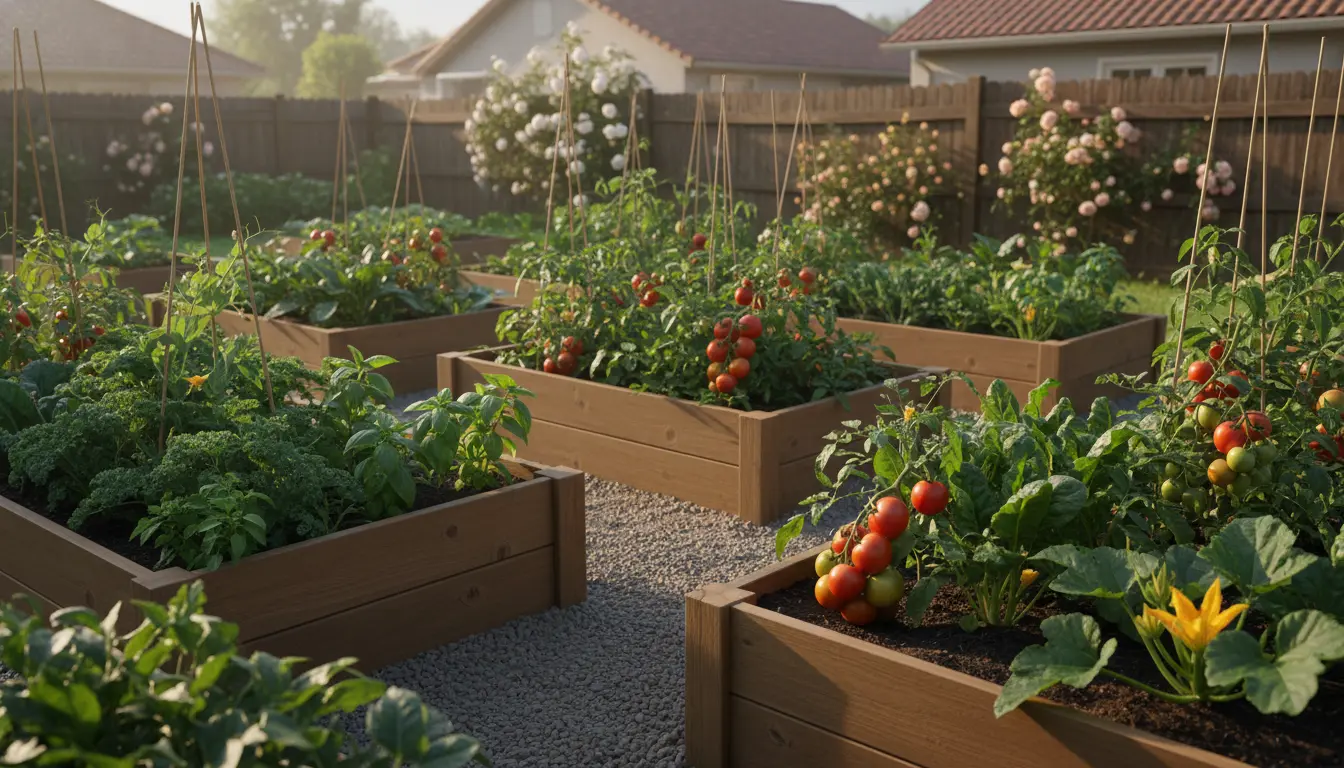
Starting a vegetable garden is a practical way to enjoy fresher food and learn a useful skill. This guide explains how to start a vegetable garden using clear steps you can follow in a single season.
Plan Your Vegetable Garden
Good planning reduces effort and improves yields. Start by assessing space, sunlight, and how much time you can commit each week.
Choose a Location for Your Vegetable Garden
Select a spot with at least 6 hours of direct sunlight for most vegetables. Close proximity to a water source makes regular watering easier.
Consider soil drainage and accessibility. If ground soil is poor, raised beds or large containers are excellent alternatives.
Decide What to Grow
Pick vegetables you and your household will eat and that match your climate and season. For beginners, try these easy crops:
- Leafy greens (lettuce, spinach)
- Root vegetables (radishes, carrots)
- Tomatoes and peppers in warm seasons
- Herbs (basil, parsley) for quick results
Start small—one or two beds or a few containers—and expand after a successful season.
Prepare Soil and Garden Beds
Soil health determines much of your garden’s success. Learn basic soil prep before planting your first seeds or seedlings.
Test and Improve Soil
Use a simple soil test kit to check pH and basic nutrients. Most vegetables prefer a slightly acidic to neutral pH (6.0–7.0).
Amend soil with organic matter such as compost or well-rotted manure. This improves structure, drainage, and fertility.
Raised Beds vs. In-Ground
Raised beds warm faster, drain well, and give better control over soil quality. In-ground beds can be less expensive but may require more soil improvement.
- Raised beds: good for poor native soil, patios, or small yards.
- In-ground beds: work well if soil can be amended and drains properly.
- Containers: ideal for balconies and small spaces.
Planting and Early Care
Planting at the right time and spacing crops correctly will reduce pest pressure and improve harvests. Follow seed packet or plant tag instructions for timing and depth.
Seed vs. Seedlings
Direct-seed quick crops like radishes, carrots, and many greens. Use seedlings for slower crops such as tomatoes and peppers to get a head start.
Keep young plants well watered and protected from strong sun or wind as they establish roots.
Watering and Mulching
Water deeply and less often rather than light frequent watering. Aim for moist but not waterlogged soil.
- Water at the base of plants to reduce leaf disease.
- Mulch with straw, shredded leaves, or bark to retain moisture and suppress weeds.
Pest and Disease Basics
Inspect plants weekly. Remove affected leaves and use physical barriers like row covers for insects where practical.
Encourage beneficial insects by planting flowers and avoiding broad-spectrum pesticides when possible.
Seasonal Schedule and Maintenance
Follow a simple seasonal routine to keep your vegetable garden productive. Tasks vary by season and climate but share common steps.
- Spring: prepare beds, sow cool-season crops, transplant seedlings.
- Summer: monitor water, manage pests, harvest regularly.
- Fall: sow cover crops, clean up spent plants, add compost.
- Winter: plan next year’s crop rotation and order seeds.
Many common vegetables like lettuce and radishes can mature in 30 days or less, giving quick rewards for new gardeners.
Small Real-World Example: Sarah’s Balcony Vegetable Garden
Sarah had a small south-facing balcony and wanted fresh herbs and a few vegetables. She used two 12-inch deep containers and one raised half-barrel.
She planted basil, cherry tomatoes, and lettuce in spring. By watering twice a week and using a slow-release fertilizer, she harvested herbs within 6 weeks and tomatoes later in summer.
Key takeaways: choose varieties for containers, keep containers watered, and harvest frequently to encourage more growth.
Quick Checklist to Start a Vegetable Garden
- Choose location with sufficient sun and water access.
- Decide bed type: raised, in-ground, or containers.
- Test and amend soil with compost.
- Select easy crops for your season and space.
- Plant at the right depth and follow spacing guidelines.
- Water deeply, mulch, and check plants weekly.
- Keep a simple log of planting dates and harvests.
Starting a vegetable garden is a step-by-step process that fits most schedules and spaces. Begin small, learn from each season, and adjust plant choices and routines as you gain experience.
With basic planning, soil preparation, and consistent care, you can enjoy fresh vegetables from your own garden within months.