
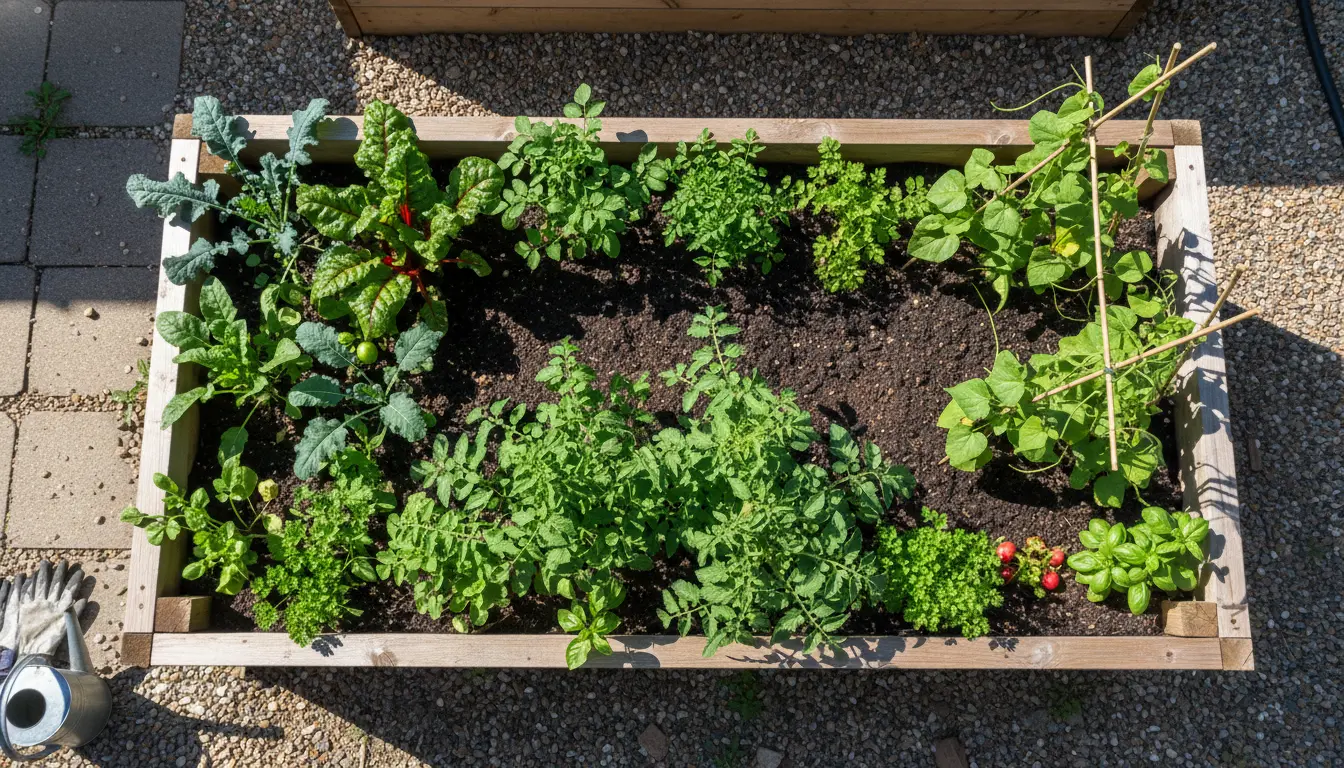
How to Start a Vegetable Garden: Quick Overview
Starting a vegetable garden is a practical way to grow fresh food, save money, and enjoy time outdoors. This guide explains the essential steps to start a vegetable garden at home and keep it productive.
Plan Before You Plant: How to Start a Vegetable Garden
Good planning makes gardening easier and more productive. Decide the garden size, layout, and which vegetables you want to grow before buying supplies.
- Pick vegetables you and your family will eat.
- Start small—one or two raised beds or a few containers work well for beginners.
- Consider how much time you can spend on maintenance each week.
Choose a Site to Start a Vegetable Garden
Sunlight is the most important site factor. Most vegetables need at least six hours of direct sun per day.
Look for a flat spot with good drainage, near a water source and with easy access for chores.
Decide on Beds or Containers
Raised beds warm faster and give you good control over soil quality. Containers are ideal for patios and small spaces.
Typical raised bed size: 4 feet wide by 8 feet long. This width allows reaching the center from both sides.
Soil and Soil Preparation
Healthy soil is the foundation of a productive garden. You don’t need perfect soil, but you must improve what you have.
- Test your soil pH with a kit—most vegetables prefer pH 6.0 to 7.0.
- Add compost to improve structure and fertility—aim for a 2–3 inch layer mixed into the top 6–8 inches.
- Use a balanced organic fertilizer if a soil test shows nutrient gaps.
Examples of Good Soil Mixes
For raised beds: 40% topsoil, 40% compost, 20% coarse sand or perlite for drainage. For containers: high-quality potting mix with added compost.
Choosing Vegetables and Planting Schedule
Select vegetables based on your climate and the season. Start with easy crops if you are new to gardening.
- Easy starters: lettuce, radishes, bush beans, cherry tomatoes, zucchini, and herbs.
- Stagger planting dates to extend harvests—plant lettuce every 2–3 weeks for continuous supply.
- Use seed packets and local extension calendars to find first and last frost dates.
Direct Sow vs. Transplants
Some vegetables do best sown directly into the soil (carrots, beans), while others are easier as transplants (tomatoes, peppers). Read seed packet instructions for best results.
Watering and Mulching
Consistent moisture is key for steady growth and to prevent issues like blossom end rot. Water deeply but less often to encourage strong roots.
- Water early in the morning to reduce evaporation and disease risk.
- Install a drip irrigation system or use soaker hoses for efficient watering.
- Apply 2–3 inches of organic mulch to retain moisture and suppress weeds.
Pest and Disease Basics When You Start a Vegetable Garden
Expect some pest pressure, but many problems are manageable with good practices. Preventive steps reduce the need for treatments.
- Rotate crops each year to limit disease buildup.
- Use row covers to protect young plants from insects.
- Hand-pick larger pests and encourage beneficial insects like ladybugs.
When to Use Treatments
Use organic options first: insecticidal soap, neem oil, or Bacillus thuringiensis for caterpillars. Read labels and apply only when necessary.
Harvesting and Ongoing Care
Harvest regularly to encourage more production. Most vegetables taste best when picked at peak ripeness.
- Leafy greens: harvest outer leaves and allow inner leaves to grow.
- Tomatoes: pick when color and firmness indicate ripeness; some varieties continue ripening off the vine.
- Clean up plant debris at season end to reduce pests and diseases for next year.
Small Real-World Case Study
Case: Sarah, a beginner gardener in a suburban yard, started with two 4×8 raised beds in spring. She grew salad greens, cherry tomatoes, and bush beans.
Results: By mid-summer she harvested fresh salad greens twice weekly and 25–30 pints of cherry tomatoes. Her setup took about 2–3 hours per week for watering, weeding, and harvesting.
Key takeaway: Start small, focus on easy crops, and gradually expand as you gain confidence.
Starter Checklist: How to Start a Vegetable Garden
- Choose a sunny site and measure available space.
- Decide on beds or containers and prepare soil with compost.
- Select easy vegetables suited to your climate.
- Plant according to seed packet timing and maintain consistent watering.
- Monitor pests and use preventive methods before resorting to treatments.
Final Tips for Beginners
Keep records of what you plant and when you harvest. Notes help you improve timing and variety choices each year.
Be patient—gardening is seasonal. Small, steady improvements to soil and habits lead to better harvests over time.