
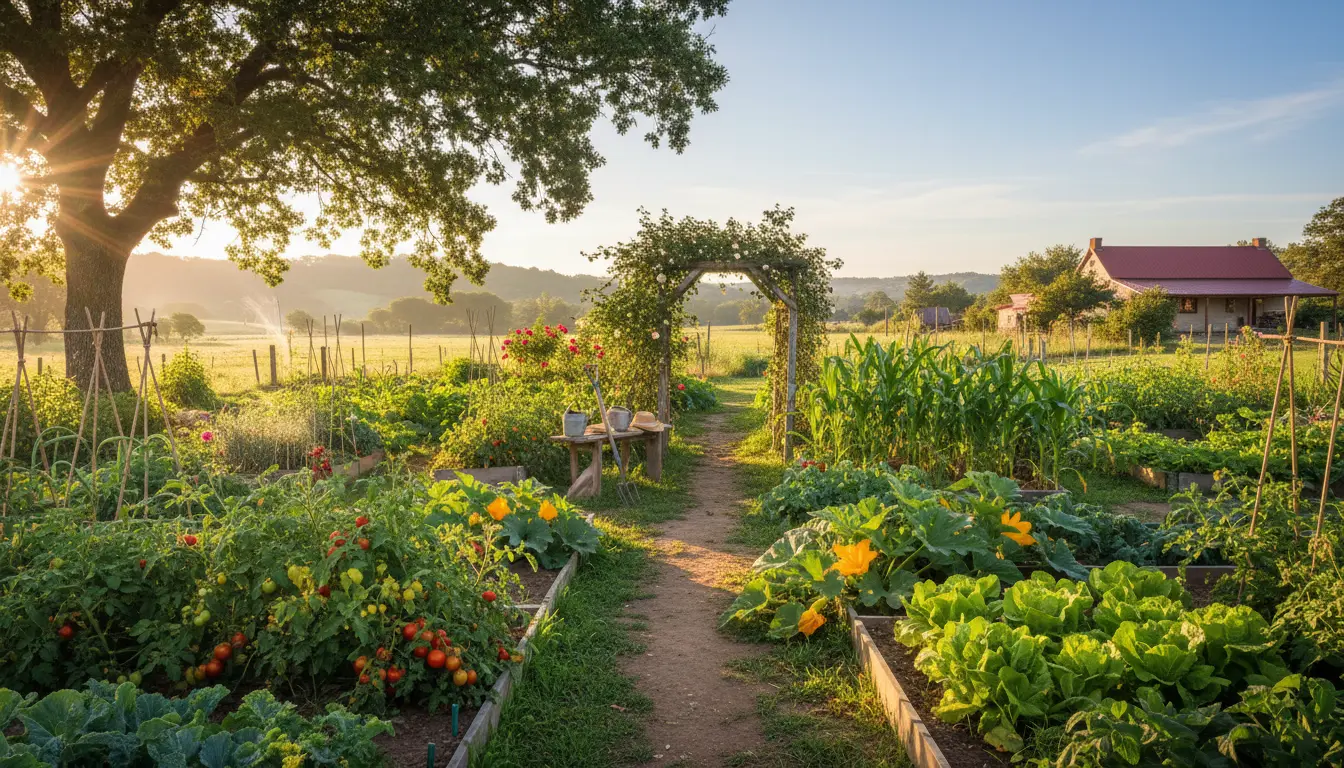
How to Start a Vegetable Garden: First Steps
Starting a vegetable garden is achievable with basic planning and a few simple tools. This guide explains clear, actionable steps to start a vegetable garden and get reliable harvests.
Choose a Location for Your Vegetable Garden
Pick a spot that gets at least 6 hours of direct sunlight a day for most vegetables. If full sun is limited, focus on leafy greens and herbs that tolerate partial shade.
Consider access to water and proximity to your door for easier daily care. Elevated beds or containers work well when soil quality or space is a concern.
Decide What to Plant in Your Vegetable Garden
Begin with easy, fast-growing crops that match your climate and season. Tomatoes, lettuce, radishes, beans, and herbs are good starter choices.
Use this simple planning list to choose crops for your first season:
- Fast results: radishes, lettuce, spinach
- Low maintenance: beans, zucchini, chard
- Long-term care: tomatoes, peppers, eggplants
Prepare Soil to Start a Vegetable Garden
Healthy soil is the foundation of a productive vegetable garden. Test the soil pH and add compost to improve texture and fertility.
For raised beds or containers, use a mix of topsoil, compost, and a light amendment like perlite for drainage. Aim for a crumbly, well-draining mix.
Soil Prep Checklist
- Clear weeds and debris from the site
- Loosen soil to 8–12 inches for roots
- Add 2–4 inches of compost and mix thoroughly
- Adjust pH if needed (most vegetables prefer 6.0–7.0)
Planting and Care When You Start a Vegetable Garden
Sow seeds or transplant seedlings at the right time for your region. Follow spacing recommendations to allow airflow and reduce disease risk.
Set up a simple watering routine: deep, infrequent watering encourages strong roots. Mulch around plants to conserve moisture and suppress weeds.
Routine Care Tips
- Water early in the morning to reduce evaporation
- Fertilize lightly with balanced organic fertilizer every 4–6 weeks
- Stake or cage vining plants like tomatoes and cucumbers
- Inspect weekly for pests and remove damaged leaves promptly
Harvesting and Troubleshooting Your Vegetable Garden
Harvest vegetables when they reach recommended size for best flavor and continued production. Regular picking encourages more fruit from many plants.
Common problems include overwatering, nutrient deficiencies, and pests. Keep a garden journal to track what works and what needs adjustment.
Common Troubles and Quick Fixes
- Yellow leaves: check watering and nitrogen levels
- Stunted growth: test soil for compaction or pH issues
- Insects: remove by hand, use row covers, or apply organic controls
Companion planting, like growing basil near tomatoes, can improve flavor and deter pests naturally. Simple pairings often boost garden health without chemicals.
Small Case Study: How One Beginner Started a Vegetable Garden
Maria, a first-time gardener with a small balcony, started a vegetable garden in two raised containers. She chose cherry tomatoes, basil, and leaf lettuce based on sunlight and space.
After preparing container soil with compost and following a weekly care plan, Maria harvested her first salad-sized yield in six weeks. Her tomatoes produced steadily for four months, yielding about 10–12 small tomatoes per plant each week at peak season.
Key takeaways from Maria’s case: choose compact varieties, maintain consistent watering, and use containers when ground space is limited.
Simple Tools and Supplies to Start a Vegetable Garden
Keep a short list of tools to make gardening easier. You don’t need expensive equipment to get started.
- Hand trowel and digging fork
- Watering can or hose with gentle nozzle
- Compost or well-rotted manure
- Mulch and basic organic fertilizer
- Stakes, trellis, or cages for support
Seasonal Checklist for Ongoing Success
- Spring: prepare beds, sow cool-season crops
- Summer: stake plants, water deeply, harvest regularly
- Fall: plant cover crops or clear beds for winter
Final Tips to Start a Vegetable Garden and Keep It Productive
Start small and expand as you gain confidence and observe what grows well in your space. Track planting dates, varieties, and yields to improve next season.
Most importantly, enjoy the process. Growing your own vegetables teaches patience and delivers fresh food that tastes better than store-bought.