
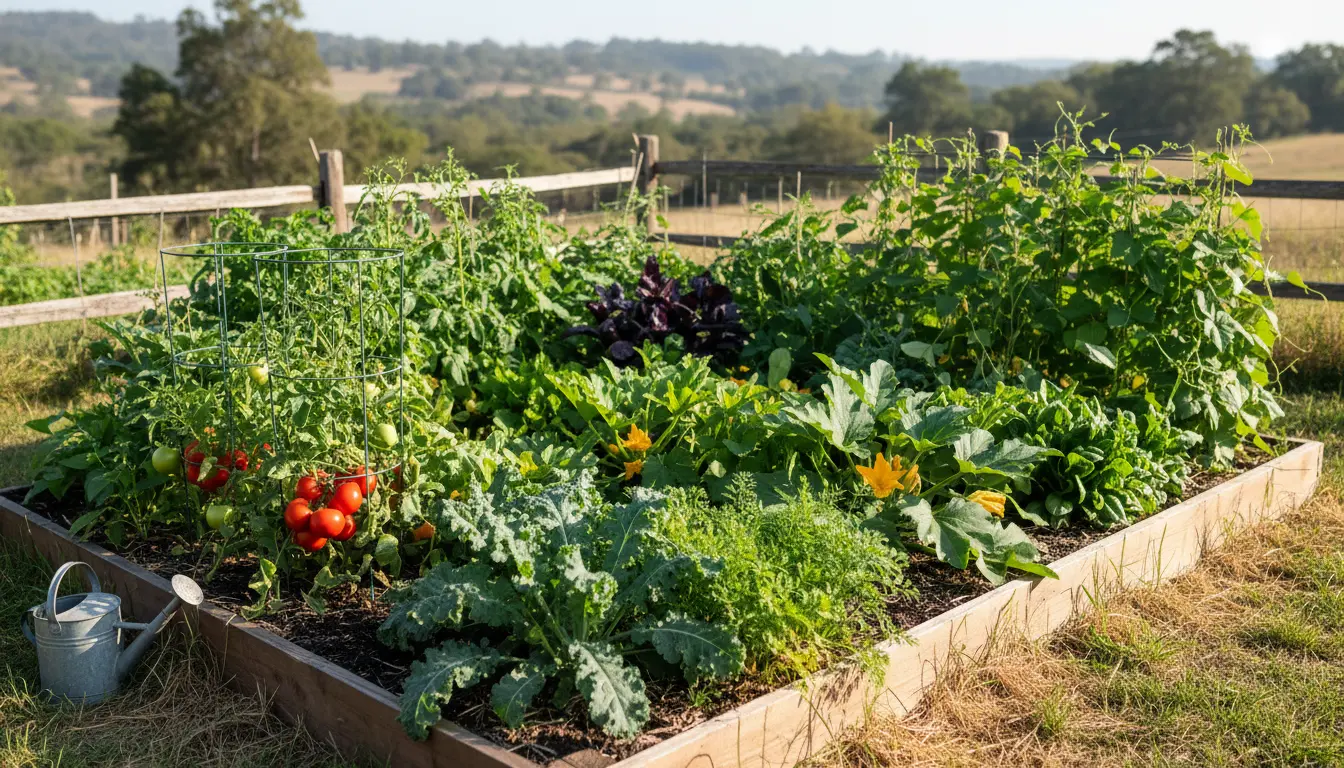
How to Start a Vegetable Garden: First Steps
Starting a vegetable garden is practical and rewarding. This guide breaks the process into clear steps so beginners can succeed quickly.
Choose the Right Location for Your Vegetable Garden
Select a spot with at least 6 to 8 hours of sunlight per day. Vegetables need direct sun to produce well.
Check access to water and flat ground for easier planting and irrigation setup. Avoid areas that collect standing water after rain.
Decide On Garden Type
Pick the format that fits your space and time. Options include in-ground beds, raised beds, and containers.
- Raised beds: Better drainage and soil control.
- In-ground: Good for larger yards with existing soil.
- Containers: Ideal for balconies and small patios.
Plan What to Plant in Your Vegetable Garden
Start with vegetables you or your family eat often. Growing familiar crops increases motivation to maintain the garden.
Consider your climate and frost dates when choosing seeds or starter plants. Local extension services list suitable varieties.
Beginner-Friendly Vegetables
- Tomatoes: Reliable in warm, sunny spots.
- Lettuce and spinach: Fast-growing and shade-tolerant.
- Radishes and carrots: Good for succession planting.
- Beans and peas: Easy to grow and fix nitrogen.
Prepare Soil and Planting Beds
Soil quality is the most important factor for a productive vegetable garden. Test and amend soil before planting.
Get a basic soil test from a local extension or use a home kit to check pH and nutrient levels.
Improve Soil for Your Vegetable Garden
Add well-rotted compost to increase organic matter and drainage. Mix compost into the top 6 to 8 inches of soil.
Use these soil amendments as needed:
- Compost: Improves structure and nutrients.
- Sand or gypsum: Helps heavy clay soil with drainage.
- Lime or sulfur: Adjusts pH if the test recommends it.
Planting and Spacing in a Vegetable Garden
Follow seed packet or plant label spacing to reduce competition. Crowded plants increase disease risk and reduce yields.
Consider succession planting for continuous harvests. Replace early crops with new seeds to keep beds productive.
Watering and Mulching Tips
Water deeply and less frequently to encourage strong root systems. Aim for 1 inch of water per week, more in hot weather.
Apply mulch around plants to retain moisture and suppress weeds. Use straw, shredded leaves, or bark mulch at 2 to 3 inches deep.
Pest, Disease, and Maintenance Practices for Vegetable Gardens
Inspect plants weekly for pests and disease signs. Early detection makes treatment easier and less chemical-dependent.
Use integrated pest management: combine cultural, mechanical, and biological controls before resorting to chemicals.
Common Maintenance Tasks
- Weeding: Keep beds tidy to reduce pest hiding places.
- Pruning: Remove diseased foliage and support vining crops.
- Fertilizing: Use balanced organic fertilizer midseason if growth stalls.
Planting marigolds and basil near tomatoes can help deter some insect pests naturally. Companion planting can boost yields and reduce chemical use.
Harvesting and Storage from Your Vegetable Garden
Harvest vegetables at peak ripeness for the best flavor and nutrition. Check guides for each crop’s signs of readiness.
Store produce properly to extend freshness: leafy greens in cool, moist conditions and root crops in a cool, dry place.
Example Harvest Schedule
- Lettuce: Harvest 30–45 days after planting.
- Tomatoes: Pick when fully colored and slightly soft.
- Carrots: Harvest 60–80 days, depending on variety.
Short Case Study: A Small Raised Bed Success
Case study: Sara in Portland started a 4×8 raised bed using mixed compost and topsoil. She planted tomatoes, lettuce, and bush beans in spring.
After composting the bed and mulching, her garden produced continuous lettuce harvests and three tomato flushes. Minimal pesticides were needed because she used sticky traps and hand removal for pests.
Her small, managed space yielded enough vegetables for weekly family meals and taught her simple crop rotation for the following season.
Quick Checklist to Start a Vegetable Garden
- Choose location with 6–8 hours sun.
- Decide on in-ground, raised bed, or containers.
- Test and amend soil with compost.
- Select easy, familiar crops to begin.
- Water deeply and mulch to retain moisture.
- Inspect regularly for pests and diseases.
Starting a vegetable garden is a gradual learning process. Begin small, keep records of what works, and expand as you gain confidence. With planning and simple maintenance, most beginners can harvest fresh produce in their first season.