
How to Start a Vegetable Garden: First Steps
Starting a vegetable garden is satisfying and achievable with basic planning. This guide gives clear, practical steps so you can grow food even with limited time or space.
Choose a Location and Assess Light
Pick a spot that gets at least 6 hours of direct sunlight for most vegetables. Observe the area across a full day to note shade patterns and morning versus afternoon sun.
Consider proximity to water, flat ground, and easy access for maintenance. If you lack ground space, containers and raised beds are good alternatives.
Sunlight and Microclimates
South-facing areas generally get the most sun in the northern hemisphere. Walls and fences can create warmer microclimates that extend the growing season.
Select Vegetables for Beginners
Choose easy, fast-growing crops to build confidence. Good starter vegetables include:
- Leafy greens (lettuce, spinach)
- Radishes and baby carrots
- Bush beans
- Zucchini and summer squash
- Tomatoes (determinate varieties for small spaces)
Start with 3–5 types so you can manage watering and pest control without becoming overwhelmed.
Soil, Containers, and Raised Beds
Healthy soil is the foundation of a productive vegetable garden. Aim for loose, well-draining soil rich in organic matter.
Soil Test and Amendment
Perform a basic soil test to check pH and nutrient levels. Many extension services offer low-cost testing and recommendations.
Amend soil with compost to improve structure and fertility. For heavy clay, add coarse sand and compost; for sandy soil, add plenty of organic matter to retain moisture.
Containers and Raised Beds
Use containers when ground space is limited. Choose pots at least 12 inches deep for most vegetables and fill them with a quality potting mix.
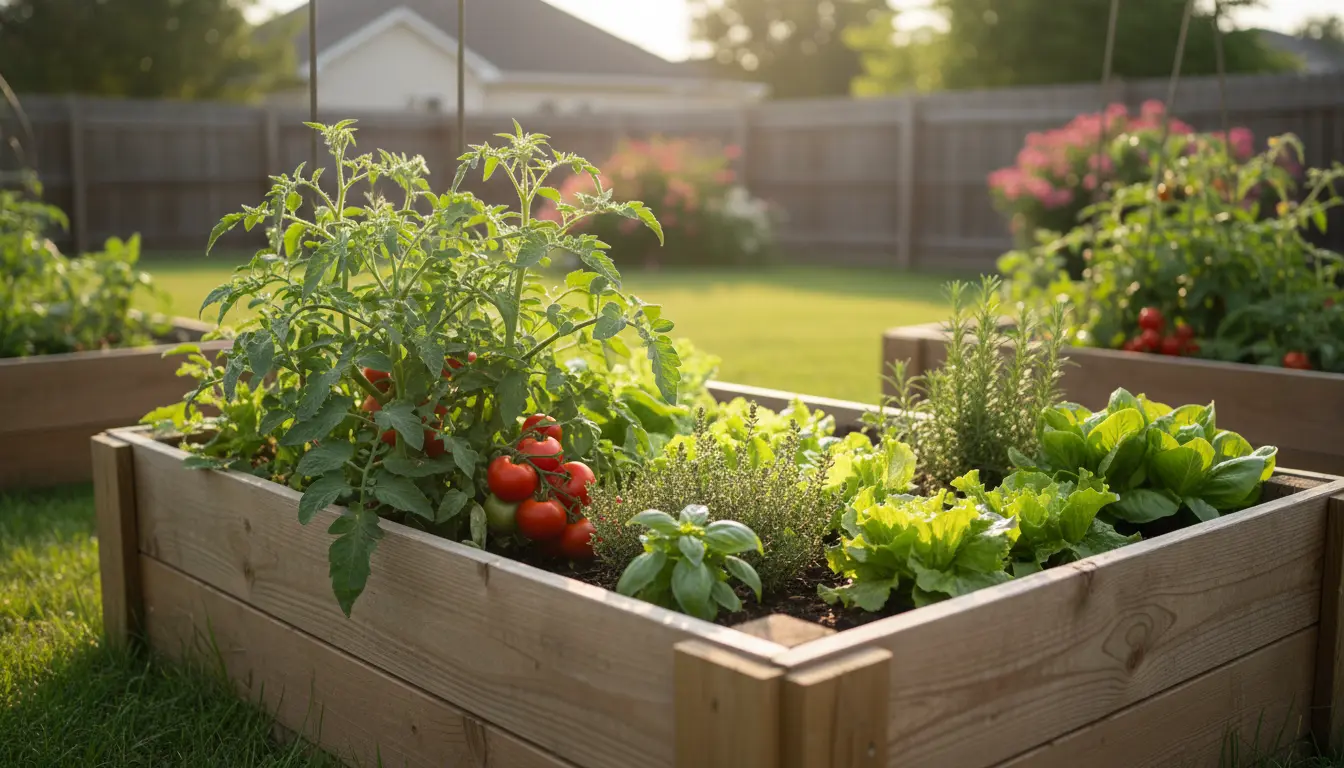
Raised beds warm faster in spring and reduce compaction. Build beds 4 feet wide to reach the center from either side comfortably.
Planting Schedule and Spacing
Plan planting based on your local frost dates. Use seed packet or plant tag instructions for spacing and depth.
Overcrowding increases disease risk; follow spacing guidelines or thin seedlings early to make room for roots and airflow.
Seeds vs. Seedlings
Seeds are cheaper and offer greater variety, while seedlings shorten the time to harvest. Start seeds indoors for cool-season crops or buy healthy seedlings for quick results.
Watering, Feeding, and Routine Care
Consistent watering is essential. Water deeply once or twice a week rather than daily shallow watering to encourage deep root growth.
- Morning watering reduces evaporation and leaf diseases.
- Mulch around plants to keep soil moist and suppress weeds.
- Use a balanced organic fertilizer or compost tea according to crop needs.
Mulch and Pruning
Mulch helps regulate soil temperature and conserve moisture. Prune only when necessary to remove dead material or improve airflow for dense crops like tomatoes.
Pest Control and Common Problems
Start with prevention: clean tools, rotate crops, and remove plant debris. Encourage beneficial insects by planting flowers like calendula and marigold.
Use these practical methods for common issues:
- Slugs: hand-pick at dusk or use beer traps.
- Aphids: blast with water or use insecticidal soap.
- Fungal disease: improve spacing, reduce overhead watering, and remove infected leaves.
Harvesting and Continuous Cropping
Harvest leafy greens early for best flavor. For continuous harvests, plant successive sowings every 2–3 weeks for fast-maturing crops like lettuce and radishes.
Keep a simple planting calendar to track sowing dates, expected harvest, and crop rotations to maintain soil health.
Small Real-World Case Study
Case Study: A city apartment gardener used two 4-foot raised beds on a sunny balcony. They planted lettuce, cherry tomatoes, basil, and bush beans in spring.
After testing soil and adding compost, they watered deeply twice weekly and mulched with straw. Within 10 weeks they harvested their first tomatoes and continued sowing lettuce every three weeks for summer salads.
Result: A steady supply of fresh greens and tomatoes with about 2–3 hours weekly maintenance.
Root vegetables like carrots and beets prefer loose soil and can be stunted by stones and compaction. Adding compost and removing rocks before planting improves yield and shape.
Quick Checklist to Start Your Vegetable Garden
- Choose a sunny location near water
- Select beginner-friendly vegetables
- Test and amend soil or use quality potting mix
- Plan spacing and a planting calendar
- Water deeply, mulch, and monitor pests
Final Tips
Start small and expand as you gain confidence. Keep notes on what worked and what didn’t—every season teaches useful lessons.
With modest effort and simple routines, anyone can learn how to start a vegetable garden and enjoy fresh produce from their own space.