
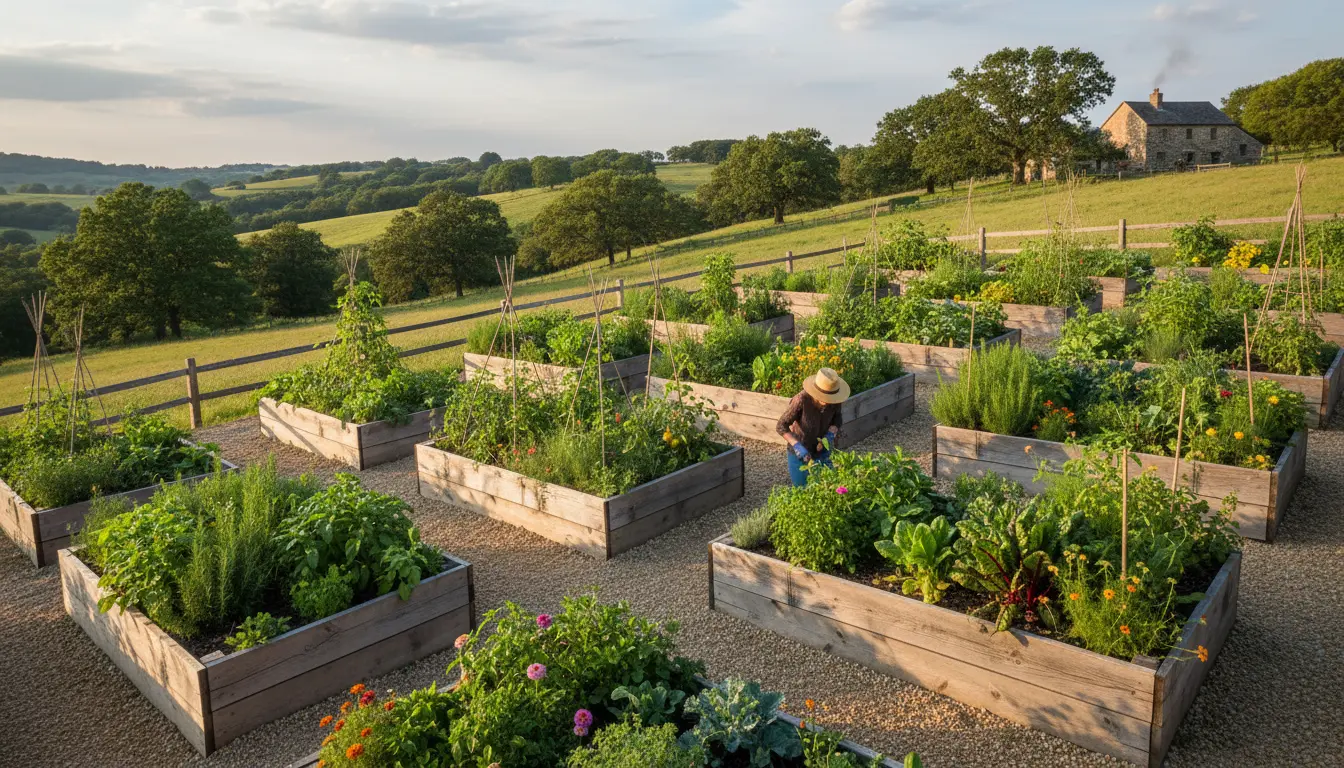
Starting a vegetable garden can seem overwhelming, but breaking the process into clear steps makes it manageable. This guide explains how to start a vegetable garden with practical, actionable advice for beginners and busy gardeners.
Why Start a Vegetable Garden
Growing your own vegetables saves money, improves food quality, and gives you control over growing methods. A garden can fit any scale, from a small balcony box to a backyard plot.
Before planting, clarify goals: fresh salad greens, year-round produce, or a seasonal bounty. Your goals shape site selection, crops, and maintenance routines.
How to Start a Vegetable Garden: Choose a Location
Sunlight is the most important factor. Most vegetables need at least six hours of direct sun each day. Observe potential sites across a full day to track light patterns.
Consider these site features:
- Sun exposure (morning and midday light)
- Drainage (avoid low spots that collect water)
- Access to water (hose or rain barrel)
- Proximity to the kitchen for easy harvesting
Raised Beds vs In-Ground
Raised beds warm faster in spring and offer better drainage. In-ground beds are cheaper and can be larger. Choose based on soil quality, budget, and mobility needs.
How to Start a Vegetable Garden: Prepare Your Soil
Healthy soil is the foundation of a productive vegetable garden. Test soil pH and nutrient levels with a basic kit or local extension service.
Key steps:
- Clear weeds and debris.
- Amend soil with compost to improve structure and fertility.
- Adjust pH if needed—most vegetables prefer pH 6.0–7.0.
Quick Soil Improvement Tips
Add 2–4 inches of well-rotted compost and work it into the top 6–8 inches of soil. For heavy clay, incorporate coarse sand and organic matter to improve drainage.
How to Start a Vegetable Garden: Plan What to Grow
Select crops that match your climate, season, and cooking habits. Beginners often succeed with fast-growing, forgiving plants.
Good starter crops include:
- Lettuce and spinach (quick harvests)
- Radishes and carrots (root crops for beginners)
- Tomatoes and peppers (for warm-season effort)
- Herbs like basil and parsley (low maintenance)
Succession Planting
Plan successive plantings to extend harvests. For example, sow lettuces every 2–3 weeks in spring and fall for a continuous supply.
How to Start a Vegetable Garden: Planting and Spacing
Follow seed packet or plant label instructions for depth and spacing. Crowding reduces airflow and increases disease risk.
Use these practical tips:
- Start seeds indoors for long-season crops like tomatoes.
- Harden off seedlings by exposing them to outdoor conditions gradually.
- Mulch around plants to conserve moisture and suppress weeds.
How to Start a Vegetable Garden: Watering and Maintenance
Consistent moisture is critical. Water deeply and less frequently to encourage strong roots. Aim for 1–1.5 inches of water per week, more in hot weather.
Routine tasks include weeding, staking tall plants, and monitoring for pests and diseases. Integrated pest management keeps issues manageable without heavy chemicals.
Simple Pest Controls
- Handpick larger pests like slugs and caterpillars.
- Use row covers to protect young plants from insects and birds.
- Encourage beneficial insects by planting flowers like marigolds and alyssum.
How to Start a Vegetable Garden: Seasonal Care
Adjust tasks by season. In spring focus on soil prep and planting. Summer requires watering and pest checks. In fall, clean up spent plants and add compost for winter cover.
Use crop rotation year-to-year to reduce disease buildup and balance soil nutrients.
Small Real-World Case Study
Case Study: Maria’s 10×4 Raised Bed
Maria transformed a small backyard corner into a 10×4 foot raised bed. She spent two afternoons building the bed and filling it with a mix of topsoil and compost. She planted tomatoes, bush beans, lettuce, and basil.
In the first season she spent about $120 on materials and seedlings. By midsummer she harvested enough salad greens and tomatoes to reduce grocery purchases. She recommends starting small, keeping a planting journal, and adjusting plant choices based on taste and sun exposure.
Summary Checklist: How to Start a Vegetable Garden
- Pick a sunny, well-drained site.
- Decide on raised beds or in-ground planting.
- Test and amend soil with compost.
- Choose easy crops that match your climate and kitchen needs.
- Plant with correct spacing, mulch, and water deeply.
- Monitor, rotate crops, and add organic matter each year.
Starting a vegetable garden is a step-by-step process focused on site choice, soil health, crop selection, and ongoing care. With modest effort and planning, most gardeners see reliable harvests within a single season.