
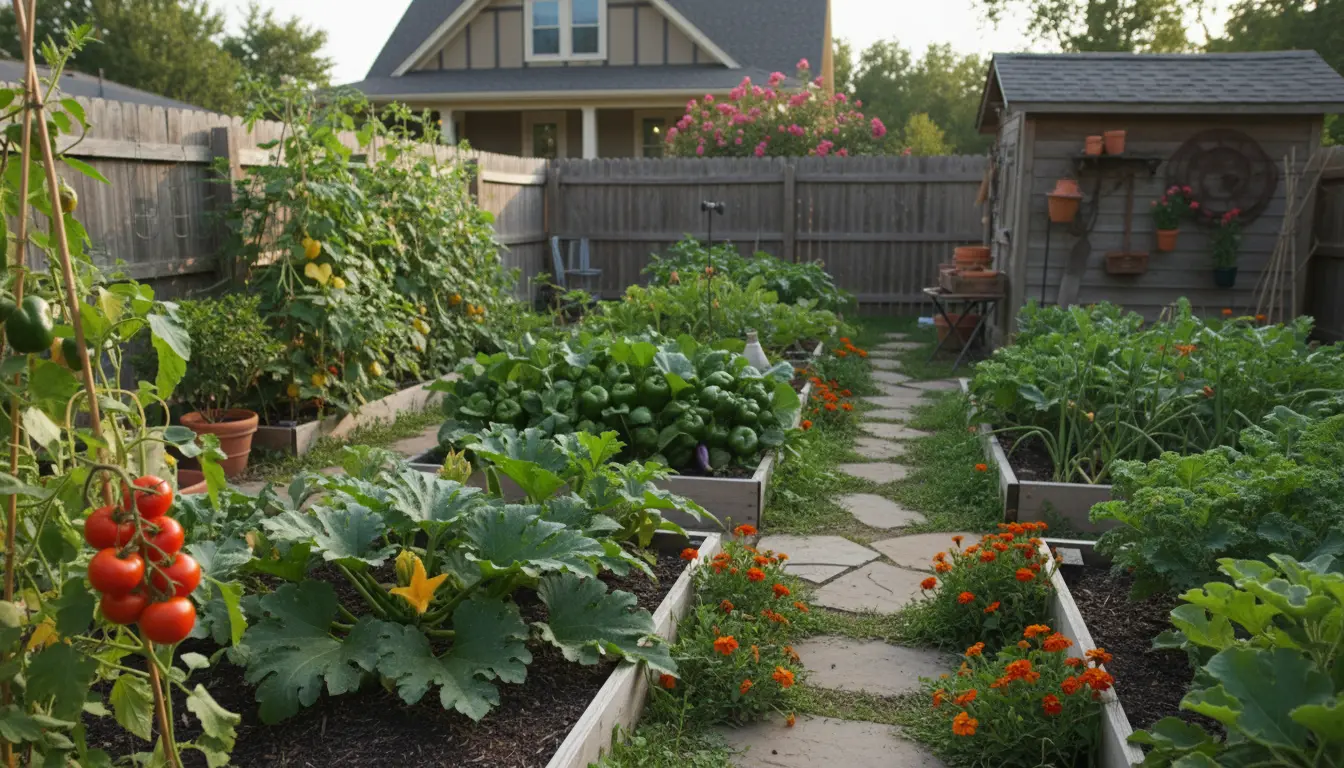
Starting a small vegetable garden is a manageable way to grow fresh produce at home. This guide gives clear, practical steps you can follow whether you have a tiny yard, balcony, or a few containers.
Planning Your Small Vegetable Garden
Good planning reduces wasted effort and increases harvests. Begin by mapping the available sun, space, and water access for your small vegetable garden.
Choosing location for your small vegetable garden
Most vegetables need at least 6 hours of direct sun. Observe sunlight patterns for a week to pick the sunniest spot. If full sun is not available, choose crops that tolerate partial shade.
Selecting vegetables
Pick plants that match your space, climate, and eating habits. For small spaces, choose compact varieties or those suited to containers.
- Easy starters: lettuce, radishes, cherry tomatoes, bush beans, herbs.
- Space-savers: compact peppers, dwarf zucchini, vertical cucumbers.
- Staggered planting: sow quick growers between slower plants to maximize yield.
Preparing Soil and Beds for a Small Vegetable Garden
Healthy soil is the foundation of a productive garden. Even in containers you can build quality soil with a mix of compost and good potting material.
Soil testing and improvement
Test soil pH and fertility with a basic kit or local extension service. Most vegetables prefer a pH between 6.0 and 7.0.
Improve poor soil by adding organic matter: compost, well-rotted manure, or leaf mold. Aim for a loose, crumbly texture that drains well but retains moisture.
Raised beds vs containers
Raised beds warm earlier and offer better drainage, while containers are ideal for balconies or patios. Both work well for a small vegetable garden when filled with quality growing mix.
- Raised beds: Easier weeding, better root depth, good for several crop cycles.
- Containers: Flexible placement, control over soil, space-efficient.
Planting and Care for a Small Vegetable Garden
Plant at the right time and follow simple care routines to keep plants productive. Regular attention beats occasional big fixes in small gardens.
Watering, mulching, and fertilizing
Water deeply and less often to encourage strong roots. Check moisture with your finger: water when the top inch of soil is dry.
Mulch with straw, shredded leaves, or bark to conserve moisture and suppress weeds. Feed your plants with balanced organic fertilizer or compost tea according to crop needs.
Pest and disease management
Use cultural controls first: rotate crops, keep plants well spaced, and remove diseased foliage. Attract beneficial insects with flowers like marigolds or alyssum.
- Handpick slugs and caterpillars early in the morning.
- Use floating row covers to protect young plants from insects.
- Apply organic sprays like neem or insecticidal soap only when necessary.
Many common kitchen scraps such as carrot tops, basil stems, and potato peels can be composted to improve garden soil and reduce waste.
Harvesting, Rotation, and Season Extension
Harvest frequently to encourage more production, especially with leafy greens and herbs. Pick tomatoes and peppers when fully colored for best flavor.
Crop rotation and succession planting
Rotate plant families to reduce pest buildup and disease. Use succession planting—sowing new seeds every few weeks—to maintain a steady harvest from a small space.
Extending the season
Use simple season-extension tools like cloches, cold frames, or row covers to protect plants from light frost. In warm climates, shade cloth can prevent heat stress.
Small Real-World Example: Sarah’s Balcony Garden
Sarah converted a 6-foot balcony into a productive small vegetable garden. She used three 12-inch containers and one raised trough, filled with a mix of compost and potting soil.
She planted basil, cherry tomatoes, lettuce, and dwarf peppers. By using vertical trellises for tomatoes and staggered sowing for lettuce, Sarah harvested fresh salad greens and tomatoes from May to October.
- Key actions: daily watering, weekly compost tea, early pest checks.
- Outcome: continuous harvest, reduced grocery trips, and higher satisfaction.
Quick Checklist for a Successful Small Vegetable Garden
- Map sun exposure and water access.
- Choose compact or container-friendly varieties.
- Test and amend soil before planting.
- Mulch, water deeply, and feed on schedule.
- Monitor pests and use organic controls when needed.
- Practice succession planting and simple crop rotation.
With modest time and the right choices, a small vegetable garden can produce a surprising amount of fresh food. Start simple, observe, and refine your approach each season to improve yields and enjoyment.