
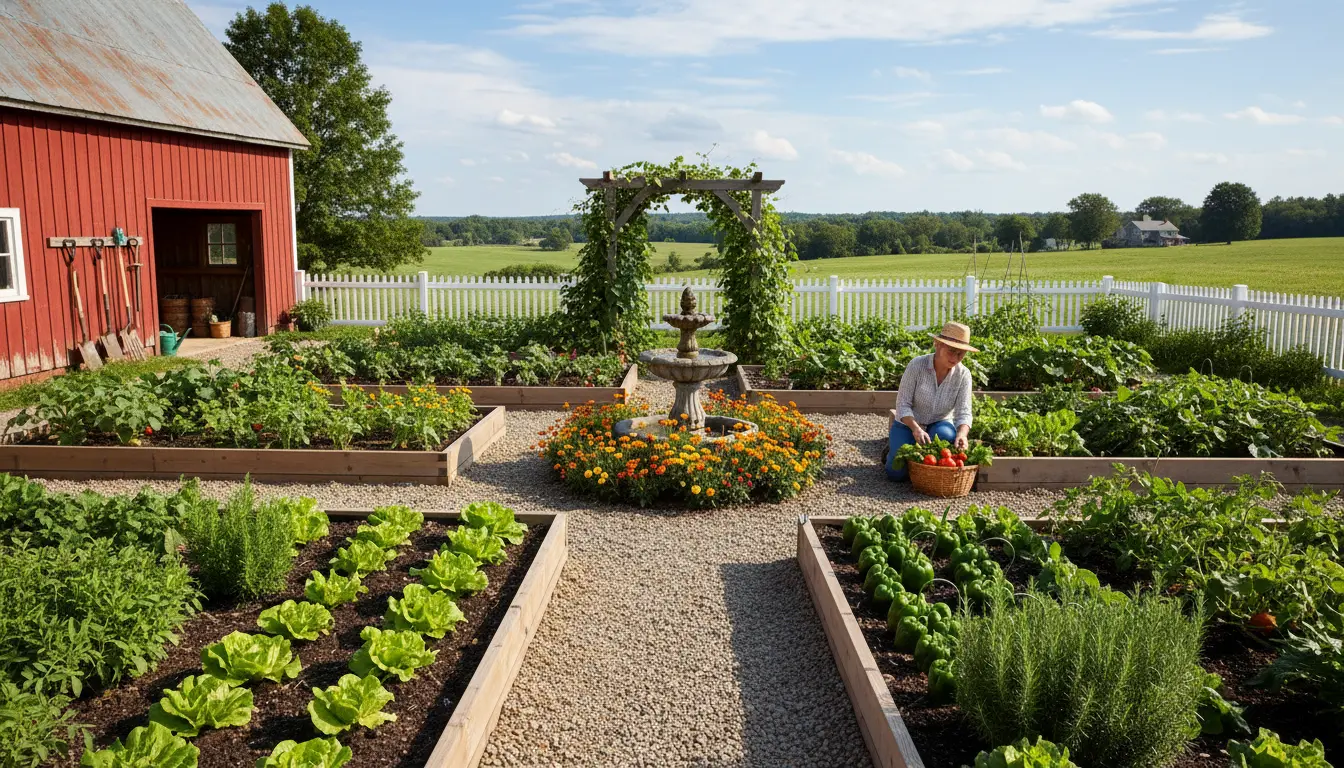
Starting a small vegetable garden is a practical way to grow fresh food and learn basic gardening skills. This guide covers planning, soil, planting, watering, pest control, and a short real-world example to get started quickly.
Planning Your Small Vegetable Garden
Good planning reduces mistakes and increases harvests. Begin by assessing space, sunlight, and your goals for the small vegetable garden.
Choosing the Right Location for a Small Vegetable Garden
Pick a spot that gets at least 4–6 hours of direct sunlight for most vegetables. If you have less sun, choose shade-tolerant crops like lettuce and spinach.
Consider access to water and how easy it will be to tend the beds. Proximity to the house increases the chance you will water and harvest regularly.
Selecting Vegetables for a Small Garden
Start with high-value, space-efficient crops. Choose vegetables that you eat often and that perform well in small areas.
- Leafy greens: lettuce, spinach, kale
- Root crops: radishes, baby carrots, beets
- Compact fruiting plants: cherry tomatoes, peppers, bush beans
- Herbs: basil, parsley, chives
Soil, Containers, and Raised Beds for a Small Vegetable Garden
Soil quality is the single biggest factor in success. For small spaces, containers and raised beds give control over soil and drainage.
Soil Preparation for a Small Vegetable Garden
Use a mix of good topsoil, compost, and a light mineral amendment. Aim for loose, well-drained soil with plenty of organic matter.
Test soil pH if possible. Most vegetables prefer a pH between 6.0 and 7.0. Add lime to raise pH or sulfur to lower it based on test results.
Container and Raised Bed Options
Containers are ideal for balconies and patios. Use pots at least 12 inches deep for most vegetables; herbs and salad greens can grow in shallower containers.
Raised beds make planting and maintenance easier in small yards. They warm earlier in spring and drain well, improving root health.
Planting, Watering, and Maintenance in a Small Vegetable Garden
Correct planting depth, spacing, and watering routines keep a small vegetable garden productive without excess effort.
Planting Schedule and Spacing for a Small Vegetable Garden
Follow seed packet or plant label instructions for depth and spacing. For small gardens, consider succession planting for continuous harvests.
- Sow radishes every 2–3 weeks for continuous harvest.
- Interplant fast-maturing crops with slower ones to maximize space.
- Use vertical supports for vining plants to free ground space.
Watering and Feeding
Water deeply and less often rather than shallow daily watering. Aim for moist soil 1–2 inches below the surface.
Mulch with straw or shredded leaves to retain moisture and suppress weeds. Feed plants with balanced organic fertilizer every 4–6 weeks during the growing season.
Pest Control and Crop Rotation for a Small Vegetable Garden
Pests are manageable with preventive practices. Small gardens benefit from simple, low-toxicity approaches.
Simple Organic Pest Management
Use these practical techniques to reduce pests:
- Handpick larger pests like slugs and caterpillars.
- Use row covers to protect young plants from insects.
- Encourage beneficial insects with flowers like calendula and dill.
- Use neem oil or insecticidal soap as a last resort for soft-bodied insects.
Rotate families of vegetables each season when possible to prevent soil-borne diseases and pest buildup.
Many compact tomato varieties produce full-sized fruit but stay under 3 feet tall, making them ideal for small vegetable gardens and container setups.
Small Real-World Example: A Balcony Vegetable Garden Case Study
Maria had a 6-foot balcony and wanted fresh salad greens and a few tomatoes. She used three 12-inch pots and one 2×3 foot raised trough.
She planted mixed lettuce and spinach in two pots, basil and chives in the third, and one determinate cherry tomato in the trough with a small trellis. She used a lightweight potting mix and added compost tea every 3 weeks.
By midsummer she harvested salad greens twice a week and 8–10 cherry tomatoes per week. Regular watering and a simple insect net kept damage low. This setup required 20–30 minutes of care per week.
Quick Checklist to Start Your Small Vegetable Garden
- Choose a sunny location with easy water access.
- Decide between containers or a raised bed based on space.
- Use quality soil amended with compost.
- Select compact, high-yield varieties and succession plantings.
- Water deeply, mulch, and feed periodically.
- Use simple, low-toxicity pest control and rotate crops.
Starting a small vegetable garden is manageable and rewarding. With basic planning, quality soil, and simple maintenance you can produce fresh food in limited space and build skills season by season.