
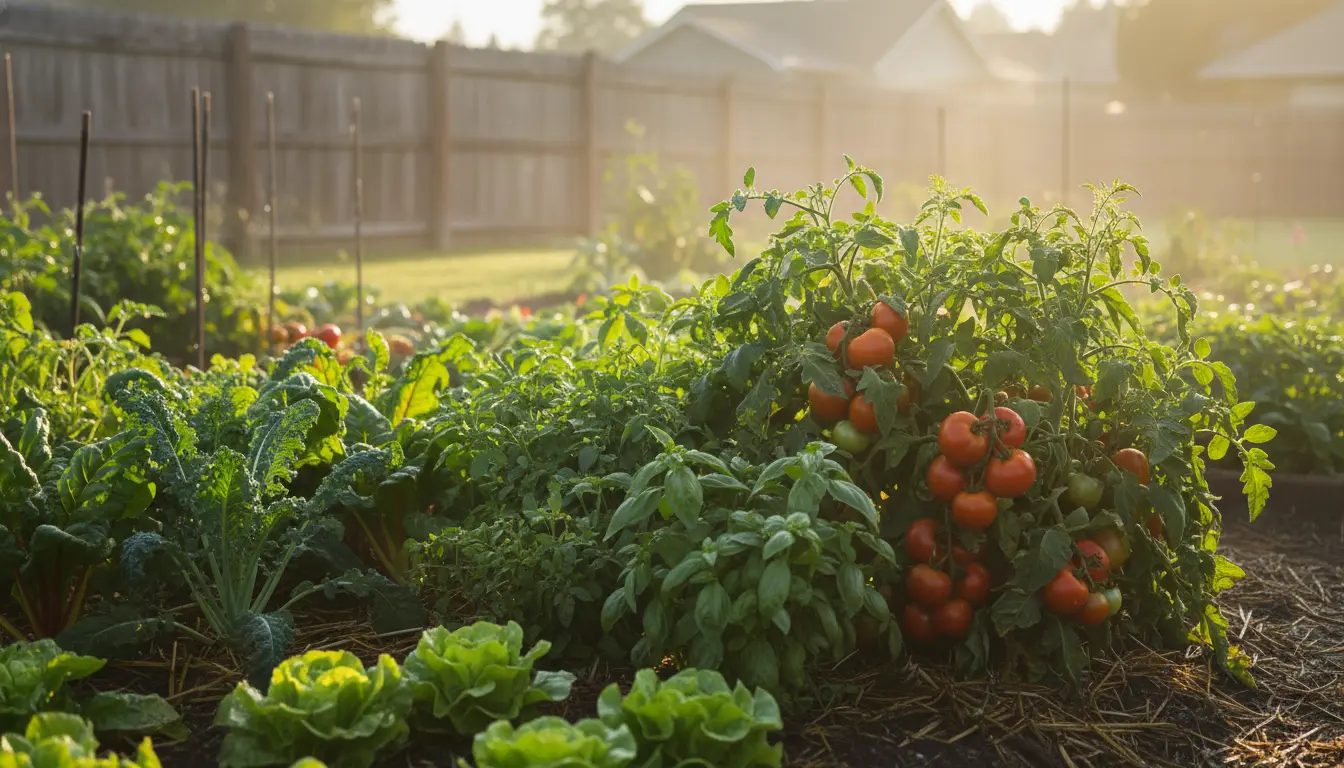
Getting started with a small vegetable garden
Starting a small vegetable garden is one of the most practical ways to grow fresh food at home. This guide gives clear steps you can apply in a backyard, balcony, or small plot.
Plan your small vegetable garden
Begin by choosing a spot that gets at least 5–6 hours of sunlight per day. Most vegetables need full sun to produce well.
Decide on garden size based on space and time. A 4×8 foot raised bed is a common, manageable size for beginners.
Choose what to grow
Pick vegetables you like to eat and that suit your space. Fast-growing or compact varieties are better for small gardens.
- Leafy greens: lettuce, spinach, swiss chard
- Root crops: radishes, carrots, beets
- Compact fruiting: cherry tomatoes, bush beans, peppers
Sketch a simple layout
Draw a grid for your bed and mark plant locations. Group taller plants to the north so they don’t shade smaller ones.
Use succession planting to maximize yield—stagger plantings so you harvest continuously.
Prepare soil for a productive vegetable garden
Good soil is the foundation of a healthy small vegetable garden. Test and improve soil before planting.
Conduct a simple soil test for pH and nutrient balance, or use a local extension service for analysis.
Soil improvement steps
- Add 2–3 inches of compost and work it into the top 6–8 inches of soil.
- For heavy clay, mix in coarse sand and organic matter to improve drainage.
- If soil is too acidic, add lime per test recommendations; if too alkaline, add sulfur or organic matter.
Planting tips for small vegetable gardens
Follow seed packet or plant tag directions for spacing, depth, and timing. Respect recommended spacing to avoid overcrowding.
Use starter transplants for long-season crops like tomatoes and peppers to speed harvest.
Companion planting and spacing
Use companion planting to reduce pests and improve growth. For example, plant marigolds near tomatoes to deter nematodes.
Interplant quick growers (radishes) between slower ones (broccoli) to use space efficiently.
Watering and fertilizing a small vegetable garden
Water deeply and less frequently to encourage deep roots. Aim for 1–1.5 inches of water per week depending on weather.
Use a soaker hose or drip irrigation for consistent moisture and to reduce leaf wetness, which can cause disease.
Fertilizer guidelines
- Use a balanced organic fertilizer at planting if soil tests indicate low nutrients.
- Side-dress with compost or a light organic fertilizer mid-season for heavy feeders like tomatoes.
Raised beds warm faster in spring than in-ground gardens, allowing earlier planting and often a longer harvest window.
Pest and disease basics for a small vegetable garden
Inspect plants regularly for pests and early signs of disease. Early action prevents bigger problems later.
Use physical controls first: handpick pests, use row covers for butterflies and beetles, and prune diseased foliage.
Organic pest options
- Neem oil or insecticidal soap for soft-bodied pests.
- Beneficial insects like ladybugs and lacewings to control aphids.
- Rotate crops each season to reduce soil-borne diseases.
Maintenance and harvest strategies
Keep the garden tidy by removing weeds and adding mulch to conserve moisture and suppress weed growth. Mulch also keeps soil temperatures steady.
Harvest regularly. Many vegetables produce more when picked often, like beans and zucchini.
Season extension
Use row covers, cloches, or cold frames to start earlier in spring and extend the season into fall. These tools protect crops from light frosts.
Small garden case study: One family, one raised bed
Case study: A family converted a 4×8 foot raised bed in a suburban backyard. They planted cherry tomatoes, bush beans, lettuce, carrots, and basil.
By using compost, drip irrigation, and succession planting, they harvested fresh salad greens every week and 40–60 tomatoes per season. Time invested averaged 30 minutes twice a week.
Key takeaways were: start small, focus on high-value crops, and maintain consistent watering. The bed produced noticeable savings on grocery bills and improved meal variety.
Quick checklist to start your small vegetable garden
- Choose a sunny location and appropriate garden size.
- Test and amend soil with compost.
- Select easy, productive vegetables suited to your climate.
- Plan layout and spacing; consider succession planting.
- Install simple irrigation like a soaker hose or drip system.
- Monitor for pests and disease and act early.
- Harvest regularly and enjoy fresh produce.
Starting a small vegetable garden is straightforward with clear planning and basic care. Follow these steps, adapt them to your space, and you can enjoy homegrown vegetables even in limited areas.