
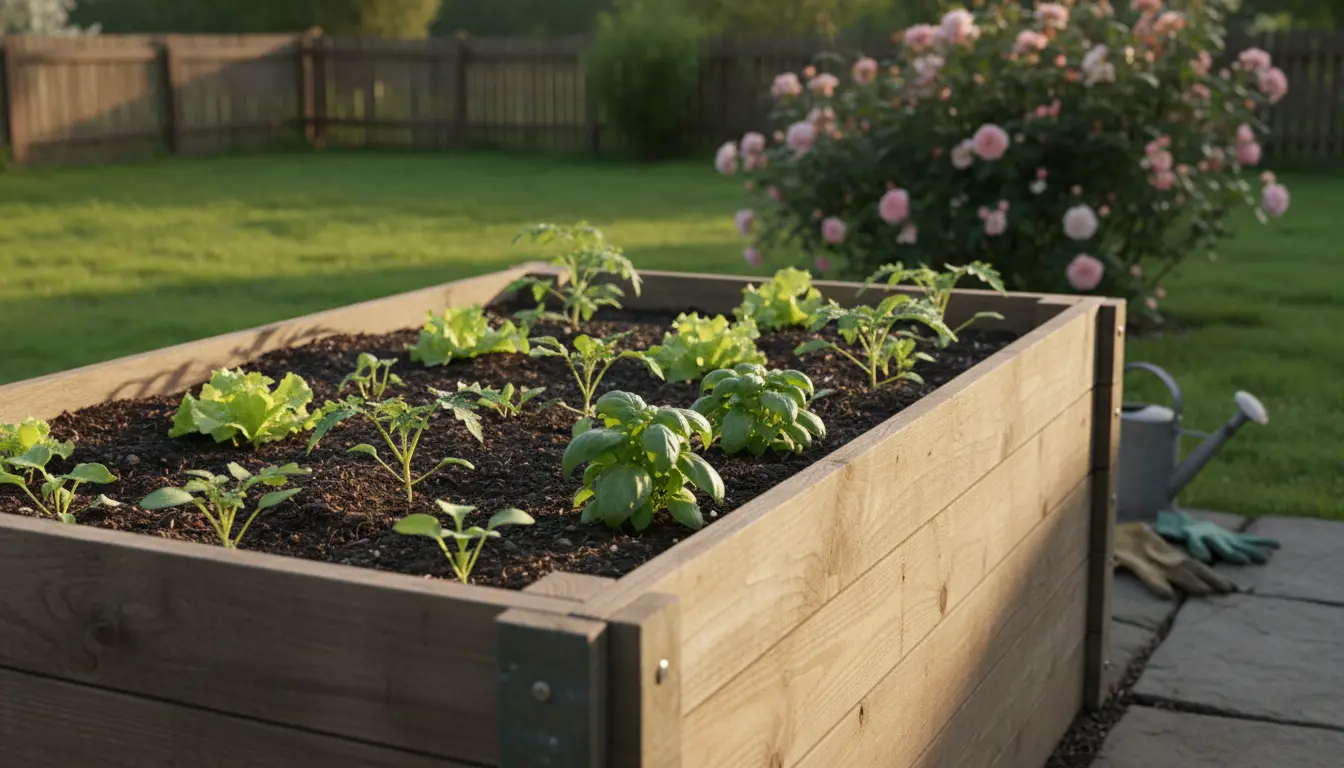
Starting a home vegetable garden is a practical way to grow fresh food, save money, and enjoy time outdoors. This guide explains clear steps to plan, plant, and maintain a productive garden with minimal jargon.
Plan Your Home Vegetable Garden
Good results begin with planning. Spend time choosing a location, defining the garden size, and deciding what vegetables you and your family will eat most.
Choose the right location for a home vegetable garden
Vegetables need sunlight and good drainage. Aim for a spot that gets at least 6 hours of direct sun daily. Avoid low areas that stay waterlogged after rain.
Decide garden type and size
Options include in-ground beds, raised beds, or containers. Beginners often start with one or two raised beds (4×8 feet) or several large containers. Small, well-managed beds yield more than large neglected plots.
Prepare Soil and Beds for Your Home Vegetable Garden
Soil quality determines plant health. Focus on soil structure, fertility, and pH.
Test and improve soil
Use a simple soil test kit or send a sample to a local extension service. Most vegetables prefer a pH of 6.0 to 7.0. Improve soil by adding compost and well-rotted manure.
- Work 2–4 inches of compost into the top 6–8 inches of soil.
- For heavy clay, add coarse sand and organic matter to improve drainage.
- For sandy soil, add compost and leaf mold to increase water retention.
Choose Crops and Planting Schedule
Pick vegetables suited to your climate and season. Start with easy crops to build confidence.
Beginner-friendly vegetables
- Leafy greens: lettuce, spinach, chard
- Root crops: radish, carrot, beet
- Fruit-bearing: tomato, zucchini, pepper
- Herbs: basil, parsley, cilantro
Create a planting calendar
Use your local last frost date to plan planting. Sow cool-season crops before the last frost and warm-season crops after the soil warms. Stagger plantings by sowing small amounts every 2–3 weeks to extend harvests.
Watering and Fertilizing Your Home Vegetable Garden
Proper water and nutrition keep plants productive. Both under- and over-watering can harm growth.
Watering basics
- Water deeply and less often to encourage strong roots.
- Morning watering reduces disease risk and evaporation loss.
- Use drip irrigation or soaker hoses to deliver water to the root zone.
Fertilizer tips
Apply a balanced organic fertilizer when planting and side-dress with compost during the season. Watch plants for signs of nutrient deficiency such as pale leaves or poor fruiting.
Pest and Disease Management in a Home Vegetable Garden
Preventive care reduces pest and disease problems. Observe plants regularly and act early.
Integrated pest management (IPM) practices
- Rotate crops yearly to prevent soil-borne diseases.
- Use row covers to protect young plants from insects.
- Encourage beneficial insects with flowers like marigolds and alyssum.
Quick remedies
Handpick large pests, remove diseased leaves, and use soap sprays for soft-bodied insects. Reserve stronger controls for severe infestations and follow label directions.
Maintenance and Harvesting
Routine tasks keep the garden productive: weeding, mulching, pruning, and timely harvesting.
- Mulch to suppress weeds and retain moisture.
- Thin seedlings to the recommended spacing to improve air flow.
- Harvest crops when mature to encourage continued production.
Real-World Example: Small Raised Beds That Produced Big Results
Case Study: A two-bed setup in a suburban backyard produced a steady supply of salad greens, tomatoes, and beans for a family of four.
The gardener used two 4×8-foot raised beds filled with a 50/50 mix of topsoil and compost. Staggered plantings provided continuous harvests, and drip irrigation cut watering time in half. After one season, the family reduced grocery produce spending and donated excess tomatoes to a local food bank.
Simple Checklist to Start Your Home Vegetable Garden
- Pick a sunny location and measure available space.
- Choose bed type: in-ground, raised, or container.
- Test soil and add compost as needed.
- Select 4–6 easy crops for your first season.
- Set up simple irrigation and mulch beds.
- Monitor for pests and harvest regularly.
Final tips for success
Start small and expand as you learn. Keep notes on planting dates and varieties to refine your plan each year. Gardening is iterative—small, consistent improvements produce the best long-term results.