
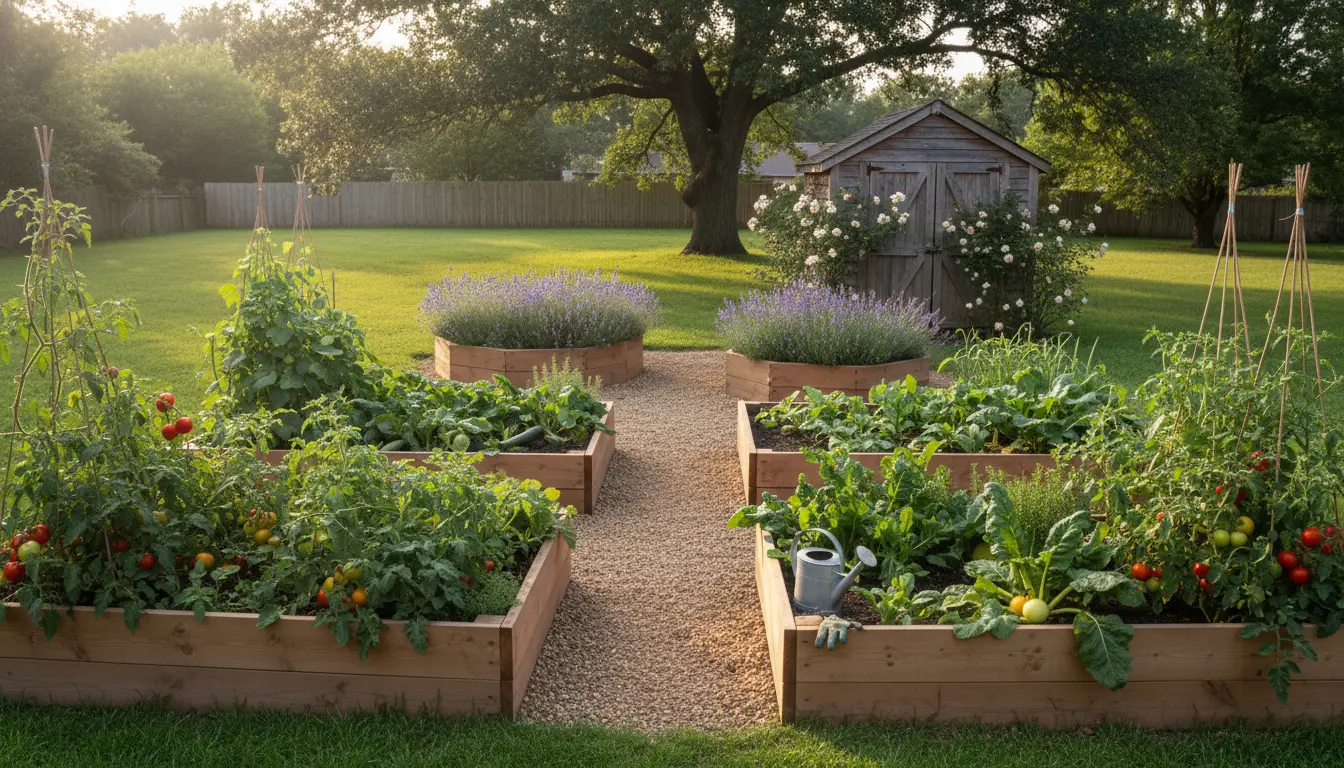
Starting a home vegetable garden is one of the most satisfying ways to grow fresh food and reduce grocery costs. This guide walks through planning, soil, planting, and ongoing care with practical steps you can use this season.
Why start a home vegetable garden
Growing vegetables at home gives you control over quality, flavor, and growing methods. It reduces food miles and can be adapted to any space, from a small balcony to a backyard.
Beginners gain the most success by focusing on a few easy crops and simple systems like containers or raised beds.
Planning your home vegetable garden
Good planning prevents wasted time and ensures steady harvests. Use these planning steps before you plant.
Choose the right location
Most vegetables need at least 6 hours of direct sunlight per day. Observe sun patterns across seasons and pick a spot that drains well.
Consider access to water and proximity to your kitchen for easy harvesting.
Select vegetables that match your space
Start with fast, reliable crops: lettuce, radishes, cherry tomatoes, bush beans, and herbs. These provide frequent rewards and require minimal maintenance.
If space is limited, prioritize compact varieties and vertical options like trellised peas and cucumbers.
Soil, containers, and raised beds
Healthy soil is the foundation of a successful home vegetable garden. Aim for a loose, nutrient-rich mix with good drainage.
Options:
- Amend existing soil with compost and aged manure.
- Use raised beds filled with a mix of topsoil, compost, and a small percentage of sand for drainage.
- Choose large containers for tomatoes and peppers; use potting mix rated for vegetables.
Step-by-step: How to start a home vegetable garden
Follow these practical steps to go from empty space to planted beds in one weekend.
- Measure and map your space: Sketch where beds, paths, and containers will go. Include sunlight and water sources.
- Prepare the soil: Remove weeds, loosen soil to 8–12 inches, and mix in 2–4 inches of compost.
- Decide on planting method: Direct-sow seeds for lettuce and carrots; start tomatoes and peppers indoors or buy transplants.
- Plant with spacing in mind: Follow seed packet or plant tag spacing to prevent overcrowding and disease.
- Mulch and water: Add 2–3 inches of organic mulch to retain moisture and apply a deep watering at planting.
- Label and track: Use simple labels and a notebook to record planting dates and varieties.
Timing and succession planting
Stagger plantings every 2–3 weeks for continuous harvests. For example, sow salad greens in early spring and again in summer for fall crops.
Check your local frost dates to time plantings for warm-season crops like tomatoes and peppers.
Companion planting can naturally reduce pests. Marigolds, basil, and nasturtiums are common companions that help repel insects and attract pollinators.
Maintenance for a healthy home vegetable garden
Consistent, small tasks keep the garden productive. Plan 20–30 minutes per day or 2–3 hours per week depending on size.
Watering
Water deeply and infrequently to encourage strong root growth. Morning is the best time to reduce disease pressure.
Fertilizing and soil care
Feed crops with a balanced organic fertilizer at planting and again mid-season for heavy feeders like corn and tomatoes.
Top up mulch and add compost in fall to rebuild soil for the next year.
Pest and disease basics
- Inspect plants weekly for signs of pests or disease.
- Use hand removal, row covers, or organic sprays as first-line defenses.
- Rotate crop families each year to reduce soil-borne diseases.
Real-world example: Maria’s raised bed success
Maria had a small sunny backyard and no previous gardening experience. She started with two 4×4 raised beds filled with a mix of topsoil and compost.
Her first season she planted cherry tomatoes, bush beans, lettuce, and basil. By following a simple watering schedule and mulching, she harvested enough greens for weekly salads and doubled her seed investment by saving bean seeds.
Key wins: small beds, easy crops, and regular notes in a gardening notebook helped her improve each season.
Quick checklist and planting calendar
Use this checklist to prepare for planting day:
- Measure sunlight and sketch garden layout
- Buy or make compost and quality soil
- Choose 4–6 easy crop varieties
- Prepare beds or containers and install drip irrigation if possible
- Label plants and set a watering schedule
Simple seasonal tips:
- Spring: Start cool-season crops and prepare beds
- Summer: Mulch heavily and water early morning
- Fall: Plant fast-maturing greens and add compost
- Winter: Plan next year and repair beds
Starting a home vegetable garden is achievable with planning, basic tools, and consistent care. Begin small, learn from each season, and expand as you gain confidence. Use the checklist and steps above to get planted this year and enjoy fresh homegrown vegetables.