
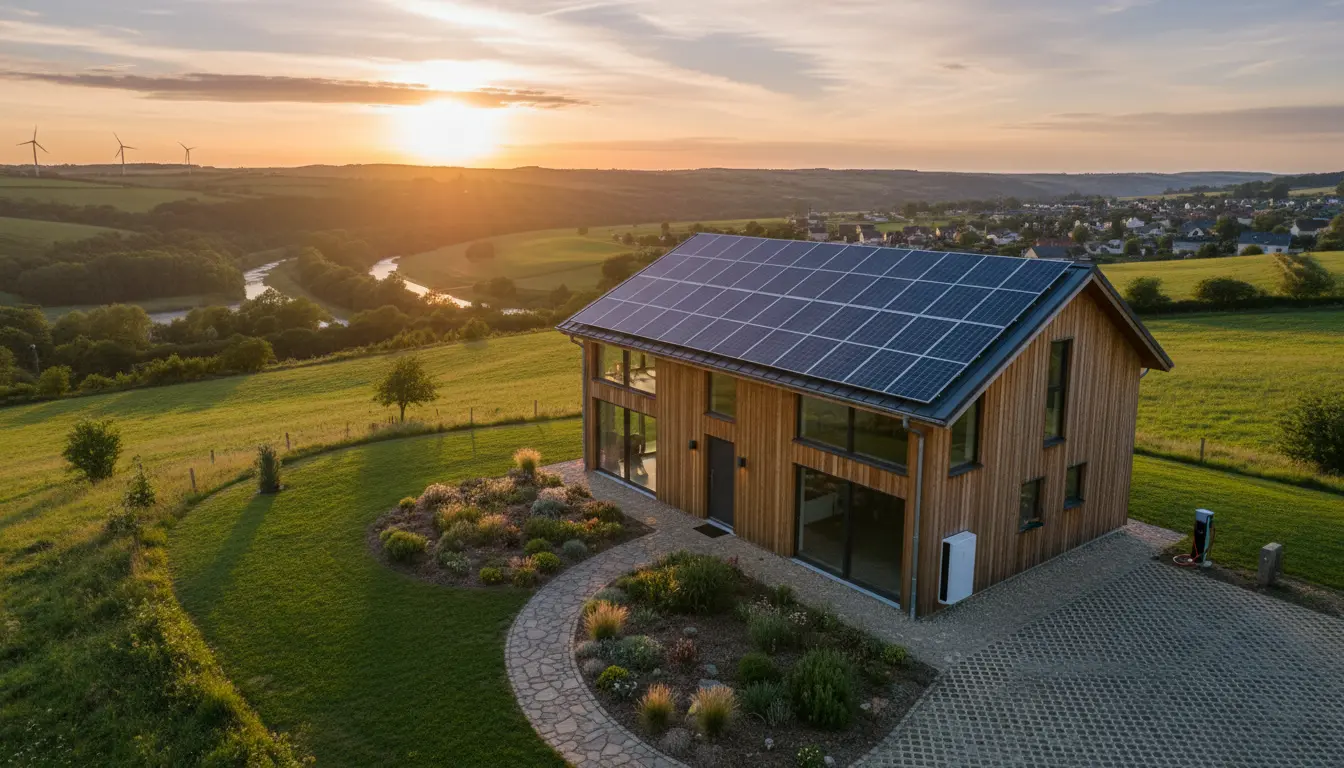
Rising utility costs make it sensible to look for reliable ways to cut energy use without major disruption. This guide focuses on clear, practical actions you can take to reduce home energy bills starting today.
Why Reduce Home Energy Bills Now
Lowering energy costs saves money and reduces your home’s environmental impact. Small changes add up over months and years, improving comfort and increasing property value.
Understanding where energy goes in your house helps prioritize the most effective fixes. Heating, cooling, and water heating typically make up the largest portions of bills.
Practical Ways to Reduce Home Energy Bills
This section lists reliable measures arranged from easiest to more involved. Implementing several together yields the best results.
Heating and Cooling: Cut the Biggest Cost
HVAC systems often account for 40% or more of home energy use. Targeting heating and cooling delivers fast savings.
- Set a programmable or smart thermostat to reduce heating or cooling when you sleep or are away.
- Change filters regularly and schedule annual HVAC maintenance to keep systems efficient.
- Use ceiling fans to raise thermostat setpoints by a few degrees in summer without losing comfort.
Insulation and Air Sealing to Reduce Waste
Air leaks and poor insulation let conditioned air escape and increase HVAC runtime. Fixing these is cost-effective and often permanent.
- Seal gaps around windows, doors, and where pipes or wires enter the home using caulk or weatherstripping.
- Add insulation in attics and basements if current levels are below recommended R-values for your climate.
- Install door sweeps and repair damaged window seals to stop drafts.
Lighting and Appliances: Low-Cost Upgrades
Lighting and appliances are easy targets for immediate savings with modern alternatives.
- Replace incandescent bulbs with LED bulbs that use 75% less energy and last longer.
- Choose ENERGY STAR appliances when replacements are needed; they use less electricity and water.
- Use power strips to reduce vampire loads and unplug chargers when not in use.
Water Heating: Simple and Effective Steps
Water heating is another major portion of home energy consumption. Small changes reduce waste.
- Lower the water heater thermostat to 120°F (49°C) to reduce energy use and scald risk.
- Install low-flow showerheads and faucet aerators to cut hot water demand.
- Insulate older water heaters and hot water pipes to reduce standby heat loss.
Behavioral Changes That Add Up
Adjusting daily habits often costs nothing and produces continuous savings.
- Wash clothes in cold water and run full loads to reduce washer and dryer energy use.
- Air-dry dishes and clothes when possible, or use efficient dryer settings.
- Close blinds in summer and open them in winter mornings to use sunlight for warmth.
Small Investments With Quick Payback
Some improvements require upfront cost but pay back quickly in lower bills.
- Smart thermostats often pay for themselves within 1–3 years through energy savings.
- LED lighting and high-efficiency showerheads usually recoup costs in months.
- Home energy audits identify priority upgrades and available rebates.
Sealing air leaks can reduce heating and cooling costs by up to 20% in many homes. Even simple fixes like door sweeps and caulking around windows often pay for themselves quickly.
Real-World Example: Miller Family Case Study
The Millers live in a 1,600 sq ft house in a temperate climate. Their average monthly electric bill was $170. They took a staged approach to reduce home energy bills.
- Month 1: Replaced 10 incandescent bulbs with LEDs and installed a smart thermostat.
- Month 3: Sealed attic access, weatherstripped doors, and added attic insulation.
- Month 6: Replaced an old refrigerator with an ENERGY STAR model and installed low-flow showerheads.
Result: Within a year their average monthly bill dropped to $112, a 34% reduction. The family recouped most upgrades through utility rebates and energy savings.
Quick Checklist to Reduce Home Energy Bills
Use this checklist to guide action over weeks or months. Prioritize low-cost items first for fast wins.
- Install LEDs and use power strips
- Seal gaps and add weatherstripping
- Lower water heater temperature to 120°F
- Set up a programmable or smart thermostat
- Schedule HVAC maintenance and change filters
- Check for rebates before replacing major appliances
Final Steps and Next Actions
Start with a home energy audit—many utilities offer free or low-cost audits. Use the audit to create a prioritized plan with estimated payback times.
Track energy bills monthly to measure progress. Small, consistent actions plus a few targeted investments will reliably reduce home energy bills over time.