
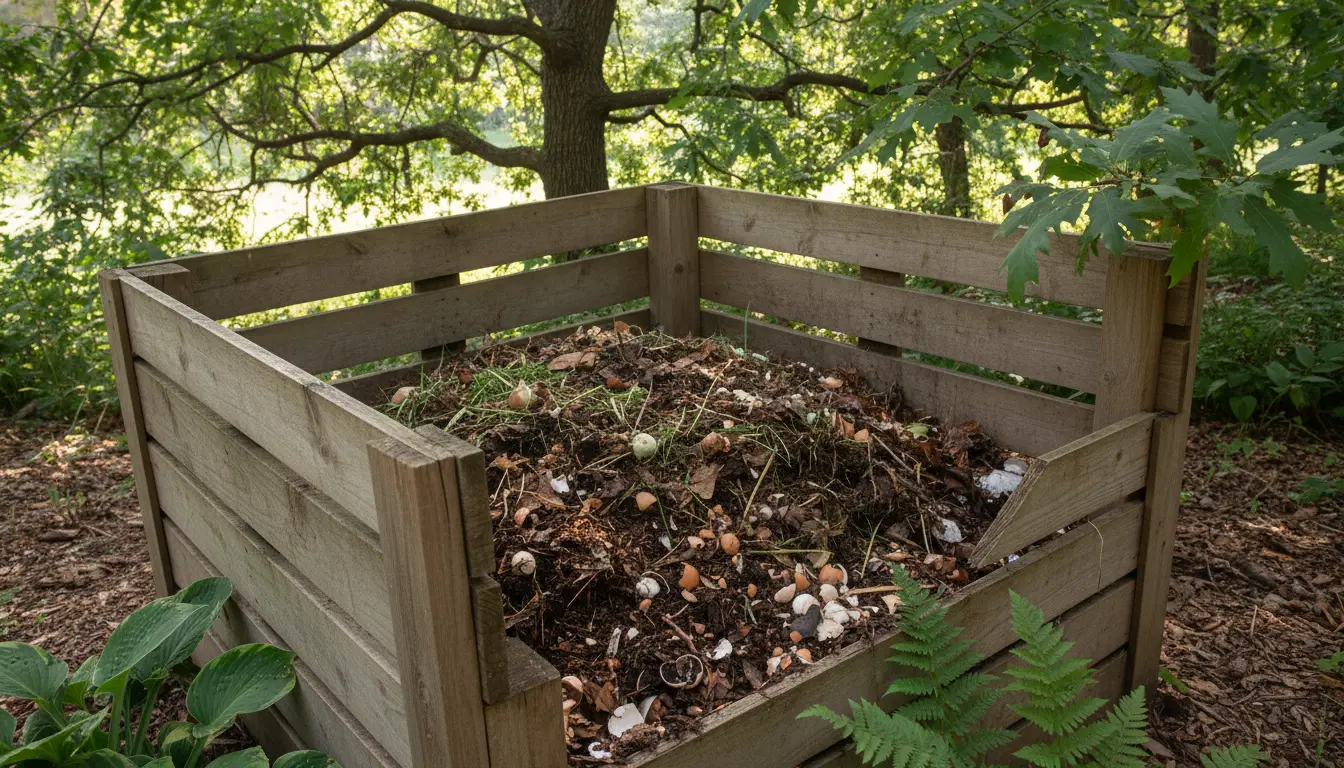
Composting at home turns kitchen scraps and yard waste into valuable soil. This guide shows practical steps for successful home composting, whether you have a backyard or a small balcony.
Why Home Composting Matters
Home composting reduces household waste and improves soil quality for plants. It helps lower landfill contributions and cuts greenhouse gas emissions from decomposing organics.
Benefits of Home Composting
- Reduces trash volume and disposal costs.
- Produces nutrient-rich compost to improve soil structure.
- Retains moisture and reduces need for chemical fertilizers.
- Supports beneficial microbes and earthworms in soil.
Getting Started with Home Composting
Choose a simple setup based on available space and time. Even small-scale systems can produce useful compost for potted plants and garden beds.
Basic Steps for Home Composting
- Pick a compost method (bin, tumbler, or worm bin).
- Select a dry, shaded spot if outdoors; choose a ventilated corner if indoors.
- Balance green and brown materials and maintain moisture.
- Turn or aerate regularly until material looks dark and crumbly.
Choosing a Composting Method
Your choice depends on available space, budget, and how fast you want compost. Each method has pros and cons.
Common Home Composting Methods
- Stationary bin: Low cost, good for yards, requires manual turning.
- Tumbler: Faster decomposition with easy turning, ideal for small yards.
- Vermicomposting (worm bin): Best for apartments, efficient for kitchen scraps, produces liquid fertilizer.
- Trench composting: Directly bury scraps in garden beds for slow decomposition.
What to Compost and What to Avoid
Knowing what to add keeps your home compost healthy and pest-free. Aim for a mix of nitrogen-rich and carbon-rich materials.
Can Compost
- Vegetable and fruit scraps
- Coffee grounds and used tea bags (no staples)
- Eggshells (crushed)
- Yard waste: leaves, grass clippings (in moderation)
- Paper towels and shredded paper (uncoated)
Do Not Compost
- Meat, fish, bones, and dairy (attract pests and smell)
- Oily or greasy foods
- Petted animal waste (risk of pathogens)
- Diseased plants or weeds that set seed
- Colored glossy paper or coated cardboard
Maintaining Your Home Compost
Proper maintenance speeds breakdown and prevents problems. Focus on aeration, moisture, and balance.
Key Maintenance Tips
- Turn the pile every 1–2 weeks to add oxygen.
- Keep it as moist as a wrung-out sponge; add water in dry weather.
- Add browns (dry leaves, shredded paper) if smell or sogginess appears.
- Chop large items to speed decomposition.
Common Problems and Fixes
- Bad odor: Add dry carbon material and turn more frequently.
- Slow breakdown: Increase surface area by chopping materials and ensure the pile is moist and warm.
- Pests: Avoid meat and keep the bin closed; bury new scraps under a layer of browns.
A typical family of four can divert up to 600 pounds of food waste from the landfill each year by composting at home. That material can become 150–200 pounds of finished compost.
Small Real-World Example
Case study: Sarah, an apartment dweller, started vermicomposting in a 10-liter worm bin. She collected kitchen scraps for six months and produced about 40 liters of worm castings. Her indoor plants grew more vigorously and required less watering.
Sara’s routine included placing a small food-scrap container under the sink, emptying it into the worm bin twice a week, and adding shredded newspaper for balance. She reported cutting her organic waste by more than half and saving on store-bought potting mix.
Practical Tips to Make Home Composting Work
- Start small and scale up as you learn what works.
- Keep a small counter container lined with a paper towel to reduce odor before transporting scraps.
- Record what you add if you troubleshoot problems; simple notes help identify imbalances.
- Use finished compost as a top dressing or mix into potting soil for best results.
Home composting is a low-cost, high-impact way to reduce waste and enrich soil. With basic tools and a little routine, most households can produce nutrient-rich compost for gardens and houseplants.
Try one method for a few months, observe results, and adjust inputs and turning frequency. Small changes lead to steady improvements in both compost quality and waste reduction.