
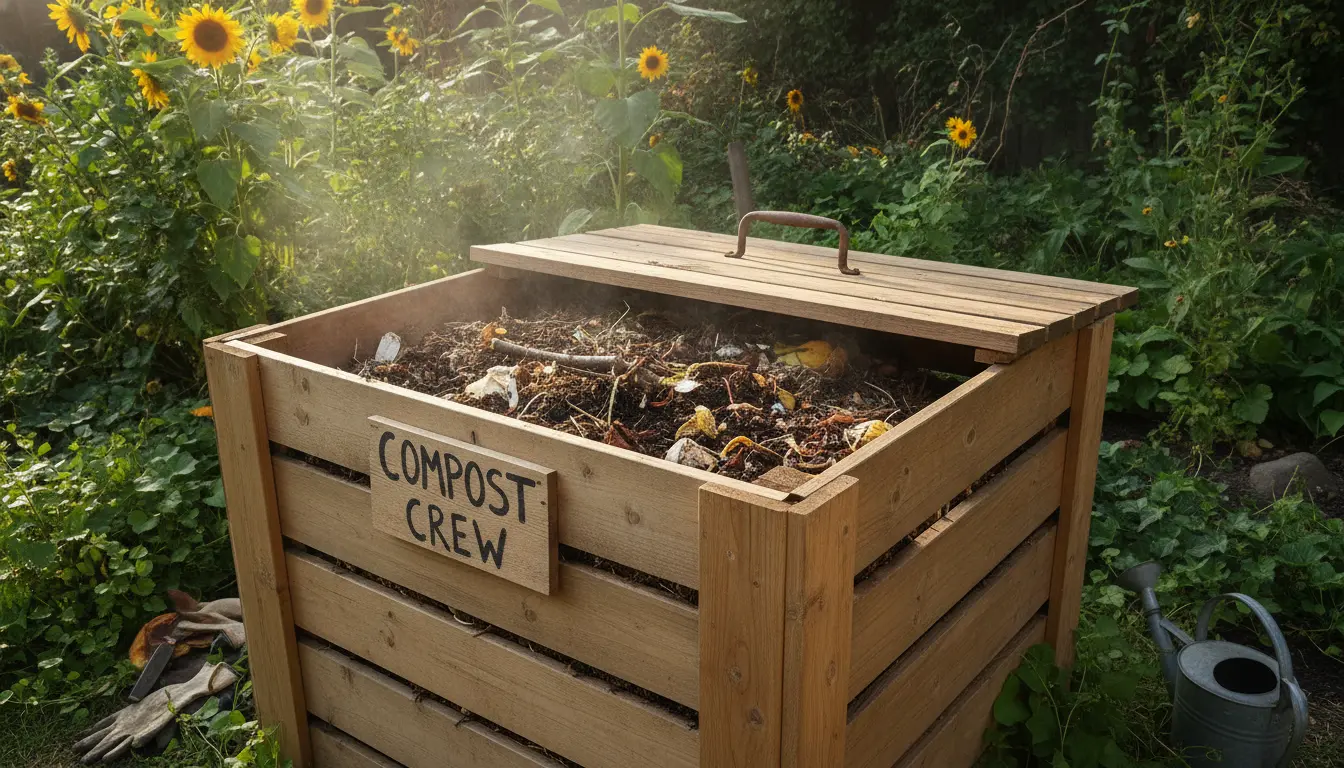
What Is Home Composting?
Home composting is the natural breakdown of organic kitchen and garden waste into a nutrient-rich soil amendment. It reduces household waste and creates material you can use in pots, garden beds, or indoor plants.
Why Choose Home Composting for Beginners?
Starting composting at home is inexpensive and practical for most households. Beginners can scale methods to fit space, time, and comfort with odors or pests.
Getting Started with Home Composting for Beginners
Begin by choosing a method that suits your home and lifestyle. Options include backyard piles, tumblers, and small indoor or balcony systems like worm bins.
Follow simple setup steps to establish a successful compost routine and avoid common pitfalls.
Basic Materials and Tools
- A container or bin sized for your available space
- Garden fork or small pitchfork for turning (optional for worm bins)
- Kitchen pail for collecting scraps
- Shredding tool or scissors for larger brown materials
Starter Steps
- Pick a bin: closed tumbler for neat spaces, open pile for gardens, worm bin for apartments.
- Layer carbon-rich brown materials (dry leaves, shredded paper) with nitrogen-rich green materials (fruit and vegetable scraps, coffee grounds).
- Keep the pile moist like a wrung-out sponge and turn periodically to add oxygen.
- Expect finished compost in 2 months to a year depending on method and maintenance.
Choosing a Compost Bin for Home Use
Select a bin based on space, budget, and the amount of waste you create. Bin choice affects speed, smell control, and maintenance work.
Common Bin Types
- Open pile: cheapest and simple for yards; requires more space and occasional turning.
- Tumbler: faster and neater; good for small yards and homeowners who want less work.
- Worm bin (vermicompost): ideal for balconies and apartments; processes food scraps quickly without odors when managed correctly.
What to Compost and What to Avoid
Knowing what goes in the bin keeps pests away and speeds decomposition. Use a balanced mix of greens and browns for best results.
Good Items to Compost
- Fruit and vegetable scraps
- Coffee grounds and tea bags (remove staples)
- Eggshells (crushed)
- Yard waste: grass clippings, leaves
- Shredded paper, cardboard (non-glossy)
Items to Avoid
- Meat, fish, dairy, and oily foods (attract pests)
- Diseased plants or chemically treated wood
- Pet waste from carnivores
- Large branches that take long to break down
Troubleshooting Common Problems
Many beginners encounter slow breakdown, bad smells, or pests. Most problems are easy to fix with simple adjustments.
Slow Composting
Likely causes are insufficient nitrogen, too-large materials, or low moisture. Add more greens, chop materials smaller, and moisten the pile.
Bad Odors
Smells usually mean too much wet material or not enough air. Turn the pile and add dry brown materials like leaves or shredded paper.
Pests and Flies
Cover food scraps with brown material each time and avoid meat or dairy. Use sealed bins or place a wire mesh under a pile to deter rodents.
Small Case Study: Apartment Composting Success
Sarah, a renter in a two-bedroom apartment, started a worm bin under her kitchen sink. She used a 10-liter plastic bin with ventilation holes and layered bedding made from shredded newspaper.
After three months of regular food scrap additions and occasional harvests, Sarah produced enough vermicompost to nourish her balcony herb garden. She reduced her kitchen waste by roughly 40 percent and noticed healthier plants.
How to Use Finished Compost
Finished compost looks crumbly, dark, and earthy-smelling. Use it to top dress potted plants, mix into potting soil, or work into garden beds before planting.
Apply a thin layer around plants or mix 10 to 30 percent compost into existing soil to improve structure and nutrients.
Quick Tips for Home Composting for Beginners
- Keep a small counter bucket for daily scraps to reduce trips outside.
- Chop or shred materials to speed decomposition.
- Monitor moisture and aerate regularly if using a traditional pile or tumbler.
- Label bins and keep a simple do-not-compost list for household members.
Final Checklist Before You Start
- Choose a bin suited to your space and tolerance for maintenance.
- Gather brown and green materials before you begin.
- Decide on a turning schedule and a location that is convenient.
- Commit to small, consistent actions and adjust as you learn.
Home composting for beginners is an approachable way to reduce waste and improve soil health. With the right method and a little regular care, most households can produce usable compost within months.