
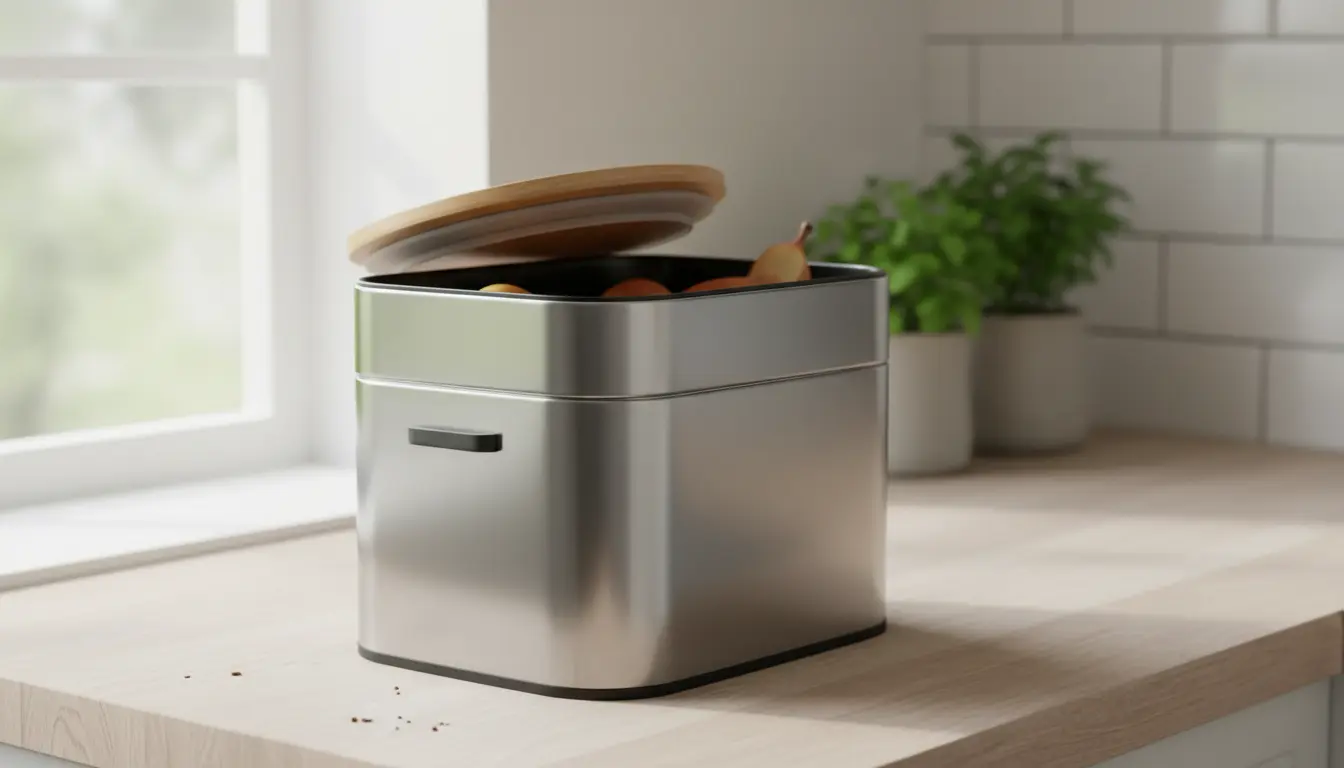
Home Composting for Beginners: Getting Started
Home composting turns kitchen scraps and yard waste into a valuable soil amendment. This guide explains simple, practical steps to begin composting at home, whether you have a yard or a small balcony.
Why Start Home Composting
Composting reduces household waste and cuts grocery costs by improving soil health. It also helps retain moisture in garden beds and reduces the need for chemical fertilizers.
About 30 percent of household waste is compostable food and yard material. Composting at home can significantly lower your trash volume.
Choosing a Method for Home Composting
Choose a method that fits your space, time, and appetite for maintenance. The main options are outdoor bins, tumblers, and indoor vermicomposting.
Home Composting for Beginners: Outdoor Bin
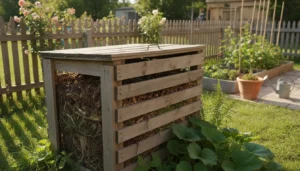
A simple DIY or store-bought bin works for most yards. It’s low-cost and requires regular turning to speed decomposition.
Home Composting for Beginners: Tumbler
Tumblers make turning easier and are good for people who want faster results with less manual labor. They are suitable for small yards or patios.
Home Composting for Beginners: Vermicomposting
Vermicomposting uses worms to break down food waste. It’s ideal for apartments and produces very rich compost, but requires a bit more attention to moisture and temperature.
What to Compost
Balance “greens” (nitrogen) and “browns” (carbon). A good rule is roughly 2:1 browns to greens by volume for many systems.
- Greens: fruit and vegetable scraps, coffee grounds, tea bags, fresh grass clippings.
- Browns: dry leaves, shredded paper, cardboard, straw, wood chips.
- Avoid: meat, dairy, oils, diseased plants, pet waste, and large amounts of citrus or onion in small systems.
Setting Up Your Bin

Pick a level spot with partial shade to keep moisture balanced. Ensure drainage and some airflow to avoid odors.
- Start with a layer of coarse browns (twigs or straw) to help drainage.
- Add alternating layers of greens and browns, keeping pieces small for faster breakdown.
- Maintain moisture like a wrung-out sponge—damp but not dripping.
Maintaining Your Compost
Regular care speeds decomposition and prevents problems. Turning and monitoring are the main tasks.
- Turn the pile every 1–2 weeks to aerate and mix materials.
- Monitor temperature: active compost heats to 120–150°F (49–66°C). Lower temps indicate slower activity.
- Add water if dry and add more browns if it smells sour.
Troubleshooting Common Problems
Most issues are easy to fix once you know the signs. Check these common problems and solutions.
- Bad smell: add more dry browns and turn the pile to introduce air.
- Slow decomposition: chop materials smaller and maintain moisture and temperature.
- Pests: avoid meat and oily foods, use a closed bin or tumbler, and bury food scraps under browns.
How Long Until Compost Is Ready?
Compost time varies by method and conditions. With active management, you can get finished compost in 2–4 months. Passive piles may take 6–12 months.
Using Finished Compost
Finished compost is dark, crumbly, and earthy-smelling. Use it as a soil amendment, top dressing, or potting mix ingredient.
- Mix 10–20% compost into garden soil when planting.
- Top-dress lawns or beds to improve structure and moisture retention.
- Blend with potting soil for container plants.
Small Real-World Example
Case Study: A two-person apartment household used a 20-liter vermicompost bin for 12 months. They diverted about 150 kg of food waste from the trash and produced 20 liters of rich worm castings.
Outcome: They used the compost on balcony herbs, observed healthier plants, and reduced weekly trash volume by half.
Quick Tips for Success
- Chop kitchen scraps to speed breakdown.
- Keep a balance of browns and greens to avoid odors.
- Collect scraps in a sealed container if you have pests or limited space.
- Record what you add and how the pile responds to refine your process.
Final Notes for Home Composting for Beginners
Start small and learn by doing. Composting is forgiving—adjust the mix, moisture, and turning frequency as you observe results.
With a consistent routine and the right method for your living situation, home composting becomes an easy and rewarding part of sustainable living.