
Home Composting Basics
Home composting is a simple way to turn kitchen scraps and yard waste into nutrient-rich soil. It reduces trash, lowers methane from landfills, and benefits your garden.
This guide gives practical steps and troubleshooting tips so you can start composting at home with confidence.
Why choose home composting
Composting at home saves money on fertilizer and improves soil structure. It also keeps useful organic matter in the local ecosystem instead of sending it to a landfill.
Setting Up Your Home Composting System
Choose a system that fits your living situation. Options include a simple pile, a closed bin, or a worm (vermicompost) setup for indoor use.
Choosing a Compost Bin for Home Composting
Consider size, airflow, and ease of turning. For small spaces, a 20 to 60 liter tumbling bin or a worm bin works well. For yards, a 200 to 600 liter stationary bin is common.
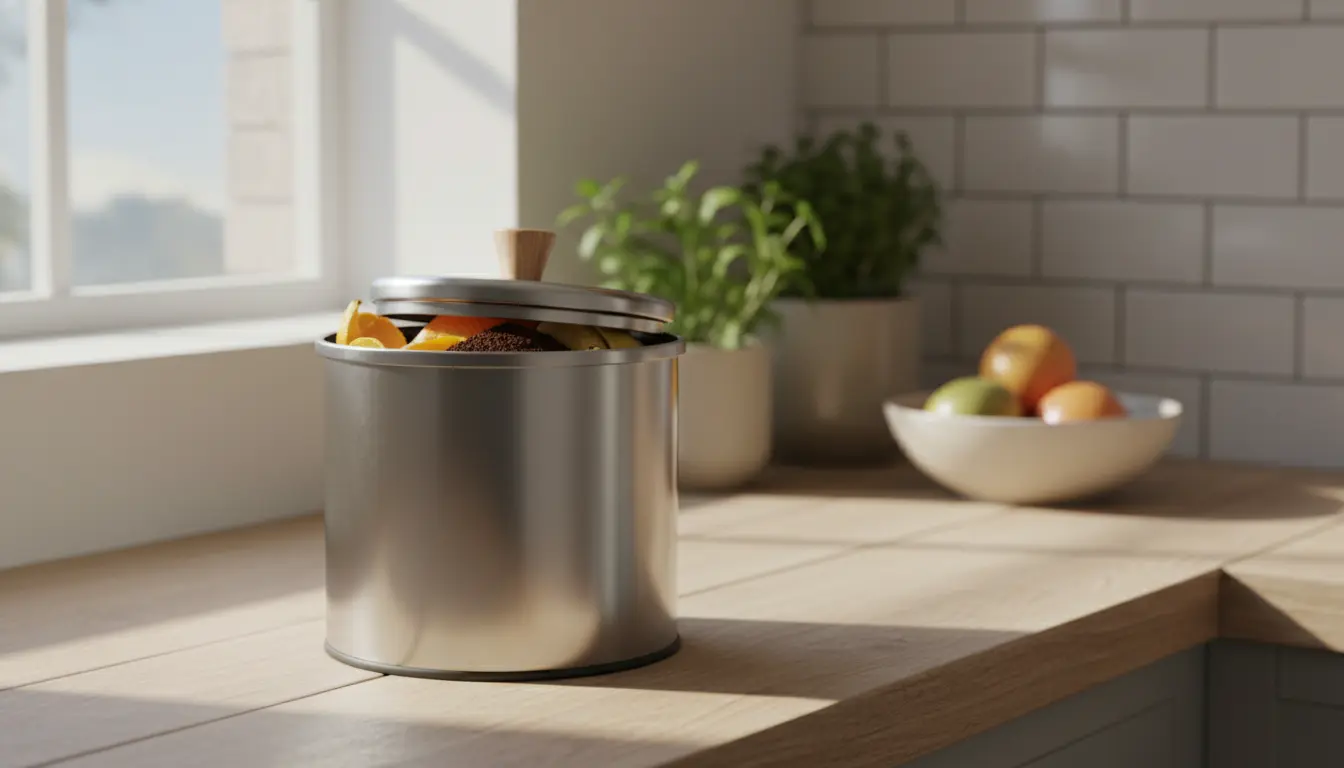
- Small apartment: worm bin or countertop compost pail + municipal pickup.
- Small yard: medium closed bin or tumbler.
- Large yard: open pile or multiple bins for staged composting.
Location and basic setup
Place the bin on soil or a breathable surface to allow drainage and organism access. Keep it in partial shade to avoid drying out in hot weather.
Start with a base layer of coarse material like twigs or straw to improve airflow at the bottom.
What to Compost in Home Composting
Compostable items fall into two groups: greens and browns. Balance these for efficient decomposition.
Balancing Greens and Browns in Home Composting
Greens are nitrogen-rich and moist. Browns are carbon-rich and dry. Aim for roughly a 2:1 or 3:1 ratio of browns to greens by volume.
- Greens: fruit and vegetable scraps, coffee grounds, fresh grass clippings.
- Browns: dry leaves, shredded paper, cardboard, straw, sawdust.
Example: for one bucket of kitchen scraps, add two to three buckets of shredded leaves or torn cardboard.
What to avoid
Avoid meat, dairy, oily foods, diseased plants, and pet waste in most home compost systems. These attract pests and can cause odors.
Tending Your Home Composting Pile
Good airflow, moisture, and periodic mixing speed up composting. Check these weekly for best results.
Turning and moisture for home composting
Turn the pile every 1 to 2 weeks to introduce oxygen and even out decomposition. The moisture level should be like a wrung-out sponge: damp but not dripping.
- If too dry: add water and more greens.
- If too wet or smelly: add dry browns and turn more often.
How long until finished
Finished compost can take 2 months to a year, depending on materials, temperature, and how often you turn the pile. Hot, well-managed piles finish faster.
Adding a thin layer of finished compost to active piles introduces microbes and can speed decomposition.
Troubleshooting Home Composting Problems
Common problems are odor, pests, and slow breakdown. Each has clear fixes.
Bad smells
Smells usually mean too much wet, nitrogen-rich material or poor airflow. Mix in dry browns, open the pile, and turn it.
Pests and fruit flies
To reduce pests, bury kitchen scraps under 6 inches of browns and use a closed bin with a secure lid. For fruit flies, keep the indoor collection pail sealed and empty it often.
Slow decomposition
Slow breakdown often comes from low temperatures, lack of oxygen, or an imbalance of materials. Chop large pieces, add greens or nitrogen, and turn more frequently.
Small Case Study: A Balcony Compost Success
Maria lives in a two-bedroom apartment and started with a 20-liter worm bin. She collected kitchen scraps in a sealed countertop pail and emptied it into the worm bin twice a week.
Within three months she had enough worm castings to top dress two potted tomato plants. Food waste dropped by 40 percent and plant health improved noticeably.
Key choices: a compact worm bin, regular emptying of the indoor pail, and mixing in shredded paper as bedding.
Practical Tips to Start Home Composting Today
- Start small: try a worm bin or small tumbler to learn the basics.
- Keep a sealed countertop pail to reduce fruit flies.
- Chop or shred materials to speed decomposition.
- Track moisture and add browns when things get wet or smelly.
- Use finished compost as mulch, potting mix ingredient, or soil topper.
Conclusion: Start Home Composting Today
Home composting is an effective, low-cost way to reduce waste and improve soil. With a suitable bin, the right balance of materials, and basic maintenance, most households will see results in months.
Choose the method that fits your space, start with small steps, and adjust as you learn what works for your home.