
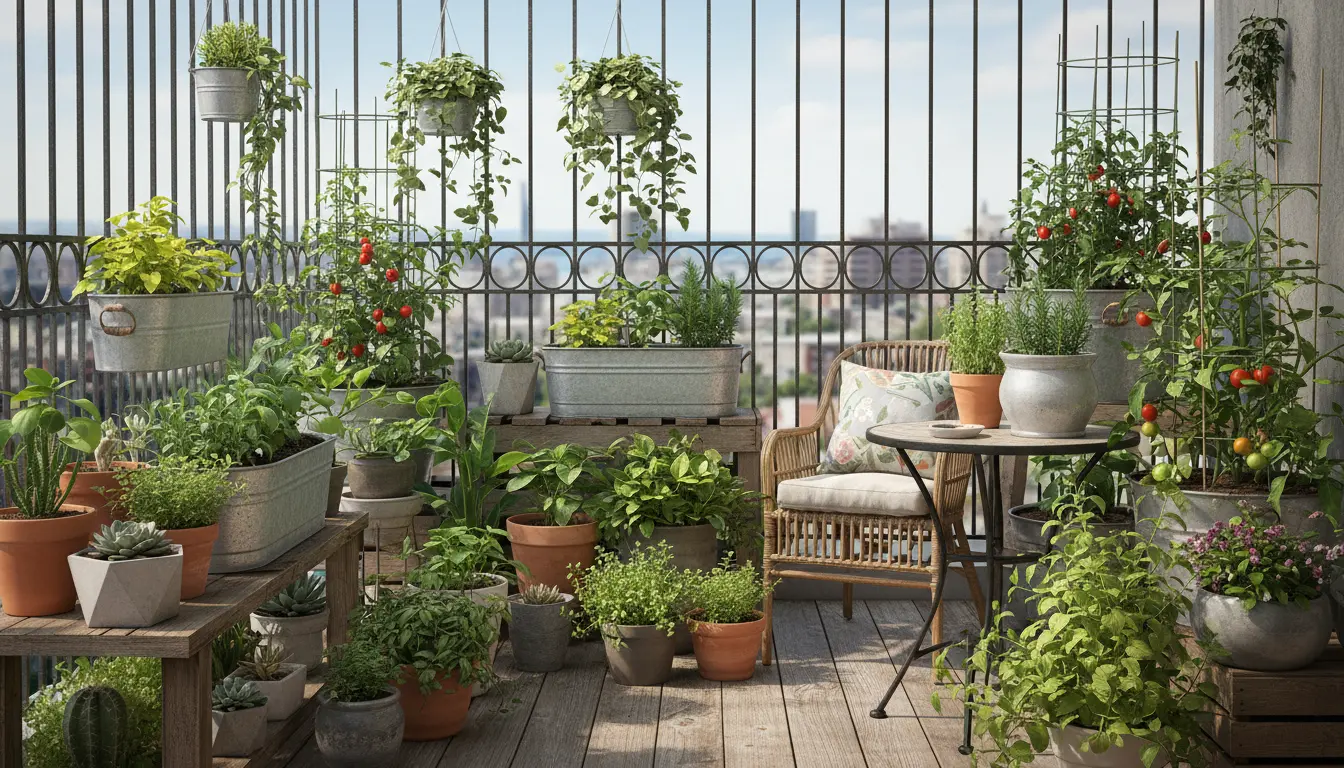
Container Gardening Basics
Container gardening is a practical way to grow vegetables, herbs, and flowers in limited spaces like balconies, patios, or small yards. It uses pots, planters, and other containers instead of traditional garden beds.
This guide covers the essentials: choosing containers, soil, plants, watering, and maintenance. Follow these steps to get consistent results in a compact space.
Choosing Containers for Container Gardening
Pick containers based on the plants you want to grow and the space available. Containers come in plastic, terracotta, wood, fabric, and metal. Each has pros and cons for weight, drainage, and temperature.
Consider these container rules:
- Use at least 5 gallons for small vegetables like herbs and lettuce.
- Use 10–20 gallons for larger plants like tomatoes or peppers.
- Ensure good drainage—drill holes if needed.
- Lightweight containers are easier to move and position for sun.
Soil and Fertilizer for Container Gardening
Use a high-quality potting mix designed for containers. Avoid garden soil, which compacts and drains poorly in pots.
Look for mixes containing peat, coconut coir, perlite, or vermiculite. These components retain moisture and allow air to roots.
- Start with a balanced slow-release fertilizer at planting.
- Top up with liquid feed every 2–4 weeks during the growing season.
- Monitor leaf color—pale leaves often indicate a need for nitrogen.
Light, Placement, and Sun for Container Gardening
Most vegetables need 6–8 hours of direct sun daily. Observe your space to find the sunniest spots.
If full sun isn’t available, choose shade-tolerant crops like leafy greens, herbs, and root vegetables. You can also use reflective surfaces to increase light.
Practical Placement Tips
- Place tall containers to the north or back so they don’t shade shorter plants.
- Rotate containers every week to promote even growth.
- Use plant stands or hangers to maximize vertical space.
Watering Strategies for Container Gardening
Containers dry out faster than ground soil. Water consistently to avoid stress and blossom end rot in tomatoes.
Best practices:
- Check soil by feel—water when the top inch is dry.
- Water thoroughly until water drains from the bottom.
- Use self-watering containers or add a drip irrigation line for reliability.
Watering Frequency Example
During warm weather, small pots may need daily watering, while large containers may need water every 2–3 days. Adjust for humidity and sun exposure.
Pest Control and Common Problems in Container Gardening
Containers reduce some pests but don’t eliminate them. Watch for aphids, whiteflies, slugs, and fungal issues.
- Inspect new plants before adding them to your containers.
- Use insecticidal soap or neem oil for soft-bodied insects.
- Ensure good air circulation to prevent powdery mildew.
Best Plants for Container Gardening
Many vegetables suit containers. Choose compact or determinate varieties for limited space.
- Leafy greens: lettuce, spinach, arugula
- Herbs: basil, parsley, chives, cilantro
- Fruiting plants: cherry tomatoes, peppers, dwarf eggplants
- Root crops: radishes, baby carrots, beets
Seasonal Care and Rotation for Container Gardening
Rotate crops seasonally to keep soil healthy. In summer, grow heat-loving plants. In cooler months, switch to hardy greens.
Refresh soil yearly or top-dress with compost to replenish nutrients and improve structure.
Container plants can be more productive per square foot than ground beds because you can control soil, light, and water precisely. Small spaces can yield surprisingly large harvests with proper care.
Simple Layouts and Space-Saving Ideas
Maximize yield with vertical and tiered setups. Use rail planters, wall pockets, and stacked pots for more plants in less floor space.
Companion planting can help save space and reduce pests. For example, plant basil near tomatoes to improve flavor and deter insects.
Quick Checklist for New Container Gardeners
- Choose the right container size for each plant.
- Use quality potting mix and start with fertilizer.
- Place containers for optimal sun exposure.
- Water consistently and monitor for pests.
- Rotate and refresh soil between seasons.
Case Study: Sarah’s Balcony Cherry Tomatoes
Sarah had a small south-facing balcony and wanted fresh tomatoes. She used two 15-gallon fabric pots filled with potting mix and planted determinate cherry tomato plants.
She followed a routine: morning watering, weekly liquid fertilizer, and pruning side shoots. In four months she harvested 20–25 pounds of tomatoes from two pots.
Key takeaways from Sarah’s case: proper container size, consistent watering, and regular feeding produced a high yield from limited space.
Conclusion: Start Small and Build Confidence
Container gardening is accessible and flexible. Start with a few containers and easy crops, then expand as you learn what works in your microclimate.
With the right containers, soil, water routine, and plant choices, you can grow productive and attractive edible plants even in tiny spaces.