
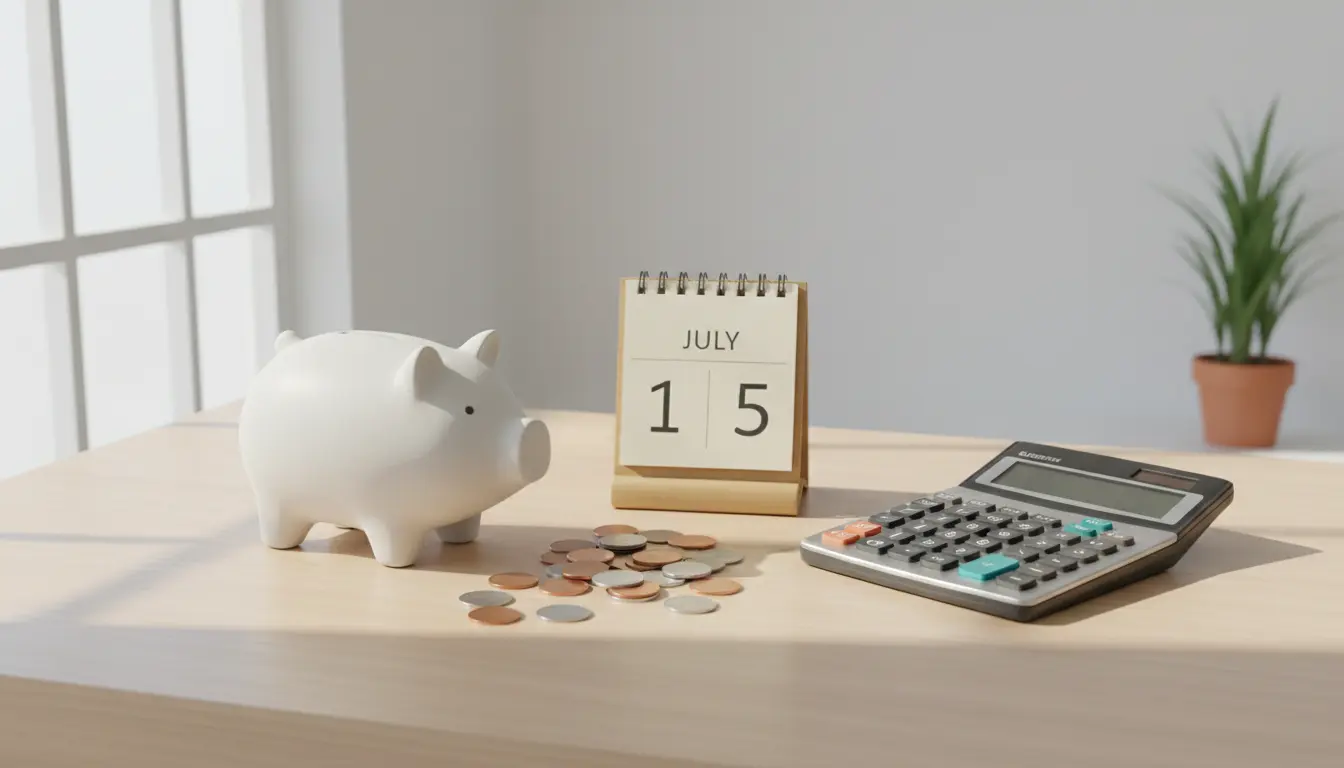
Why an Emergency Fund Matters
An emergency fund is a cash reserve set aside for unexpected expenses like medical bills, car repairs, or job loss. It prevents reliance on high-interest credit and reduces financial stress.
Building this fund improves financial stability and gives you time to make reasoned decisions during disruptions. Treat it as the foundation of any sound personal finance plan.
How to Build an Emergency Fund

Follow a simple, repeatable process to grow your emergency fund. Consistency matters more than speed, so choose steps you can maintain.
1. Set a Target Amount
Common advice suggests saving three to six months of essential expenses. Calculate your monthly essentials first: rent or mortgage, utilities, groceries, insurance, and loan payments.
Use a conservative range: aim for three months if you have stable income and six months if income is irregular or you have dependents.
2. Break the Goal into Small Steps

Large targets can be intimidating. Break the goal into smaller milestones to maintain motivation.
- Start with $500 to cover minor emergencies.
- Next milestone: $1,500 for larger short-term needs.
- Then move to your full three- to six-month target.
3. Automate Savings
Automation reduces friction and temptation to spend. Set up a recurring transfer from checking to your emergency-savings account each payday.
Even small automated amounts add up. Consider starting with 5% of your paycheck and increasing this percentage annually.
4. Choose the Right Account

Keep the emergency fund liquid and accessible but separate from everyday accounts. Options include high-yield savings accounts or money market accounts.
Prioritize easy access, low fees, and competitive interest. Avoid tying emergency funds to long-term investments that can drop in value during market downturns.
5. Trim Expenses and Redirect Savings
Identify recurring costs you can reduce and redirect those savings to your emergency fund. Small changes make a big difference over time.
- Negotiate or switch service providers for lower bills.
- Pause nonessential subscriptions while building the fund.
- Cook at home more often or reduce discretionary spending temporarily.
6. Use Windfalls Wisely
Tax refunds, bonuses, and gifts are excellent opportunities to jump-start savings. Allocate a portion or all of a windfall to your emergency fund rather than spending it immediately.
This accelerates progress without changing your regular budget.
7. Maintain and Replenish
Once you reach your target, keep the habit of saving by allocating a smaller monthly amount to maintain the balance. If you use the fund, plan a specific repayment schedule.
Regular reviews of your budget and target ensure the fund stays aligned with life changes like new dependents or altered living costs.
Having an emergency fund reduces the likelihood of using credit cards for unexpected costs by over 70% according to household finance surveys. Even small reserves dramatically lower financial vulnerability.
Practical Tips for Faster Progress
Apply targeted tactics to speed up savings without creating unnecessary strain.
- Round-up apps: Save spare change automatically with round-up transactions.
- Side income: Use gig work or freelancing to fund the emergency account until it reaches target.
- One-month challenge: Try a no-spend month for nonessentials and funnel the savings into your emergency fund.
Where Not to Keep an Emergency Fund
Avoid accounts that lock your money for long periods or carry high penalties. Retirement accounts and certificates of deposit with long terms are poor choices for emergency cash.
Also avoid keeping the fund in an account with high fees or low accessibility.
Case Study: One Family’s Practical Path
Sara and James are a two-income household with one child. Their monthly essentials total $3,200. They set a three-month emergency target of $9,600.
They started with a $500 cushion, then automated $300 monthly transfers. After receiving a $1,200 tax refund, they applied half to their fund. Within eight months they reached the three-month target while maintaining regular expenses.
When a sudden car repair cost $1,800, they used the fund and immediately resumed their automated transfers to restore the balance in three months. Their approach combined automation, windfall use, and modest lifestyle adjustments.
Common Questions About Emergency Funds
How much should a single person save?
A reasonable starting goal is three months of essential expenses. Adjust upward if income is irregular or if you have significant risks.
Can I invest part of my emergency fund?
Keep emergency savings liquid. Investing in stocks or long-term instruments risks losses when you need cash quickly. Conservative, liquid accounts are best.
Final Checklist to Start Today
- Calculate monthly essentials to set your target.
- Open a separate high-yield savings or money market account.
- Automate transfers each payday.
- Redirect windfalls and trim nonessential costs.
- Replenish promptly if you withdraw funds.
Building an emergency fund is achievable with consistent, small actions. Follow these practical steps and review your plan annually to keep your finances resilient.