
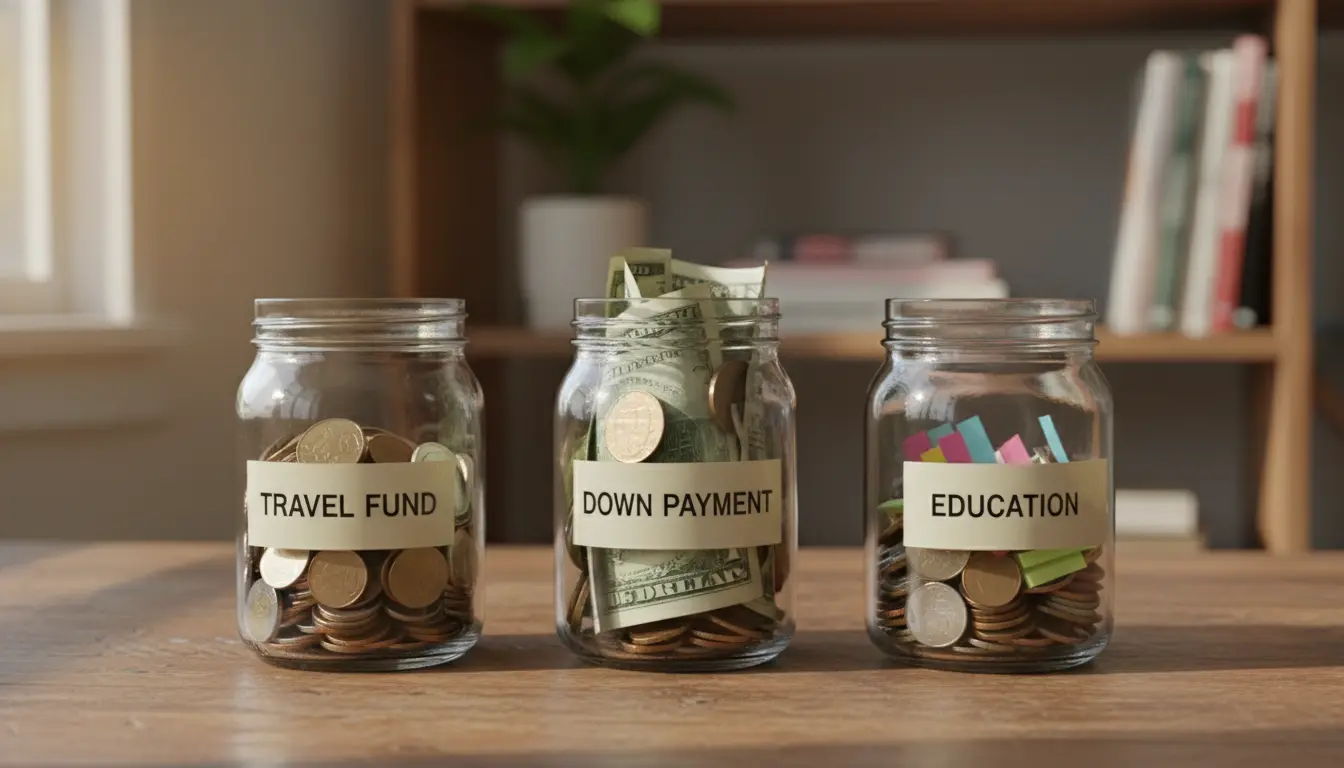
An emergency fund is a dedicated cash reserve for unexpected expenses like car repairs, medical bills, or temporary job loss. Building one protects your finances and reduces stress when surprises happen.
Why an Emergency Fund Matters
Having an emergency fund prevents reliance on high-interest debt such as credit cards or payday loans. It also gives you time to make better decisions instead of reacting under pressure.
Who needs an emergency fund?
Everyone benefits from a reserve, but the amount varies by situation. Freelancers, gig workers, and households with one income typically need larger cushions than dual-income families with stable jobs.
How to Build an Emergency Fund: Clear Steps
Follow these instructions to create a fund that actually works for your life. Each step is actionable and uses simple math you can apply today.
Step 1: Define your emergency fund goal
Decide how many months of expenses you want to cover. Common targets are:
- 3 months of essential expenses — basic protection for most households
- 6 months of expenses — better for single-income households or variable income
- 9–12 months — for high risk, recent job changes, or no unemployment insurance
Calculate your essential monthly expenses: rent/mortgage, utilities, groceries, insurance, debt minimums, and transportation. Multiply by the number of months you choose.
Step 2: Set a timeline and monthly target
Break the overall goal into a monthly saving target. If you need $6,000 and want it in 12 months, save $500 a month. A clear weekly or monthly number makes the goal achievable.
Step 3: Automate your savings
Automate transfers from checking to a dedicated savings account each payday. Automation reduces decision fatigue and prevents accidental spending.
- Use a high-yield savings account for better interest.
- Keep the account separate from daily spending accounts.
- Label the account clearly so you don’t mix funds.
Step 4: Reduce expenses and increase inflows
Free up cash by trimming nonessential spending and increasing income where possible. Small changes compound into meaningful savings.
- Negotiate recurring bills (internet, insurance, subscriptions).
- Temporarily cut discretionary items (dining out, streaming services).
- Pick up side gigs, sell unused items, or request overtime.
Step 5: Use windfalls wisely
Direct tax refunds, bonuses, and one-time gifts into the emergency fund until you reach your goal. Once funded, redirect those windfalls to retirement or debt repayment.
Where to Keep the Fund
Choose a safe, liquid account that is separate from your spending money. Options include high-yield savings accounts, money market accounts, or short-term certificates of deposit staggered for liquidity.
Avoid tying the emergency fund to volatile investments. The point is immediate access without market risk.
How to Use the Emergency Fund
Use the fund only for true emergencies: unexpected medical bills, urgent home or car repairs, or essential living expenses during job loss. Do not use it for planned purchases or regular bills you should budget for.
About 40% of adults would struggle to cover a $400 emergency without borrowing or selling something, according to national surveys. A small cushion reduces that risk dramatically.
Maintaining and Rebuilding Your Fund
After using the fund, prioritize rebuilding it to your target. Make a temporary savings plan and resume automated transfers. Treat rebuilding like setting up the fund for the first time.
Review the size every year or when your life changes—new job, child, home purchase, or shift in healthcare costs may mean you need a different target.
Practical tips to keep it intact
- Keep one emergency card or account for quick access, not multiple sources that cause confusion.
- Restrict use with mental rules: if it’s not an immediate necessity, don’t touch it.
- Use separate sinking funds for planned major expenses (car replacement, vacations) so the emergency fund remains untouched.
Real-World Example: A Small Case Study
Maria is a single freelance designer with irregular income. She calculated her essential monthly costs at $2,000 and chose a 6-month target of $12,000.
Her plan:
- Automate $500 per month into a high-yield savings account.
- Allocate 20% of any client bonus or tax refund to the fund.
- Trim $150 a month by canceling one streaming service and renegotiating internet fees.
After 18 months she reached her goal earlier than expected due to a small side project that added $3,500. When her laptop needed replacement, she used the fund for an emergency repair and replenished it within four months with the automated plan.
Quick Checklist to Start Today
- Calculate essential monthly expenses.
- Choose a months-of-expenses target.
- Open a separate high-yield savings account.
- Automate transfers each paycheck.
- Use windfalls and reduce nonessentials until funded.
Building an emergency fund is a practical, attainable step to greater financial stability. With clear goals, automation, and simple maintenance rules, you can protect yourself from common financial shocks and avoid costly debt.