
How to Start an Organic Vegetable Garden: Plan First
Starting an organic vegetable garden begins with a clear plan. Assess your space, sunlight, and water access before you dig.
Choose a location that gets at least six hours of direct sun. Note where shade falls during the day to avoid surprises.
How to Start an Organic Vegetable Garden: Choose What to Grow
Pick plants that suit your climate and skill level. Fast-growing and forgiving crops work well for beginners.
- Easy starters: lettuce, radishes, bush beans, herbs
- More involved: tomatoes, peppers, brassicas
- Consider seasonality: cool-season vs warm-season crops
How to Start an Organic Vegetable Garden: Soil and Beds
Healthy soil is the foundation of organic gardening. Focus on building nutrient-rich, well-draining soil before planting.
Raised beds or in-ground rows both work. Raised beds warm faster and offer better control over soil quality.
Prepare Soil to Start an Organic Vegetable Garden
Test soil pH if possible. Most vegetables prefer a pH between 6.0 and 7.0. Adjust with lime or sulfur only if needed.
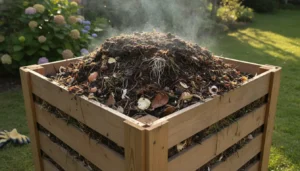
Add organic matter to improve texture and fertility. Compost and well-rotted manure are top choices.
- Mix 2–4 inches of compost into topsoil
- Use mulch to retain moisture and suppress weeds
- Avoid synthetic fertilizers to keep the garden organic
How to Start an Organic Vegetable Garden: Planting Basics
Plant at the right time and depth for each seed or transplant. Follow seed packet instructions for spacing and depth.
Start with seedlings for tomatoes and peppers. Direct sow root crops and lettuces when the soil is workable.
Planting Tips to Start an Organic Vegetable Garden
- Stagger plantings of quick crops like lettuce to extend harvests
- Interplant compatible crops to use space efficiently
- Use row covers early in the season to protect seedlings from pests
How to Start an Organic Vegetable Garden: Water and Feeding
Water deeply and infrequently to encourage strong roots. Aim for consistent moisture rather than frequent shallow watering.
Feed with organic amendments. Compost tea, kelp meal, and fish emulsion are gentle, effective options.
Watering Routine for an Organic Vegetable Garden
- Water at the base of plants to keep leaves dry and reduce disease
- Morning watering reduces evaporation loss
- Install a drip irrigation system for efficiency if possible
How to Start an Organic Vegetable Garden: Pest and Disease Management
Organic pest control relies on prevention and cultural methods. Healthy soil and good spacing are your first defense.
Monitor plants regularly. Early detection of pests or disease makes organic remedies more effective.
Organic Methods to Start an Organic Vegetable Garden
- Encourage beneficial insects with diverse flowers and herbs
- Use physical barriers: row covers, netting, collars for seedlings
- Apply biological controls like Bacillus thuringiensis for caterpillars
- Remove diseased plant material promptly and compost or discard carefully
Adding just 1 inch of compost per year can increase soil water retention and nutrient supply. Over time this reduces the need for extra watering and feeds plants naturally.
How to Start an Organic Vegetable Garden: Crop Rotation and Yearly Care
Rotate crops each season to reduce pest buildup and nutrient depletion. Avoid planting the same family in the same spot two years in a row.
Plan a simple rotation: legumes one year, leafy greens the next, then fruiting crops. This keeps soil balanced and pests lower.
Seasonal Tasks to Start an Organic Vegetable Garden
- Spring: soil prep, sow cool-season crops, transplant seedlings
- Summer: thin, water, stake, harvest regularly
- Fall: remove spent plants, add compost, plant cover crops
Small Case Study: Backyard Turnaround
Mary had a small 8-by-8 foot patch with poor soil and lots of weeds. She built two 4-by-4 raised beds and filled them with a mix of native soil and compost.
In her first season she planted lettuce, bush beans, and cherry tomatoes. She mulched heavily and used a simple drip line for watering.
By the end of the season Mary had steady harvests and less weeding. The second season she added a cover crop over winter and saw fewer pests and better yields.
Quick Checklist to Start an Organic Vegetable Garden
- Choose a sunny spot and plan bed layout
- Test and improve soil with compost
- Select easy crops for your zone and season
- Water deeply, mulch, and monitor regularly
- Use organic pest controls and rotate crops yearly
Starting an organic vegetable garden is a steady process. Plan, build healthy soil, and use simple organic practices. Over time the soil will improve and yields will grow.