
How to Start a Vegetable Garden: Step by Step
Starting a vegetable garden is rewarding and manageable with basic planning. This guide gives clear, practical steps so you can begin growing vegetables at home.
Why start a vegetable garden
Growing your own vegetables saves money and improves food quality. It also gives you fresh produce, better flavor, and control over growing methods.
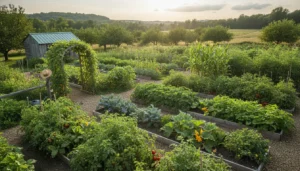
Beginners learn faster with small trials and seasonal crops that are forgiving and productive.
Choose the right spot to start a vegetable garden
Select a location that gets at least six hours of direct sunlight daily for most vegetables. Good light is one of the most important factors for success.
Consider access to water, slope, and protection from strong winds. Close proximity to your kitchen makes daily care and harvest easier.
Sunlight and spacing

Observe your yard for a few days to note sun patterns. Place taller plants so they do not shade shorter ones.
Plan for paths or stepping stones to avoid compacting soil around plant roots.
Prepare soil and compost
Healthy soil is the foundation of a productive vegetable garden. Aim for loose, well-draining soil rich in organic matter.
Test soil pH if possible; most vegetables prefer pH 6.0–7.0. Add amendments based on test results.
How to improve soil
- Add 2–4 inches of compost over the bed and work it into the top 6–8 inches of soil.
- Mix in well-rotted manure or a balanced organic fertilizer in early spring.
- For heavy clay, add coarse sand and compost to improve drainage.
Pick easy vegetables for beginners
Choose crops that germinate reliably and tolerate minor care mistakes. Fast results keep motivation high.
- Leafy greens: lettuce, spinach, Swiss chard
- Root crops: radishes, carrots
- Vining or bush plants: cherry tomatoes, bush beans, zucchini
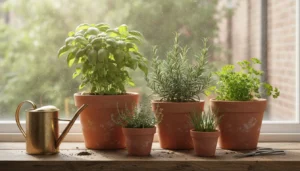
- Herbs: basil, parsley, chives
Planting and timing
Check your local last frost date; it determines when to sow seeds or transplant seedlings. Cool-season crops go in before the last frost, warm-season crops after.
Follow seed packet depth and spacing recommendations. Thin seedlings to avoid overcrowding and improve air flow.
Seed vs. transplants
Start many vegetables from seed directly in the ground for lower cost and variety. Use transplants for tomatoes, peppers, and eggplants to extend the growing season.
Watering and regular maintenance
Water deeply and less often rather than frequent shallow watering. Aim for 1–1.5 inches of water per week, adjusting for heat and rainfall.
Mulch between rows to conserve moisture, suppress weeds, and moderate soil temperature.
Weeding, staking, and pruning
- Weed regularly when plants are small to reduce competition.
- Stake tall plants like tomatoes and peas to keep fruit off the ground.
- Prune only when necessary to improve airflow and focus plant energy on fruiting.
Managing pests and diseases
Monitor plants weekly to spot problems early. Small issues are easier to correct than widespread damage.
Use these practical controls before chemicals: hand-pick pests, apply row covers, rotate crops, and introduce beneficial insects.
Common issues and fixes
- Aphids: spray with water or use insecticidal soap.
- Blight or fungal spots: improve air flow, remove infected leaves, avoid overhead watering.
- Cutworms: use collars or disturb the topsoil to reduce larvae.
Planting marigolds and nasturtiums near vegetables can deter some pests and attract beneficial insects. Companion planting is a simple, natural pest-management tactic.
Harvest and store your vegetables
Harvest regularly to encourage more production. Pick vegetables at recommended ripeness for best flavor and storage life.
Store crops appropriately: cool and dry for root vegetables, refrigerated for leafy greens, and room temperature for tomatoes until ripe.
Simple succession planting for steady harvests
Plant small amounts of fast-maturing crops every 2–3 weeks. This succession planting keeps your harvest continuous rather than all at once.
Example succession: sow radishes and lettuce early, then sow beans and late-season carrots as earlier crops finish.
Small real-world example
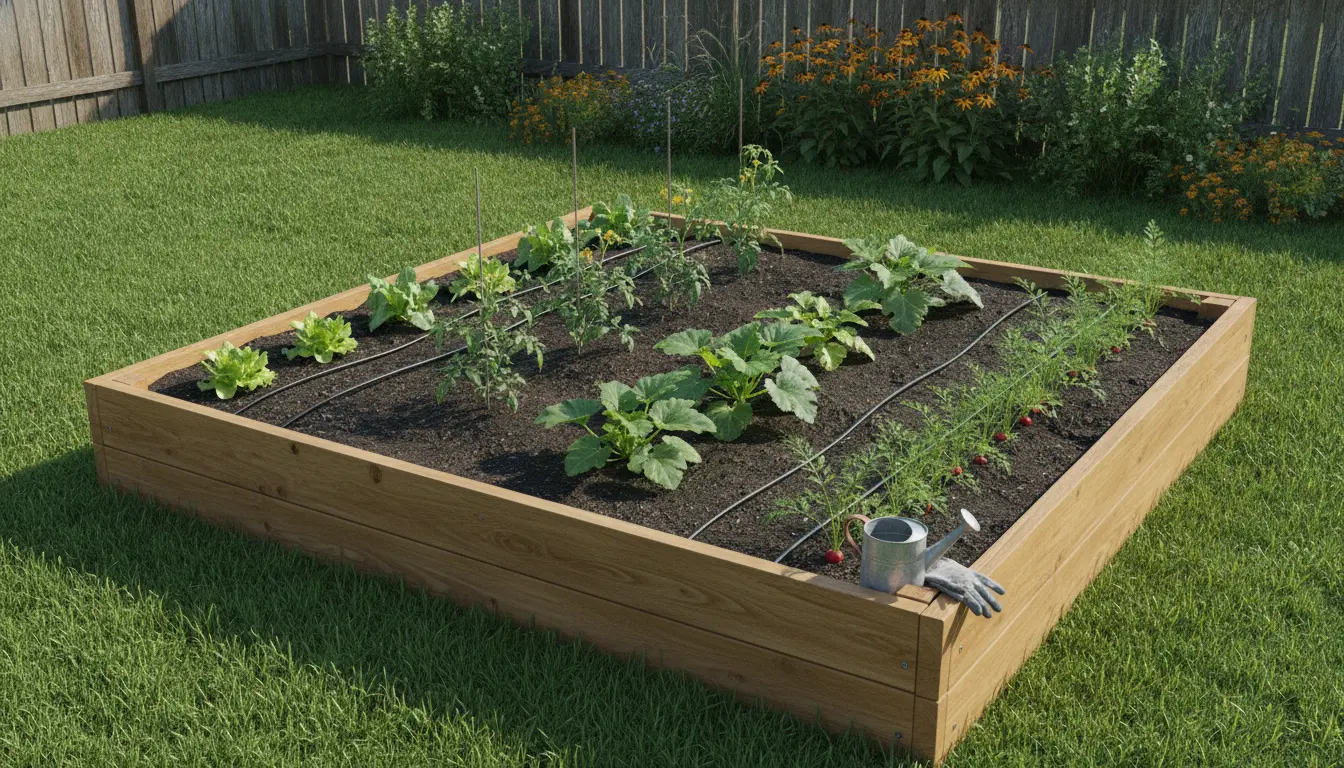
Case study: A beginner started a 10 by 10 foot raised bed in spring. They amended soil with 3 inches of compost, planted cherry tomatoes, bush beans, lettuce, and basil.
By mid-summer they harvested continuous lettuce and weekly tomato pickings. Minimal pest issues were handled by hand-picking and adding a layer of straw mulch. Their initial investment in soil and seedlings paid off within one season.
Final tips to start a vegetable garden successfully
- Start small and expand as you gain experience.
- Keep a simple journal of planting dates and results to learn seasonally.
- Join a local gardening group or online forum for region-specific advice.
With basic site selection, soil preparation, and timely care you can successfully start a vegetable garden and enjoy fresh homegrown produce.