
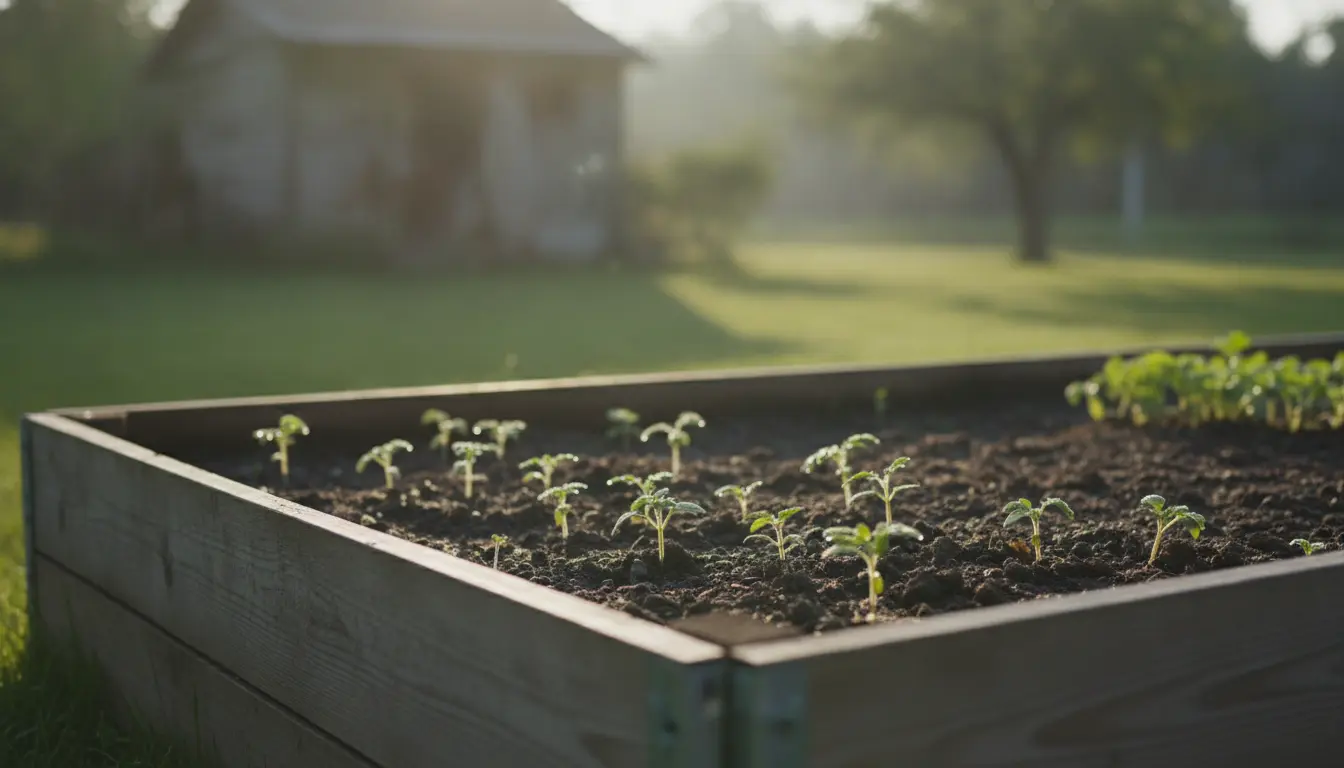
Plan Before You Start a Vegetable Garden
Starting a vegetable garden at home is more successful with a short plan. Decide what you want to grow and how much time you can dedicate each week.
Begin by listing easy vegetables for beginners such as lettuce, radishes, tomatoes, and beans. These give quick feedback and build confidence.
Choose a Location to Start a Vegetable Garden
Pick a spot with at least six hours of sun for most vegetables. Good drainage and proximity to a water source make daily care easier.
Consider visibility: a garden you can see from the kitchen or a path is more likely to be tended regularly.
Select Vegetables and Planting Times
Work with your growing zone and season length. Cool-season crops like spinach and peas go in early spring or fall, while warm-season crops like tomatoes need frost-free weeks.
Start small: a few beds or containers with 6–10 plants is easier to manage than a large plot.
Prepare Soil to Start a Vegetable Garden
Soil is the garden’s foundation. Healthy, loose soil gives roots air, water, and nutrients for steady growth.
Test the soil pH and texture. Many vegetables prefer a pH between 6.0 and 7.0.
Test and Improve Soil

Use a simple soil test kit or send a sample to a local extension. Based on results, add amendments like compost, lime, or sulfur.
Work in 2–4 inches of compost at planting time to improve structure and fertility. For heavy clay, add coarse sand and organic matter to break up compaction.
Raised Beds vs In-Ground
Raised beds warm faster in spring and offer better drainage, which helps crops establish quickly. In-ground beds are cheaper and can be expanded easily.
Choose what fits your space, budget, and time. A common beginner size is a 4×8 raised bed, which is easy to reach from both sides.
Planting and Care When You Start a Vegetable Garden
Follow seed packet instructions for spacing and depth. Crowded plants compete and yield less.
Keep a simple routine: check plants for water needs, remove obvious weeds, and watch for pests.
Watering Tips
Water deeply and less often to encourage strong roots. Aim for 1–1.5 inches per week, adjusting for rain and heat.
Use drip irrigation or a soaker hose to reduce evaporation and keep leaves dry, which helps prevent disease.
Fertilizing and Mulch
Apply a balanced slow-release fertilizer at planting and as needed during the season. Too much nitrogen causes leafy plants but fewer fruits.
Mulch with straw, shredded leaves, or bark to retain moisture and suppress weeds. Keep mulch an inch away from stems to avoid rot.
Pest and Weed Management for Home Vegetable Gardens
Most pest problems are manageable with monitoring and simple steps. Inspect plants weekly and remove pests by hand when practical.
Encourage beneficial insects by planting flowers like marigolds, calendula, or herbs near vegetables.
Organic Options
- Use row covers to protect seedlings from cabbage moths and flea beetles.
- Apply insecticidal soap for soft-bodied insects such as aphids.
- Rotate crops each year to reduce disease and pest buildup in the soil.
Harvesting, Rotation, and Ongoing Care
Harvest vegetables when they reach recommended size. Frequent harvesting of crops like beans and zucchini encourages more production.
At season end, remove spent plants and add them to the compost if disease-free. Rotate families of vegetables to different beds next year to break pest cycles.
One square foot of fertile soil can produce enough salad greens for a single person each week during the growing season. Small beds can feed a household when planned well.
Tools, Timeline, and a Small Case Study
Essential tools: a spade, garden fork, hand trowel, watering hose with spray, and gloves. Keep tools clean to prevent disease spread.
- Week 1: Choose site, test soil, order seeds or starts.
- Week 2: Build beds or loosen soil, add compost.
- Week 3: Plant cool-season crops; install irrigation.
- Weeks 4–12: Regular watering, weeding, and harvest as crops mature.
Case Study: Small Backyard Success
Maria converted a 4×8 patch into a raised bed in early spring. She filled it with homemade compost and planted lettuce, radishes, cherry tomatoes, and bush beans.
Within six weeks she harvested lettuce and radishes. By mid-summer, tomatoes and beans produced steady pickings. Maria spent about 30 minutes three times a week on care and avoided costly mistakes by starting small.
Common Mistakes When You Start a Vegetable Garden
- Planting too many varieties at once—start with a few reliable crops.
- Overwatering seedlings—keep soil damp, not soggy.
- Ignoring soil health—add compost every season for long-term fertility.
Starting a vegetable garden at home is a learning process. Plan simply, improve soil, plant with care, and schedule regular checks. With small steps you will build a productive garden that grows each year.