
What is Raised Bed Gardening
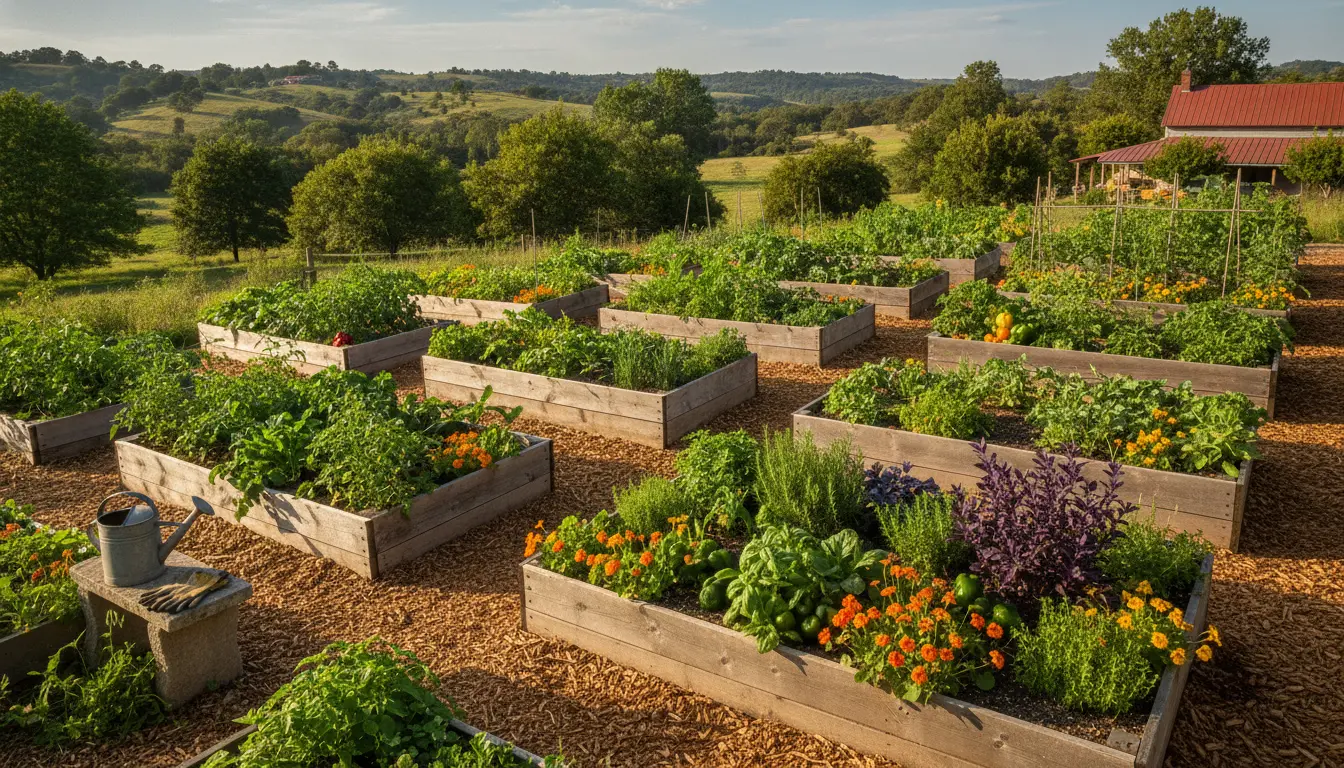
Raised bed gardening uses contained planting areas built above ground level. Beds can be made from wood, stone, or metal and hold a defined soil mix for better drainage and root health.
This method works well in small yards, on patios, and in areas with poor native soil. It gives you control over soil quality, planting depth, and spacing.
Why Choose Raised Bed Gardening
Raised bed gardening offers several practical benefits for beginners. It reduces soil compaction, improves drainage, and warms earlier in spring for longer growing seasons.
Other advantages include easier weeding, clearer layout for crop rotation, and simpler access for planting and harvesting.
Key benefits of raised bed gardening
- Better soil structure and fertility control
- Improved drainage and fewer root diseases
- Easier maintenance and ergonomic access
- Flexible placement on small or poor-quality sites
How to Start Raised Bed Gardening
Starting a raised bed vegetable garden involves site selection, bed construction, soil mix, and planting. Each step is manageable with basic tools and a short plan.
1. Choose the best location
Pick a spot with at least six hours of sunlight for most vegetables. Ensure easy access to water and a flat surface to keep beds level.
Avoid low spots that collect water and areas under large trees that compete for nutrients and light.
2. Build or buy beds
Common bed sizes are 4 feet wide so you can reach the center from either side and 8 to 12 feet long. Typical heights range from 6 to 18 inches depending on root depth needs.

Materials include untreated cedar, composite boards, bricks, or even stacked straw bales. Ensure materials are safe for food production.
3. Use the right soil for raised bed gardening
Fill beds with a balanced mix to encourage strong growth. A common ratio is 50% topsoil or screened compost, 30% compost, and 20% coarse sand or perlite for drainage.
Alternatively, use a commercial raised bed soil blend designed for vegetables to simplify the process.
4. Plan planting and crop layout
Map your bed by grouping plants with similar sunlight and water needs. Place taller crops on the north side to avoid shading shorter ones.
Use succession planting and intercropping to maximize yield. For example, sow lettuce between slower-growing tomato plants.
Planting and Care Tips for Raised Bed Gardening
Once beds are built and filled, focus on watering, feeding, and pest management. Regular, light watering is easier to control in raised beds.
Watering and feeding
- Water deeply at the base of plants to encourage deep roots.
- Use drip irrigation or soaker hoses for consistent moisture and water savings.
- Top-dress with compost each season and feed with balanced organic fertilizer as needed.
Pest and disease control
Raised beds reduce some pests but do not eliminate them. Use physical barriers like row covers for insects and apply organic controls for common problems.
Practice crop rotation and remove diseased plants promptly to limit spread of pathogens.
Seasonal Care and Maintenance
Prepare beds in spring by checking soil level and adding compost. In summer, mulch to conserve moisture and suppress weeds.
At the end of the season, remove spent plants and add a layer of compost or cover crop to rebuild soil for next year.
Winter tips for raised bed gardening
In cold climates, consider insulating beds with straw or using cold frames to extend the season. Raised beds drain better in winter, so avoid working them when they are waterlogged.
Raised bed gardens can produce up to 30 percent more vegetables per square foot than conventional row gardens when planned for intensive spacing and succession planting.
Common Mistakes in Raised Bed Gardening
Beginners often overfill beds with poor topsoil or place beds in too much shade. Avoid using treated wood that can leach chemicals into edible crops.
Also avoid beds that are too wide to reach the center; keep paths narrow and beds reachable from both sides.
Small Case Study: A Backyard Raised Bed Success
Case Study: Sarah converted a 10 by 12 foot patch of lawn into two 4 by 10 foot raised beds. She used untreated cedar and a mix of local compost, topsoil, and sand.
In her first season she grew tomatoes, peppers, lettuce, and bush beans. Careful watering with soaker hoses and monthly compost top-dressing increased yields by midseason.
Lessons learned: Start small, use good soil, and plan for watering. Sarah harvested more vegetables than expected and expanded beds the next year.
Quick Checklist for Starting Raised Bed Gardening
- Choose a sunny, flat location
- Build beds no wider than 4 feet for easy access
- Fill with a balanced soil mix or purchase raised bed soil
- Plan crop layout with spacing and height in mind
- Install drip irrigation or plan a regular watering routine
- Mulch, feed, and rotate crops each season
Final Tips for Raised Bed Gardening
Start with one or two beds and expand as you gain confidence. Keep records of what you plant and when to refine timing and yields over time.
Raised bed gardening is practical, efficient, and adaptable. With proper soil, water, and simple planning you can grow a productive vegetable garden even in limited space.